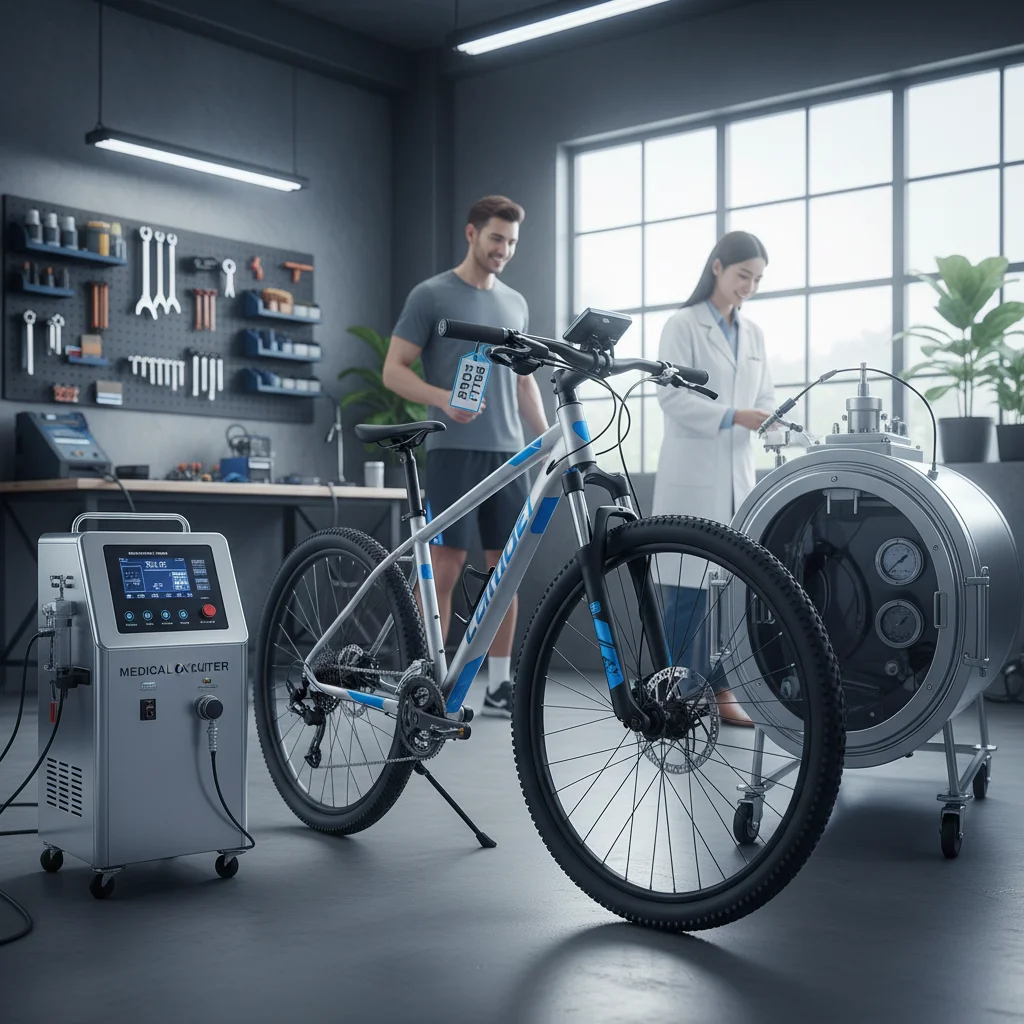

Finding the right city bike for sale often involves navigating a complex trade-off between urban utility, long-term durability, and ergonomic comfort. For procurement managers and urban commuters alike, the challenge lies in identifying a vehicle that survives the rigors of daily metropolitan use without sacrificing efficiency.
Modern urban mobility demands more than just a frame and two wheels; it requires a cohesive system of high-performance components—from reinforced aluminum frames to precision-engineered chain drives—that can withstand varying weather conditions and high-frequency stop-and-go traffic.
Whether you are sourcing for a fleet or seeking a personal commuter, understanding the technical specifications of city-centric bicycles is essential to ensure a return on investment through reduced maintenance and increased rider safety.

Defining the Urban Utility Standard for City Bicycles

A true city bicycle is defined not by its speed, but by its resilience and adaptability to the urban grid. Unlike racing or mountain bikes, the urban utility standard prioritizes an upright riding position, integrated cargo solutions like iron baskets, and low-maintenance drivetrain components that can handle grit and rain.
The architecture of these bicycles must balance weight and strength. Aluminum frames have become the industry benchmark, providing the necessary rigidity to handle curbs and potholes while remaining light enough for users who may need to carry their bikes up stairs or into office spaces.
Furthermore, the integration of safety features—such as rear-mounted reflectors and high-visibility lighting—transforms a simple bicycle into a viable transportation tool, ensuring that riders remain visible in the high-density traffic typical of global megacities.
Core Technical Specifications for High-Traffic Urban Use
To ensure longevity, the drivetrain of a city bike must be engineered for consistency. High-tensile steel chains, such as those with 114L links and a tensile strength of 860kgf, are critical for preventing snap-failures under the stress of frequent acceleration.
Complementing the chain is the chainwheel and crank set, where teeth counts between 44T and 52T are typically optimized for flat-terrain efficiency. When paired with a 5-speed or 7-speed index system, riders can maintain a steady cadence regardless of slight inclines or wind resistance.
Beyond the drive, braking systems using aluminum levers and reinforced cables provide the necessary modulation for emergency stops in pedestrian-heavy zones, while carbon fiber saddle shells offer the structural support needed for extended daily commutes without causing rider fatigue.
Practical Application Scenarios in Modern Metropolitan Environments
City bicycles serve diverse roles depending on the user's specific urban needs. For the "Last Mile" commuter, a bike with a lightweight alloy rim and a quick-release axle is ideal for integrating with public transit systems, allowing for fast transitions from train to pavement.
In the context of urban delivery or grocery runs, the addition of heavy-duty iron baskets and reinforced mudguards becomes essential. These accessories protect the rider from road spray and provide the necessary capacity for transporting goods without compromising the bike's center of gravity.
Corporate fleet deployments also utilize these specifications to provide employee wellness programs, where the focus shifts to ease of use—features like side stands, bike bells, and rubber handle grips ensure that the bikes are accessible to riders of all skill levels.
Analyzing Component Durability and Performance Benchmarks
Quantifying the performance of urban bicycles requires looking at the wear-and-tear rates of critical contact points. Components like the bottom bracket (BB) axle and the chain are the first to show fatigue in high-mileage scenarios.
By comparing standard generic parts with reinforced industrial-grade components, we see a significant delta in operational uptime and a reduction in the frequency of part replacement.
city bike for sale Performance Metrics
The data indicates that utilizing high-tensile steel for chains and aluminum alloys for forks and rims significantly enhances the bike's ability to maintain structural integrity over 10,000+ kilometers of urban cycling.
Strategic Procurement and Quality Assessment Guidelines
When evaluating a supplier for bulk city bike procurement, the focus must shift from aesthetic appeal to certification and manufacturing capacity. ISO9001 and CE certifications are non-negotiable indicators of consistent quality control and safety compliance.
Key assessment factors include the ability to provide OEM/ODM customization, which allows buyers to specify materials—such as shifting from steel to aluminum for specific components—to meet regional climate requirements (e.g., anti-corrosion coatings for coastal cities).
Additionally, verify the supplier's logistics capabilities. Direct import/export rights and the ability to provide preferential certificates of origin (Form E, Form F) can significantly reduce customs friction and overall landing costs.
Future Trajectories in Sustainable Urban Cycling Materials
The evolution of the city bike is currently leaning toward "smart" integration and hyper-lightweight materials. We are likely to see an increase in the adoption of carbon-reinforced polymers not just for saddles, but for full frame architectures to reduce the energy expenditure of the rider.
Solar-powered lighting systems are also emerging as a viable alternative to traditional battery-operated reflectors, potentially reducing the maintenance burden for large-scale bike-sharing fleets.
As urban infrastructure continues to prioritize cycling lanes, the demand for "hybrid-city" models—which combine the comfort of a cruiser with the efficiency of a road bike—is expected to grow, driving innovation in gear-shifting mechanisms and ergonomic handle grip designs.
Decision Matrix for Selecting the Ideal City Bike Model
Selecting the right model requires matching the technical specifications to the intended environment. A bike designed for a flat, dry city will fail prematurely in a hilly, rainy metropolis if the components are not matched to the stress factors.
The following matrix provides a comparative overview of different city bike configurations based on primary use cases and the required technical priorities.
| User Profile | Frame Priority | Drivetrain Need | Key Accessory |
|---|---|---|---|
| Daily Commuter | Aluminum Alloy | 7-Speed Index | Mudguards |
| Urban Courier | Reinforced Steel | High-Tensile Chain | Iron Basket |
| Transit Linker | Ultra-Light Alloy | Single Speed | Quick-Release Axle |
| Corporate Fleet | Standard Alloy | Internal Hub | Bike Bell/Lock |
| Wellness Rider | Ergonomic Alloy | Low-Gear Ratio | Carbon Fiber Saddle |
| Student/Youth | Durable Steel | Simple Chaindrive | Reflector Set |
By utilizing this matrix, procurement officers can specify the exact component mix required—such as combining an aluminum frame with a 114L steel chain—to maximize the lifespan of the fleet while staying within budget.
Frequently Asked Questions
Conclusion
The search for a quality city bike for sale is ultimately a search for reliability. By prioritizing technical specifications—such as aluminum frames, high-tensile steel chains, and certified manufacturing processes—buyers can ensure their investment withstands the unique pressures of the urban environment.
For those evaluating large-scale procurement or specialized component needs, the detailed product catalogs and company capabilities available through www.ikia-tanda.com provide a comprehensive resource for building a durable, efficient urban cycling solution.