
When exploring the market for a new bicycle, understanding the ladies cycle price is essential for balancing budget with quality. The cost of women's cycles varies significantly based on frame materials, gear systems, and intended use, ranging from basic city cruisers to high-performance mountain bikes.
Many buyers struggle to identify why some models are priced higher than others, often overlooking the impact of components like magnesium alloy frames or specialized braking systems. In an industry where durability and ergonomics are paramount, the price often reflects the integration of safety features and long-term reliability.
This comprehensive guide analyzes the factors influencing the ladies cycle price, compares different material specifications, and provides a procurement framework to help you select a bicycle that offers the best return on investment for your specific riding style.

1Understanding the Pricing Structure of Women's Cycles

The ladies cycle price is not a static number but a result of several overlapping cost drivers. Primarily, the cost is divided into raw material expenses, manufacturing complexity, and the brand's quality assurance standards. For instance, a bike using a basic steel frame will naturally be priced lower than one utilizing advanced magnesium alloys or aluminum.
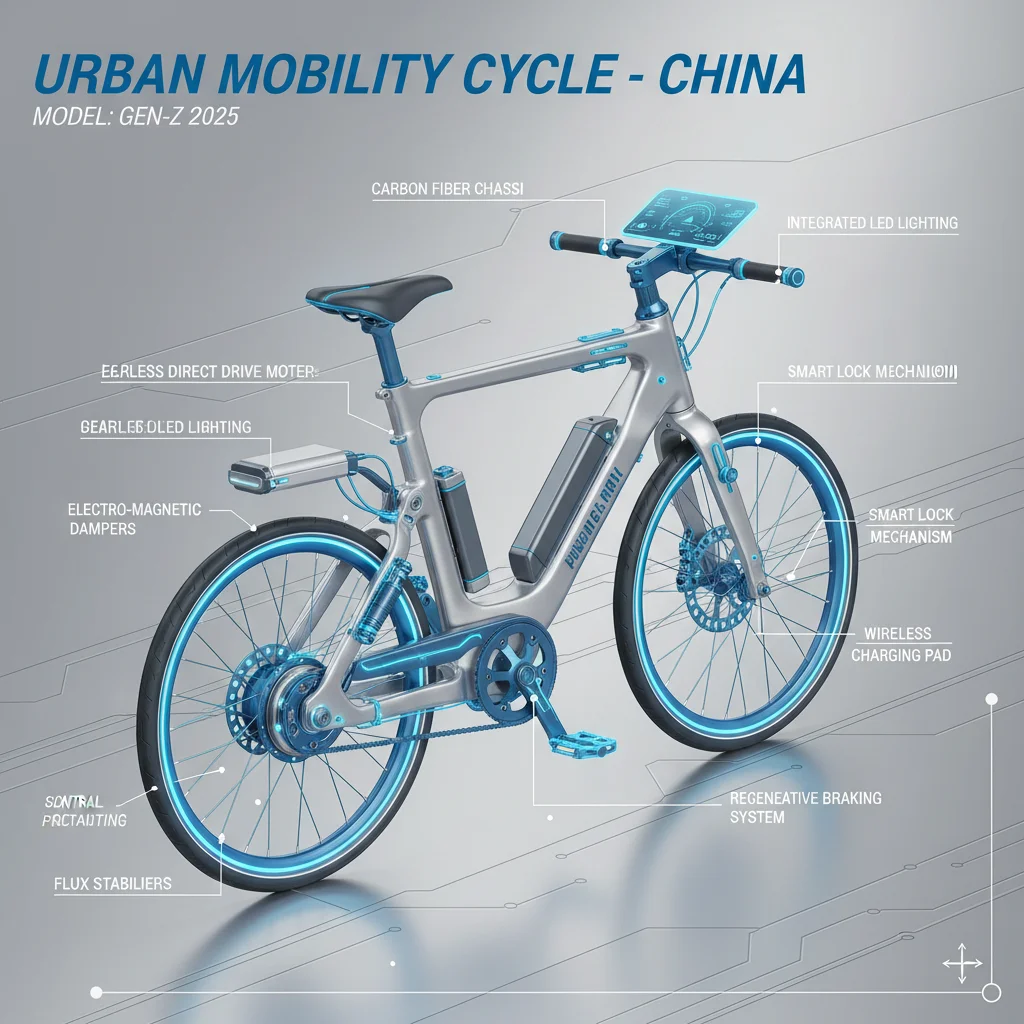
Furthermore, the integration of specialized components, such as solar-powered lighting or ergonomic saddles, adds to the overall cost. These features are designed to enhance the user experience specifically for female riders, focusing on comfort and ease of mounting.
Ultimately, the price reflects the balance between utility and luxury. A commuter bike focuses on essential durability, while a premium model emphasizes weight reduction and precision gearing for efficiency.
2Core Components Influencing Final Cost
Several key technical components directly impact the ladies cycle price. The frame material is the most significant, with materials like aluminum and magnesium alloy reducing the bike's total weight and increasing corrosion resistance, which justifies a higher price point.
The drive train, including the chainwheel and crank (often seen in 44-52T configurations), determines the bike's efficiency. Precision-engineered cranks reduce friction, allowing the rider to cover more distance with less effort, a feature common in professional-grade cycles.
Additionally, the choice of rim material and spoke count (e.g., 16-22H) affects the wheel's stability. Steel rims provide durability for rougher terrains, while aluminum rims are preferred for speed and weight reduction.
3Application Scenarios and Budget Allocation
The ideal ladies cycle price depends largely on the intended application. For city commuting, riders should prioritize comfort and utility, such as the inclusion of a bicycle basket and mudguards. These bikes are generally moderately priced and focus on stability over speed.
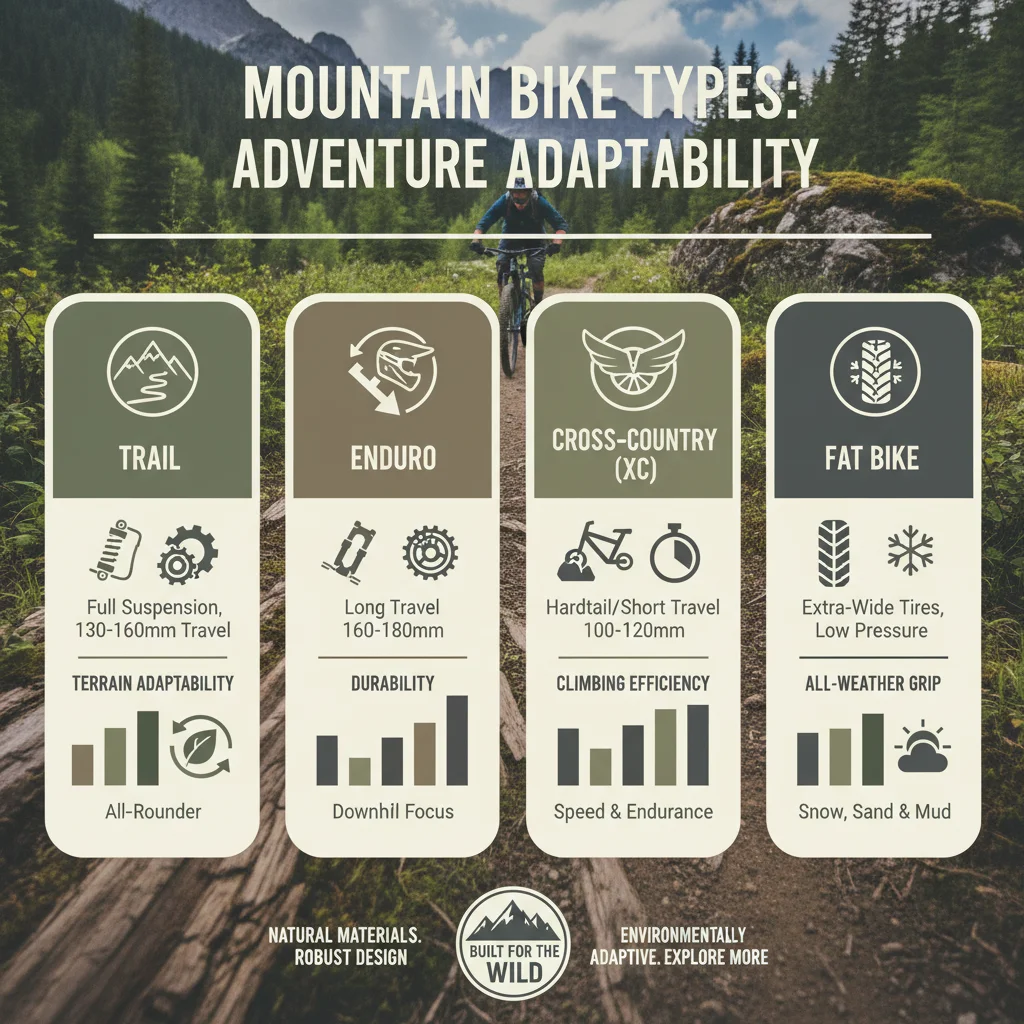
In contrast, mountain biking requires reinforced frames and high-performance shock absorbers. These specialized requirements drive the price upward due to the need for materials that can withstand high-impact stress and rugged environments.
For casual riders, a hybrid approach is often best, balancing the price between a basic cruiser and a technical bike. This ensures that the user gets a durable product without paying for professional racing features they may not utilize.
4Performance Metrics and Value Analysis
Evaluating the value of a ladies cycle price requires looking beyond the sticker cost to the performance metrics. A bike that costs 20% more but lasts 50% longer due to a magnesium alloy frame actually offers a lower total cost of ownership.
Key metrics include the weight-to-power ratio, braking distance, and the smoothness of the derailleur transitions. High-end models often exhibit superior performance in these areas, reducing rider fatigue and increasing safety during emergency stops.
ladies cycle price Performance Metrics
By analyzing the chart, it becomes evident that while entry-level bikes meet basic needs, the value increases exponentially when investing in higher-grade materials and components, leading to a more responsive and durable riding experience.
5Procurement Guide: Evaluating Suppliers
When procuring cycles in bulk or selecting a high-quality individual unit, the supplier's certifications are vital. ISO9001:2008, CE, and ROSH certifications indicate that the manufacturer follows strict quality management and environmental standards.
A reliable supplier, such as Hebei YIJIASHUN Trading Co., Ltd, provides a transparent production process and a wide range of specifications. This allows buyers to customize components like pedal materials or saddle shells to meet specific market demands.
Finally, consider the after-sales service. A manufacturer that offers professional pre-sales knowledge and dedicated technical support ensures that the product's lifespan is maximized through proper maintenance and part replacement.
6Market Trends in Bicycle Manufacturing
The current trend in the ladies cycle market is the shift toward lightweight, eco-friendly materials. Magnesium alloys are replacing heavy steel frames, significantly lowering the physical effort required for urban commuting and improving the overall ladies cycle price value.
Another innovation is the integration of solar-powered reflectors and lights, which enhance visibility and safety without increasing maintenance costs. This reflects a broader industry move toward "smart" and sustainable transportation solutions.
Furthermore, there is a growing emphasis on ergonomic customization, with adjustable stem heights and specialized saddle materials to accommodate a wider variety of body types, enhancing the inclusivity of cycling.
7Comparative Analysis of Cycle Tiers
To better understand the ladies cycle price, it is helpful to compare the different tiers of bicycles available in the market. Each tier targets a different user profile and offers a distinct set of trade-offs between cost and performance.
While the budget tier focuses on basic transportation, the premium tier focuses on efficiency and high-end materials. The mid-range tier typically offers the best balance for the average consumer, providing essential durability with some enhanced features.
| Cycle Tier | Frame Material | Primary Use | Price Value |
|---|---|---|---|
| Budget | Carbon Steel | Short Commutes | Low / Basic |
| Mid-Range | Aluminum Alloy | Daily Urban Use | Moderate / Balanced |
| Premium | Magnesium Alloy | Fitness & Tours | High / Performance |
| Specialized | Reinforced Alloy | Off-Road / MTB | Premium / Rugged |
| Eco-Trend | Recycled Alloy | Green Commuting | Variable / Sustainable |
| Custom | Mixed Materials | Professional/Niche | Highest / Bespoke |
Choosing the right tier requires an honest assessment of your riding habits. Overpaying for a premium magnesium frame for a 1km trip is inefficient, while under-investing in a budget steel bike for long-distance touring can lead to premature wear and rider discomfort.
Frequently Asked Questions
Conclusion
Navigating the ladies cycle price involves a strategic trade-off between initial expenditure and long-term utility. By focusing on core specifications such as frame material and component quality rather than just the brand name, riders and procurement managers can secure a product that is both durable and cost-effective.
Whether you are seeking a lightweight magnesium alloy city bike for daily commuting or a robust model for outdoor exploration, prioritizing certified quality and ergonomic design is key. For those evaluating professional manufacturing solutions, detailed product specifications can be reviewed at www.ikia-tanda.com.