Bicycle Brake

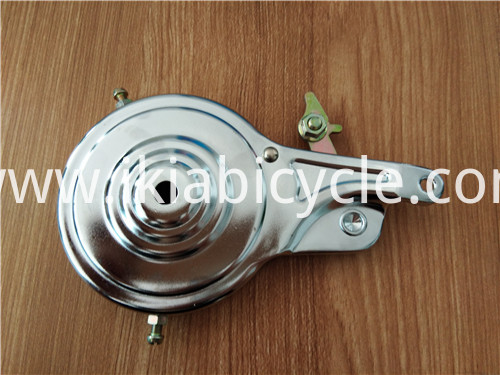
Bicycle brakes are essential safety components that control speed and stop the bike efficiently. There are several types of brakes on bicycles, each designed for specific riding styles and terrain. Common types include rim brakes, disc brakes, drum brakes, coaster brakes, and hydraulic brakes. Rim brakes are lightweight and easy to maintain, making them popular on road bikes. Disc brakes, both mechanical and hydraulic, offer superior stopping power, especially in wet or muddy conditions, and are widely used on mountain and all-terrain bikes. Coaster brakes, often found on children’s bikes or cruisers, engage by pedaling backward. Drum brakes are low-maintenance and durable, suitable for city bikes. Understanding the types of braking systems in bikes helps riders choose the right setup for performance and safety. High-quality bicycle brake parts improve braking efficiency, reduce wear, and enhance overall control. For wholesalers and retailers, offering a variety of bike brakes ensures compatibility with different bike models and meets growing market demand.

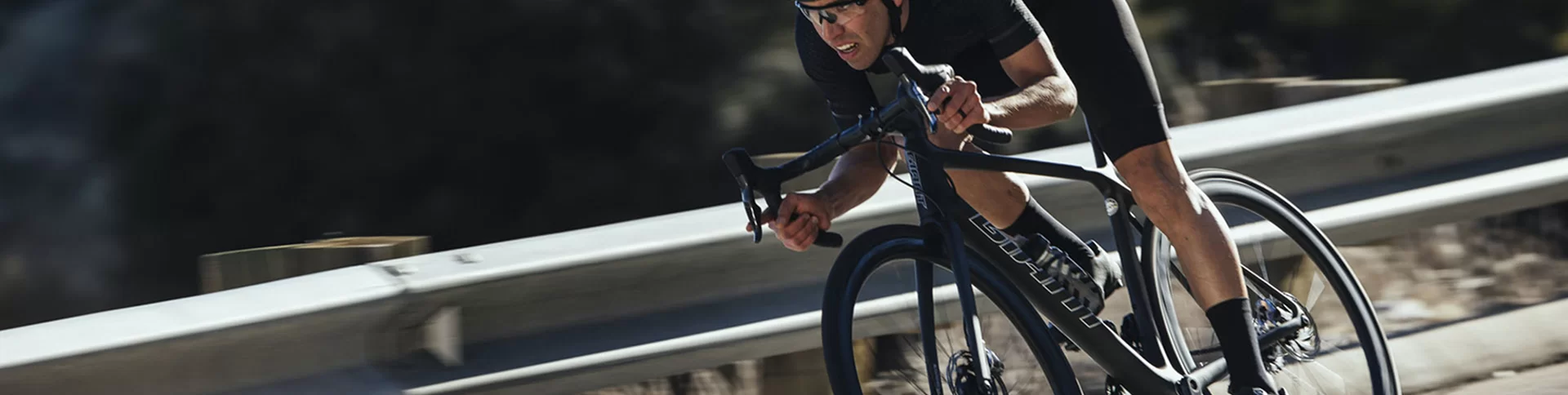
Bike brakes are critical for rider safety and performance. Road bike brakes, for instance, are usually rim brakes or hydraulic disc brakes, designed for precision, lightweight construction, and consistent stopping power on paved surfaces. Mountain bikes, however, often rely on disc brakes for maximum control on rough terrain.

Bicycle brake parts, including calipers, pads, levers, and rotors, play a vital role in the effectiveness of the braking system. High-quality components reduce stopping distances, prevent brake fade, and ensure smooth modulation. Regular maintenance of bike brakes is essential to avoid accidents and maintain performance.

With advancements in materials and technology, modern bike brakes offer stronger braking power, lower weight, and better weather resistance. For riders seeking comfort, safety, and reliability, choosing the right type of brakes and well-made bicycle brake parts is crucial. Retailers and suppliers benefit from offering diverse brake options to cater to road, mountain, and urban cycling markets.


bicycle parts distributors

Understanding The Different Types Of Braking Systems In Bikes

Brakes are one of the most important safety features on a bicycle. Knowing the different types of braking systems in bikes helps riders choose the right setup for performance, terrain, and riding style. Rim brakes, including caliper and cantilever types, are lightweight and ideal for road cycling. They function by pressing brake pads directly onto the wheel rim, offering effective stopping on dry surfaces. Disc brakes, either mechanical or hydraulic, are more robust and provide strong, consistent braking in all conditions, making them perfect for mountain biking or wet weather. Coaster brakes are commonly used in kids’ bikes or cruisers. They engage when the rider pedals backward, offering simplicity and low maintenance. Drum brakes, sealed within a hub, are durable and resistant to wear, making them popular in city or commuter bikes. Bicycle brake parts, such as levers, pads, calipers, and rotors, are vital to ensure smooth braking performance. Upgrading to high-quality components can improve modulation, reduce stopping distance, and enhance overall safety. Proper maintenance is also critical—cleaning, adjustment, and timely replacement of worn parts prevent accidents and maintain efficiency. For retailers and wholesalers, providing a variety of bike brakes and spare parts ensures riders can find the right system for road, mountain, or urban bikes. Whether for casual riders or competitive cyclists, understanding braking systems is essential for both safety and performance.

Bicycle Brake FAQs

RECOMMENDED NEWS
High Quality Cheap Ladies Bikes with Magnesium Alloy Frames

Finding a balance between affordability and structural integrity is the primary challenge for distributors sourcing urban transportation solutions. For those seeking high-value options, specifically cheap ladies bikes, the focus often shifts toward lightweight materials and practical utility. The IKIA-ST-B37 model exemplifies this synergy, combining a magnesium alloy frame with essential city features like integrated baskets and disc brakes. Whether destined for the commuting markets of Southeast Asia or the leisure cycles of South America, these bicycles are engineered to provide a reliable entry point for riders without compromising on safety certifications or build quality.


How to Choose a Reliable Folding Bicycle Manufacturer

Selecting a reliable folding bicycle manufacturer requires a deep understanding of the balance between portability, structural integrity, and mass-production scalability. For B2B buyers, the goal is to secure a partner capable of delivering consistent quality across thousands of units while meeting specific regional safety standards. This guide analyzes the technical and commercial requirements essential for sourcing high-performance foldable bicycles. The global demand for urban micro-mobility has shifted the focus toward aluminum alloy frames and precision-engineered hinges. In a competitive B2B landscape, the difference between a premium product and a budget offering lies in the tolerance of the folding joints

CONTACT US
Ride further, faster, and smarter – with bikes and parts built for every adventure.From everyday rides to epic journeys, we’ve got the bike and gear you can trust.

If you are interested in our products, you can choose to leave your information here, and we will be in touch with you shortly.

  • captcha