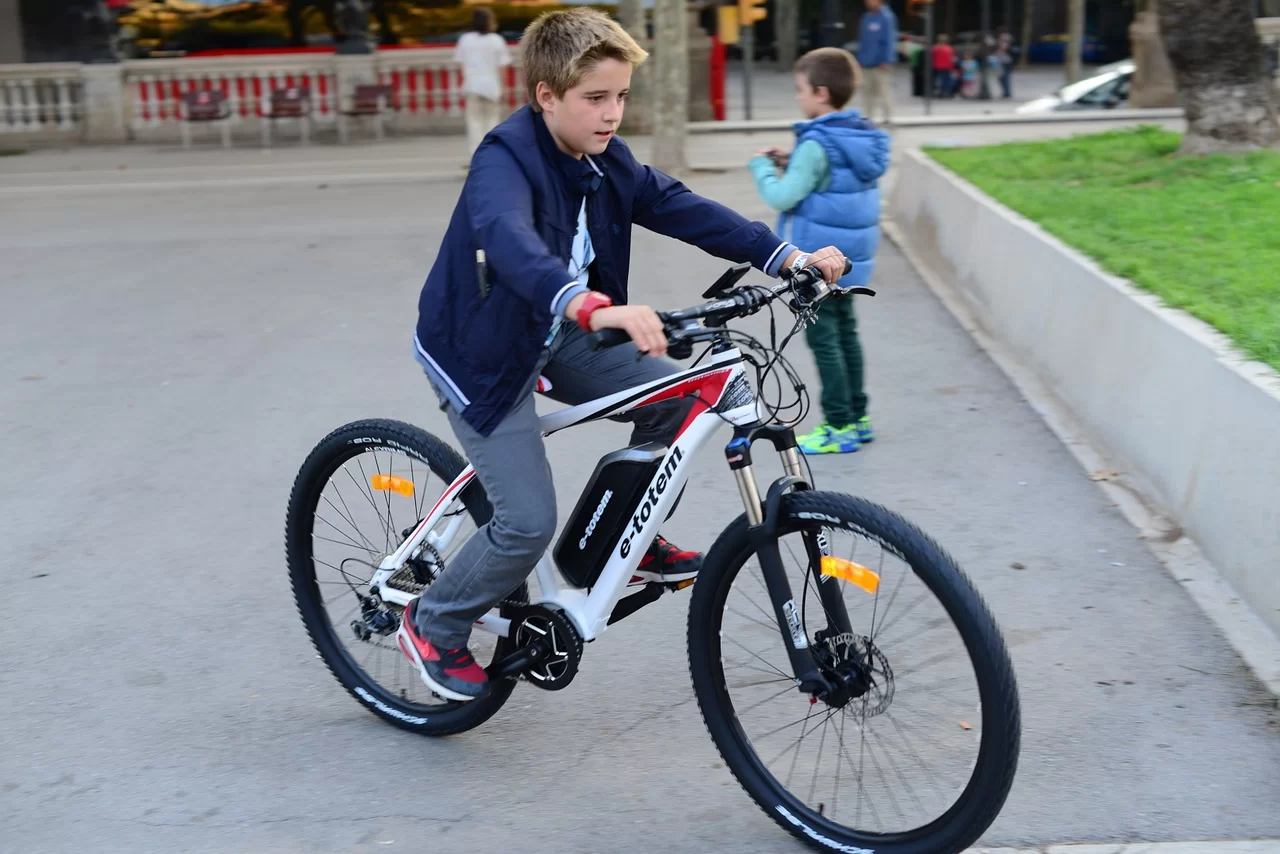
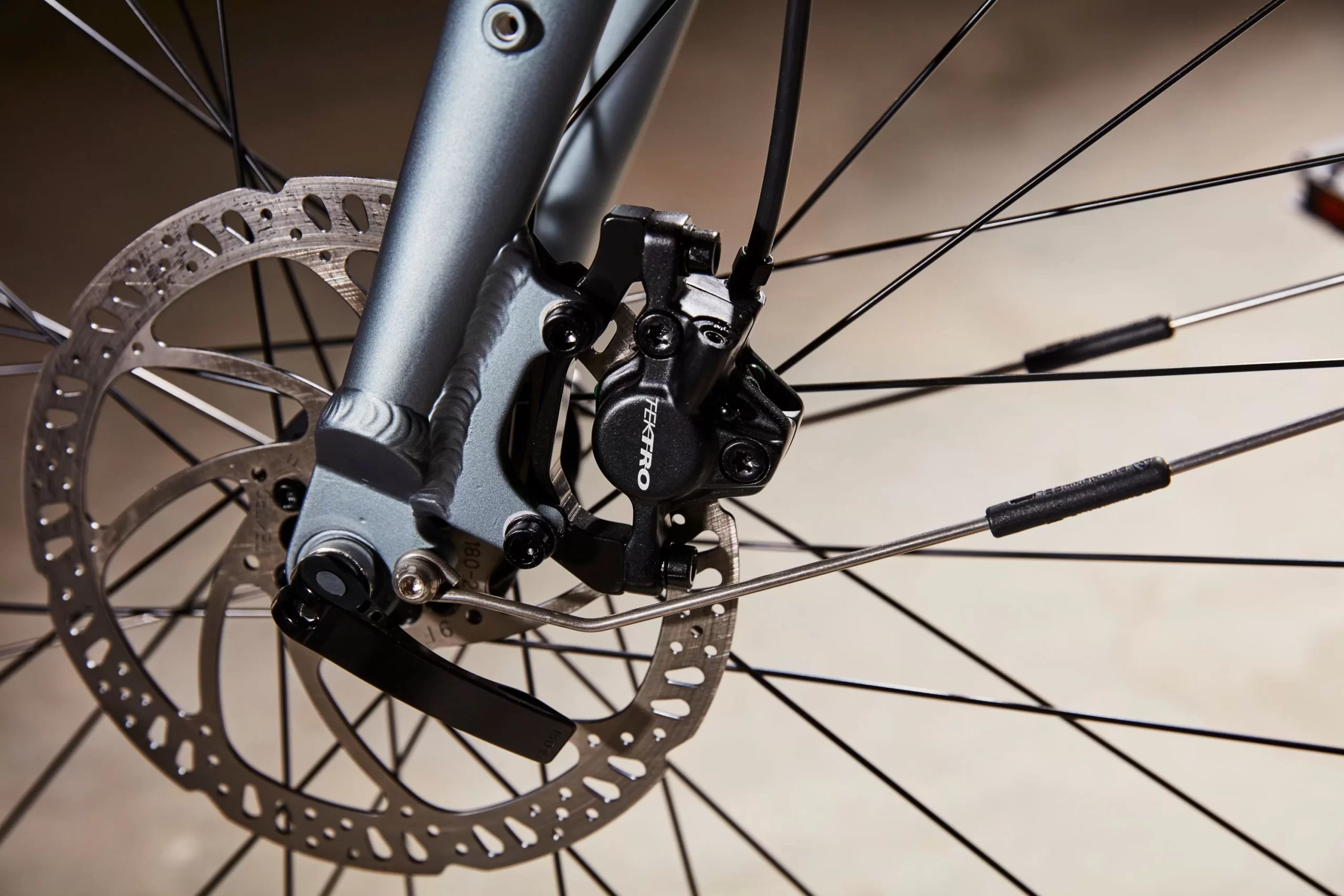
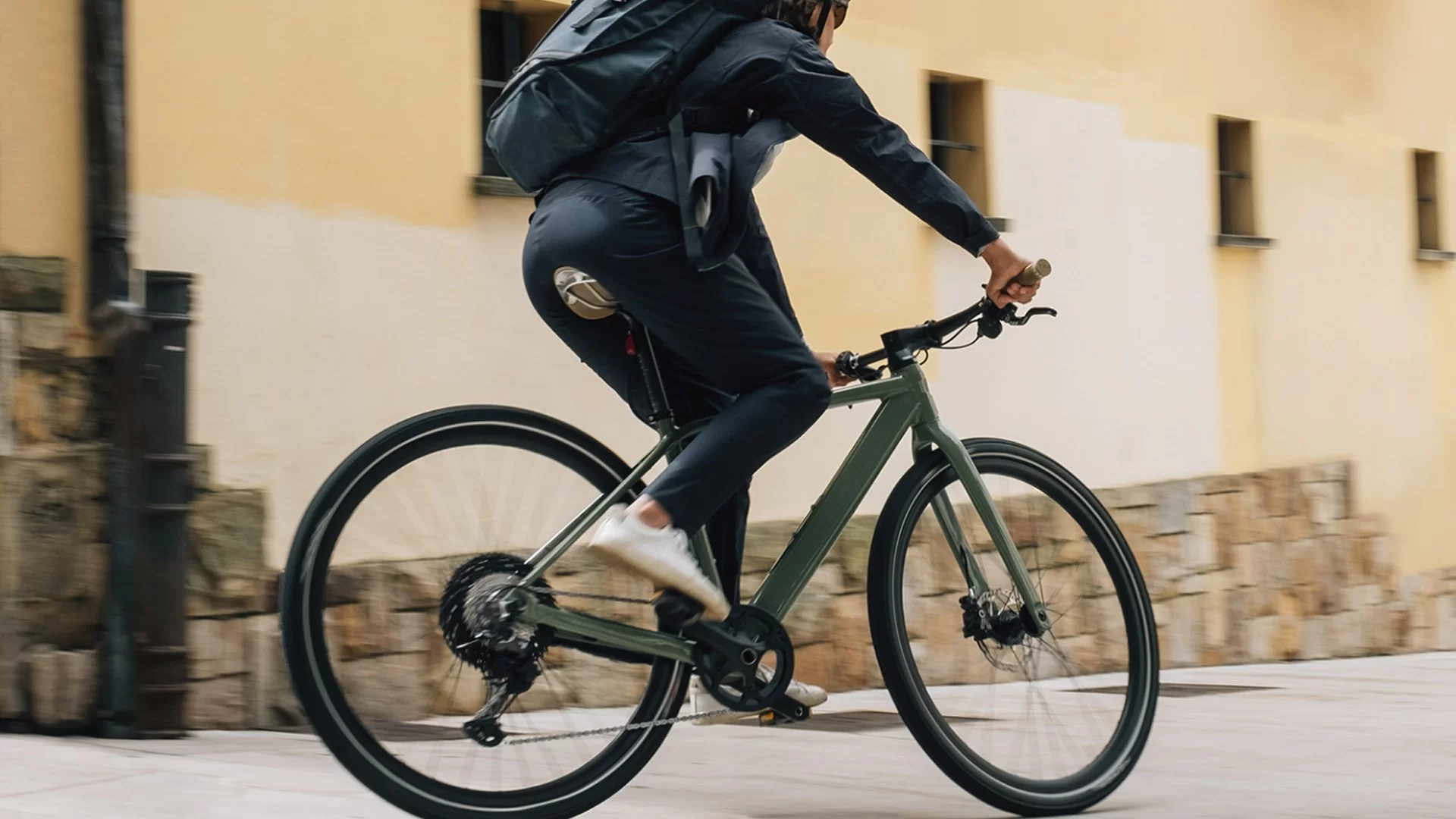
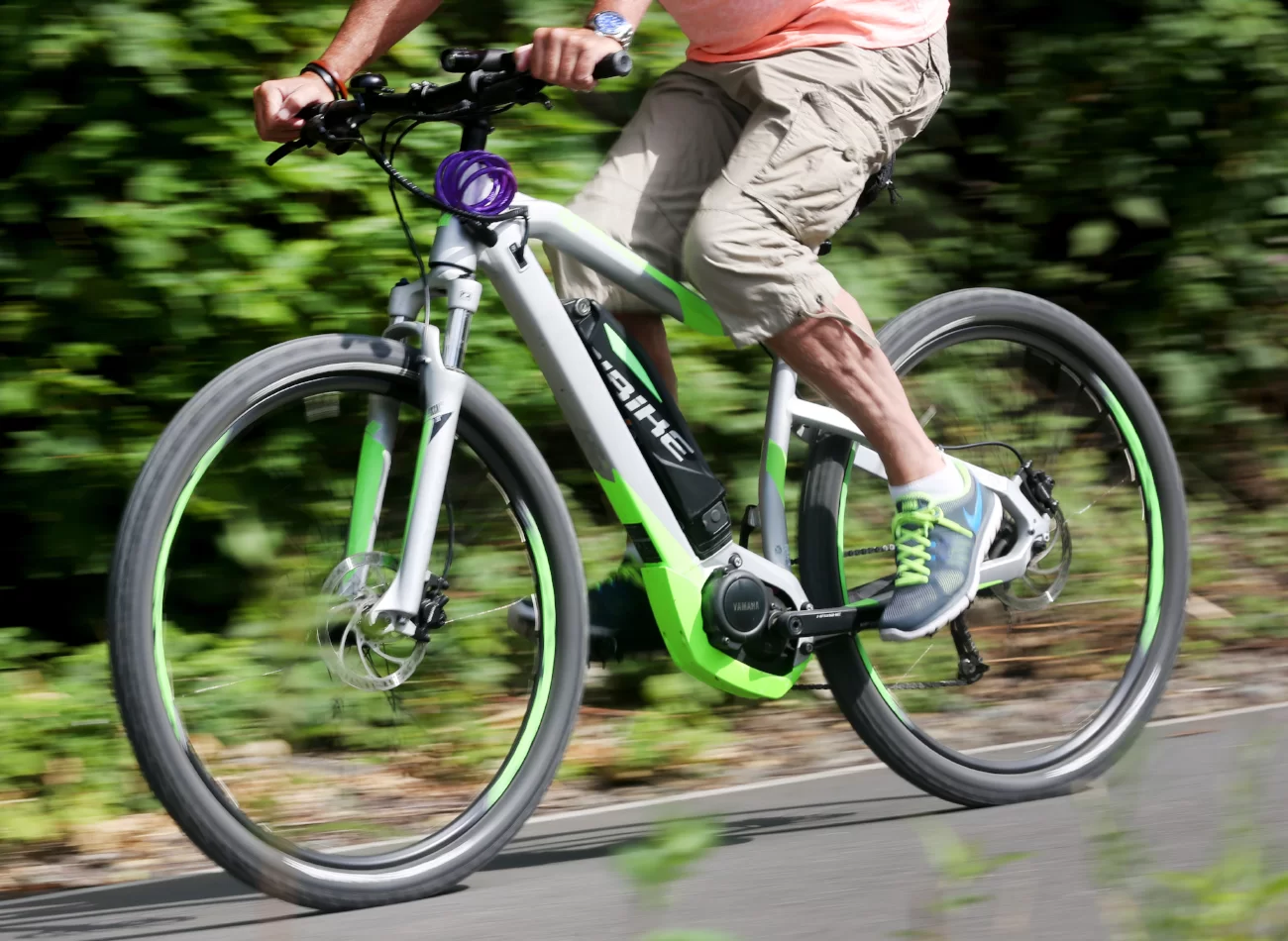
Precision Engineering for Bicycle Brake Types Total Control Leading the evolution of braking systems with aerospace-grade materials and precision manufacturing for professional cyclists and OEM manufacturers. 500,000 Annual Output 120 Countries Served 7 Days Sample Lead Time 99.8 On-Time Delivery Advanced Braking Solutions for Every Terrain As a global leader in transportation equipment manufacturing, we specialize in various bicycle brake types , ensuring that safety and performance are never compromised. Our production lines integrate robotic CNC machining and high-temperature alloy treatments to deliver braking systems that excel in extreme conditions.