Selecting the right inventory for urban mobility requires a shift in focus from mere volume to specific utility and durability. For distributors and retailers, the challenge lies in identifying products that withstand high-frequency use while meeting the diverse aesthetic and functional demands of modern city dwellers.
The global movement toward sustainable transportation has transformed the procurement landscape, moving away from generic cycles toward specialized urban designs. This shift is driven by a need for low-maintenance components, ergonomic frames, and integrated accessories that facilitate seamless commuting in densely populated environments.
Understanding the logistical and technical nuances of city bike wholesale is essential for maintaining a competitive edge. By analyzing the intersection of material science and urban user behavior, businesses can optimize their supply chains to offer high-conversion products.

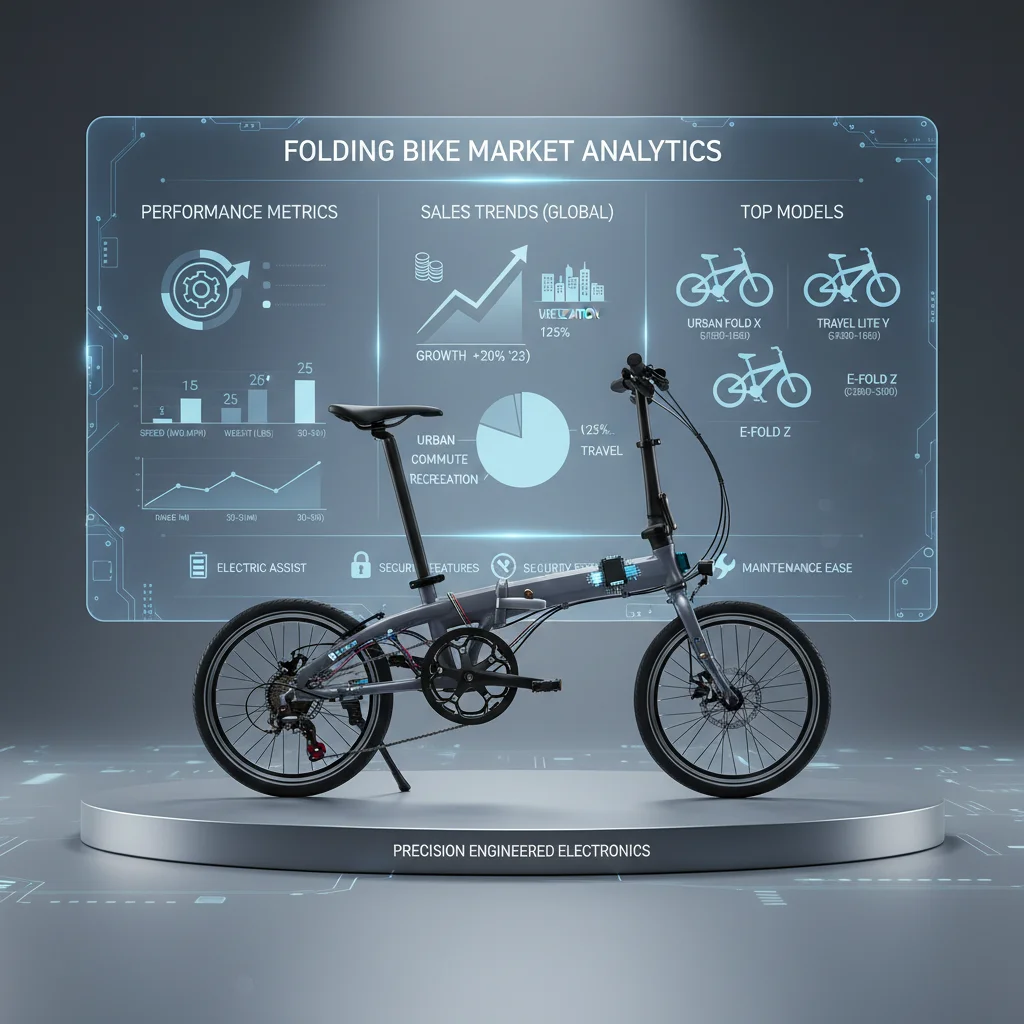
An overview of urban mobility distribution networks focusing on high-durability bicycle frames and components.
◆ ◆ ◆
◆ ◆ ◆
The Evolution of Urban Mobility Procurement

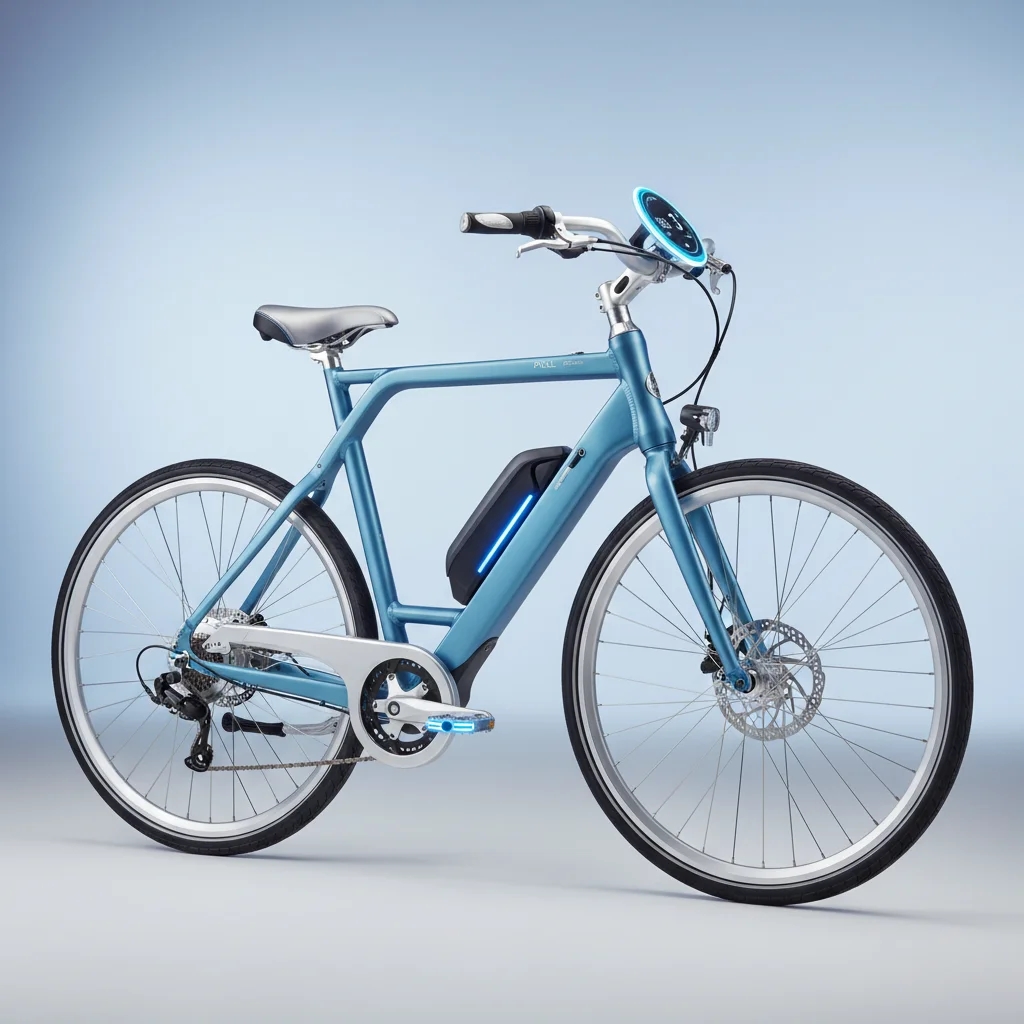
Detailed view of reinforced bicycle components designed for heavy-duty city commuting.
Urban cycling has transitioned from a leisure activity to a primary transport mode. This has forced wholesale models to pivot from seasonal, trend-based ordering to year-round, utility-focused procurement. The focus is now on "uptime"—the ability of a bike to remain operational with minimal intervention.
Modern procurement now emphasizes the integration of modular parts. By sourcing standardized components like BB shells and axles from specialized manufacturers such as those in the Hebei industrial cluster, wholesalers can ensure a consistent repair cycle for their end-users, reducing the long-term cost of ownership.
—
Critical Engineering Factors in City Cycles
The durability of a city bike is determined by its weakest link. In urban environments, the stress on the frame and drivetrain is constant due to stop-and-go traffic and varying road surfaces. High-strength aluminum alloys have become the standard for frames and forks, providing a critical balance between weight reduction and structural integrity.
Beyond the frame, the selection of peripherals—such as mudguards, chain covers, and brake levers—directly impacts the commercial viability of a wholesale lot. For instance, a mudguard that is easily replaceable or highly durable prevents the entire unit from appearing weathered, maintaining its retail value over time.
Precision in the bottom bracket (BB) and axle assembly is where professional manufacturing separates itself from generic production. Using ISO-certified processes ensures that components like the BB axle and shell fit with tight tolerances, which minimizes mechanical noise and extends the lifespan of the drivetrain.
—
Supply Chain Optimization Strategies
Shipping costs often represent the largest overhead in international bicycle procurement. To mitigate this, professional wholesalers are moving toward Semi-Knocked Down (SKD) and Completely Knocked Down (CKD) shipping models. This approach maximizes container volume and reduces the risk of transit damage.
Efficiency in urban bike distribution is achieved by decoupling the manufacturing of core structural components from the assembly of high-wear accessories, allowing for flexible inventory updates without replacing entire bike stocks.
Integrating preferential certificates of origin, such as Form E or Form F, further optimizes the cost structure by reducing tariff burdens. This level of export expertise is crucial for distributors operating in South-east Asia and the Middle East, where regulatory compliance can significantly impact the final retail price.
—
Assessing Component Reliability Indices
When evaluating a wholesale partner, it is necessary to look beyond the price per unit. A reliability index based on material grade, certification (such as ISO9001), and production capacity provides a clearer picture of long-term stability. For example, a facility capable of producing 300,000 bikes annually typically possesses a more rigorous QC system than a smaller workshop.
The following index illustrates the relative importance of different factors when selecting components for high-traffic urban use. Reliability in the drivetrain and frame is weighted more heavily than aesthetic accessories, as these components dictate the fundamental safety and longevity of the vehicle.
Figure 2. Component Selection Priority Index
—
Retailer Pain Points in Inventory Management
One of the primary challenges for urban bike retailers is the "after-sales drag"—the time and cost associated with replacing faulty components. When a wholesaler provides poor-quality BB axles or brake cables, the retailer bears the labor cost of the repair. This makes the initial procurement cost less important than the total cost of quality (TCQ).
Furthermore, the demand for customization is rising. Retailers no longer want generic stock; they require OEM capabilities where logos and specific color schemes can be integrated without increasing the lead time. A manufacturer that offers both high-volume output and flexible OEM/ODM options allows retailers to build their own brand equity.
—
Future Directions in Wholesale Distribution
The convergence of traditional cycling and electronic ride-ons is creating a new hybrid market. We are seeing a surge in demand for "early-stage mobility," such as high-grade electric baby motorcycles and tricycles. These products use similar material foundations—aluminum alloy frames and reinforced components—but add a layer of interactive technology and safety remote controls.
The IKIA series exemplifies this trend, combining the structural durability of a traditional bike with educational modules and electronic safety features. For a wholesaler, diversifying into these high-margin "smart" ride-ons can balance the lower margins of standard city bike parts.
Sustainability will drive the next wave of innovation. This includes the use of recycled alloys and the development of "circular" component systems where parts are designed for easy disassembly and recycling at the end of their service life.
—
Comparative Framework for Vendor Selection
Choosing a wholesale partner requires a structured evaluation of their industrial capacity. A vendor that manages its own production of chainwheels, cranks, and pumps has a significantly more stable supply chain than a trading company that outsources every component. Vertical integration reduces the risk of quality variance across different batches.
Logistical competence is equally vital. The ability to provide preferential tariff certificates and a choice between SKD 85% and CKD 100% packaging demonstrates a partner's understanding of international trade friction. This operational maturity translates directly into higher profit margins for the importer.
The following table provides a comparative analysis of standard market offerings versus premium industrial solutions, highlighting the trade-offs between cost and long-term value.
Table 1. Standard vs. Premium Wholesale Procurement Framework
| Evaluation Factor |
Standard Ride-ons |
Premium Industrial Series |
Impact on Retailer |
| Frame Material |
Basic Steel/Plastic |
High-Strength Aluminum |
Longevity & Weight |
| Customization |
Limited Colors |
Full OEM/ODM |
Brand Differentiation |
| Shipping Format |
Fixed Packaging |
Flexible SKD/CKD |
Freight Cost Reduction |
| QC Standards |
Batch Sampling |
ISO Certified / Full QC |
Lower Return Rates |
| Component Synergy |
Mixed Sources |
Integrated Production |
Mechanical Consistency |
| Support System |
Basic Transactional |
Technical Pre/Post-sales |
Faster Troubleshooting |
◆ ◆ ◆
Questions & Answers
Completely Knocked Down (CKD) packaging involves shipping bikes in their most basic component form. This minimizes the empty space within shipping containers, allowing a significantly higher number of units per shipment. By increasing the density of the load, the per-unit sea freight cost is drastically reduced, and the risk of frame bending or accessory damage during transit is minimized since components are packed securely in specialized slots.
Aluminum alloy offers a superior strength-to-weight ratio, making city bikes easier to maneuver and store in urban apartments. More importantly, aluminum is naturally more resistant to corrosion and rust than basic steel, which is critical for bikes exposed to rain and road salt. While steel can be cheaper, the reduced maintenance and longer lifespan of aluminum frames provide better value for the end-user and lower warranty claims for the retailer.
ISO 9001 is the baseline for quality management, ensuring that the manufacturer has consistent processes in place. CE and RoHS certifications are essential for electronic components (like those in electric ride-ons) to ensure safety and environmental compliance. Additionally, SGS reports provide third-party verification of material claims. A manufacturer that can supply preferential certificates of origin (Form A, E, F) also demonstrates high export maturity.
Yes, professional OEM/ODM services allow you to specify custom logos, color palettes, and even specific functional modules. For example, with the IKIA series, you can align the design with your own brand identity. The key is to provide a clear design specification and logo file to the manufacturer's technical team, who will then provide a prototype and a quote based on the minimum order quantity (MOQ).
Lead times vary based on customization levels. Standard stock items can often be shipped rapidly. However, full OEM orders typically require time for tooling and quality testing. By partnering with manufacturers that have optimized supply chain management and high production capacities (e.g., 10,000 sets per month for specific lines), you can significantly shorten the delivery window and ensure a steadier flow of inventory.
Evaluation should focus on tolerance and material hardness. A high-quality BB shell and axle will have a precise fit that prevents "play" or wobbling during pedaling. You can test this by checking the smoothness of the rotation and the lack of axial movement. Using specialized QC equipment during the manufacturing process ensures that these components remain aligned under heavy load, which is the primary indicator of a professional-grade drivetrain.
◆ ◆ ◆
Final Thoughts
Success in the urban mobility market is no longer about finding the cheapest source, but about identifying the most reliable industrial partner. By prioritizing structural integrity, logistical efficiency through SKD/CKD models, and a diversified product range—from traditional city bikes to electronic ride-ons—distributors can insulate themselves from market volatility and reduce after-sales costs.
Ultimately, the transition toward high-strength materials and certified manufacturing processes ensures that urban transport remains sustainable and safe. As the industry evolves, those who integrate technical expertise with flexible procurement strategies will be best positioned to capture the growing demand for urban mobility.