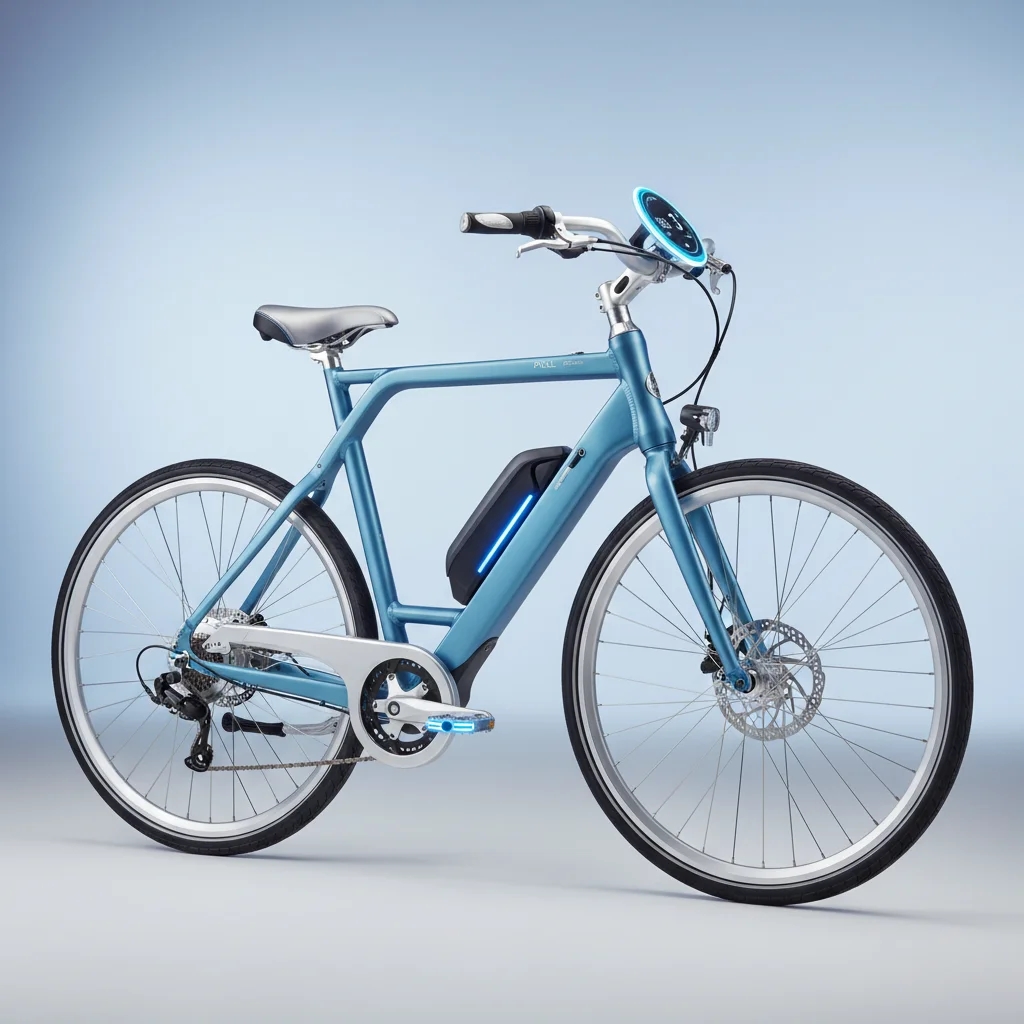
Selecting the right partner among bicycle fork manufacturers is a critical decision for any bicycle brand or assembly plant, as the fork serves as the primary interface between the rider, the steering system, and the road. The structural integrity of this component directly influences the safety and handling of the vehicle, making the choice of materials and manufacturing precision paramount.
In the global transport equipment market, the demand for specialized forks has surged due to the diversification of bicycle types, from rugged mountain bikes to agile city commuters. High-quality bicycle fork manufacturers must now balance the trade-off between lightweight performance, often achieved through aluminum alloys, and the legendary durability of steel frames.
Understanding the capabilities of top-tier manufacturers allows businesses to optimize their supply chains, ensuring that every unit meets international safety standards such as CE certification. By focusing on precision engineering and material science, leading producers provide the foundation upon which a reliable and comfortable cycling experience is built.

The Global Impact of Bicycle Fork Manufacturers
The role of bicycle fork manufacturers extends beyond simple fabrication; they are central to the global push for sustainable urban mobility. As cities worldwide implement ISO-standardized cycling infrastructure, the need for standardized, safe, and durable forks has increased, driving manufacturers to adopt more rigorous quality control systems to prevent structural failure.
By integrating advanced metallurgy and precise welding techniques, these manufacturers ensure that bikes can withstand various terrains while remaining accessible to the general public. This globalized production network allows for the mass distribution of components that power everything from budget-friendly city bikes to professional racing equipment.
Defining Quality in Fork Production
In the context of modern industry, bicycle fork manufacturers are defined by their ability to translate technical specifications into tangible safety. Quality is not merely about the strength of the metal, but about the precision of the geometry, ensuring that the rake and trail of the fork provide stable handling across different speeds and loads.
For humanitarian and urban needs, this means producing forks that are easy to maintain and resistant to corrosion. Manufacturers who utilize high-grade aluminum alloys can significantly reduce the overall weight of the bicycle, which is a critical factor for users in hilly regions or for those utilizing bikes as a primary means of transport in developing industrial zones.
Ultimately, the definition of a leading manufacturer lies in their commitment to certification and testing. Whether it is through CE certification or internal stress-testing equipment, the goal is to eliminate variability in production, ensuring that every fork exiting the warehouse performs identically to the prototype.
Core Components of High-Performance Forks
One of the most critical aspects for bicycle fork manufacturers is the selection of base materials. For instance, while steel offers immense durability and a dampened ride, aluminum alloy forks provide a superior strength-to-weight ratio, making them ideal for modern agile bicycles.
Durability is achieved through precise heat treatment and coating processes. Top bicycle fork manufacturers implement strict QC protocols to ensure that the fork blades can handle the torque of braking and the impact of road irregularities without developing fatigue cracks.
Compatibility is the final pillar of core design. Ensuring that the fork is compatible with various rim materials (such as steel) and brake components (such as caliper brakes) allows for a modular approach to bicycle assembly, enhancing the scalability of the final product.
Operational Efficiency and Scalability
For large-scale bicycle fork manufacturers, productivity is measured not just in units per month, but in the consistency of those units. With capacities reaching up to 20,000 pieces per month, the use of automated welding and CNC machining is essential to maintain tight tolerances across thousands of iterations.
Scalability also involves the ability to offer OEM and ODM services, allowing brand owners to customize fork geometry and aesthetics to fit specific market niches. This flexibility ensures that the manufacturing process can pivot from high-volume standard production to specialized, low-volume custom runs without sacrificing lead times.
Production Efficiency Rating by Manufacturing Method
Real-World Applications of Specialized Forks
In practical application, the outputs of bicycle fork manufacturers are seen across various cycling disciplines. For city bikes, the focus is on comfort and reliability, utilizing materials that resist the wear and tear of daily commuting and urban pollutants.
Conversely, in the realm of mountain bikes or racing bikes, the application shifts toward rigidity and vibration damping. Here, the fork must not only steer the bike but also absorb shocks to protect the rider and the frame, demonstrating the versatility required by manufacturers to serve different global market segments.
Long-Term Value of Material Innovation
The long-term value provided by experienced bicycle fork manufacturers lies in their ability to innovate. Moving from heavy steel to lightweight aluminum alloys reduces the carbon footprint of the vehicle and enhances the user's energy efficiency, contributing to a broader environmental goal of reducing urban car dependency.
Beyond the physical product, the value is found in the trust established through rigorous quality control. When a manufacturer guarantees a product's resistance to shock and water, they provide the end-user with peace of mind and dignity, knowing their primary mode of transport is safe and reliable.
Furthermore, the adoption of sustainable manufacturing processes—such as reducing scrap metal through precision casting—creates a circular economy within the transport equipment industry, ensuring that growth does not come at the expense of the planet.
Future Trends in Fork Manufacturing
The future of bicycle fork manufacturers is leaning heavily toward digital transformation and additive manufacturing. 3D printing of titanium or high-strength polymers allows for organic shapes that optimize stress distribution, potentially creating forks that are stronger yet lighter than any current alloy version.
Integration with "smart" technology is another emerging trend. We are seeing the development of forks with embedded sensors that can monitor road conditions or detect structural fatigue in real-time, alerting the rider before a failure occurs—a leap in safety driven by the convergence of IoT and traditional manufacturing.
Finally, a shift toward "green metallurgy" is expected, where manufacturers source recycled aluminum and steel to meet the stringent sustainability demands of European and North American markets.
Comparative Analysis of Fork Material Properties
| Material Type | Weight Efficiency | Impact Resistance | Cost-to-Value Ratio |
|---|
| Aluminum Alloy | High | Medium | Excellent |
| Chromoly Steel | Medium | High | Good |
| Carbon Fiber | Very High | Medium | Premium |
| Titanium Alloy | High | Very High | Specialized |
| Standard Steel | Low | Medium | Budget-Friendly |
| Magnesium Alloy | Very High | Low | Niche |
FAQS
The choice depends on your priority: aluminum is ideal for those seeking weight reduction and speed, while steel is preferred for long-term durability and a smoother ride on rough roads. Most bicycle fork manufacturers recommend aluminum for city and road bikes and steel for heavy-duty or touring bikes.
Look for CE certification, which ensures the product meets health, safety, and environmental protection standards for products sold within the European Economic Area. Additionally, ISO 9001 certification indicates that the manufacturer has a consistent quality management system in place.
Yes, many leading bicycle fork manufacturers offer ODM and OEM services. They can adjust geometry, materials, and branding to meet specific requirements, although minimum order quantities (MOQ) may apply depending on the complexity of the design.
For daily commuters, a visual inspection every six months is recommended. For high-intensity users (mountain biking/racing), a professional check-up every three months is advised. Look for hairline cracks near the crown or dropout areas, which are common stress points.
Aluminum alloy naturally forms a protective oxide layer, making it more resistant to rust than untreated steel. However, high-quality bicycle fork manufacturers apply additional powder coatings or anodizing to further enhance weather resistance.
Depending on the material and usage, a well-manufactured fork can last 5 to 10 years. Steel forks often have a longer fatigue life, while aluminum forks may need replacement sooner if subjected to extreme, repeated impacts over several years.
Conclusion
In summary, the influence of professional bicycle fork manufacturers extends far beyond the production of a single component; they provide the essential safety and performance framework for the entire cycling industry. By balancing material innovation—such as the shift toward aluminum alloys—with rigorous quality control and scalable production, these manufacturers enable the global transition toward sustainable transport.
As we look toward a future of smart materials and carbon-neutral manufacturing, the partnership between bicycle brands and their component suppliers will become even more strategic. Investing in high-quality, certified forks is not just a technical requirement, but a commitment to rider safety and long-term product reliability. For those seeking a partner that blends industrial capacity with precision engineering, visit our website: www.ikia-tanda.com.