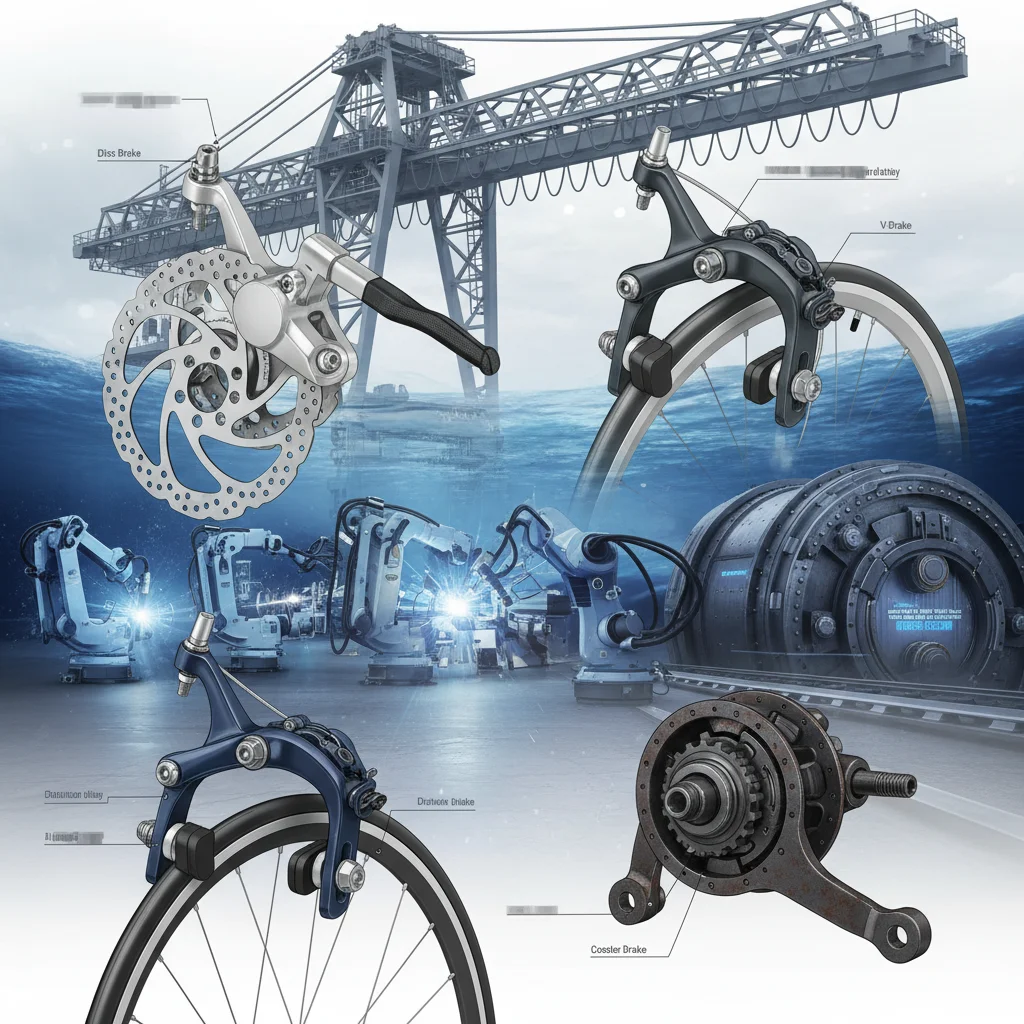
The efficiency of a bicycle's drivetrain depends heavily on the precise tension of the chain, making the bicycle chain adjuster an indispensable component for riders and manufacturers alike. Whether dealing with the wear and tear of daily commuting or the high-performance demands of sporting events, a well-functioning adjuster ensures that the chain remains secure and operates smoothly without slipping or excessive friction.
From a global manufacturing perspective, the demand for high-quality drivetrain components has surged as urban mobility shifts toward sustainable transportation. A reliable bicycle chain adjuster not only extends the lifespan of the chain and sprockets but also enhances the overall safety of the rider by preventing sudden chain failures during transit.
Understanding the nuances of material selection—such as the balance between the strength of steel and the lightness of aluminum alloys—is key to optimizing these components. By focusing on durability and precision, manufacturers can provide solutions that cater to a wide array of bicycle types, from children's trikes to professional road bikes, ensuring seamless performance across all demographics.

The Material Engineering of Bicycle Chain Adjusters
The construction of a high-performance bicycle chain adjuster relies on a strategic blend of materials to ensure both longevity and ease of use. Superior steel is typically employed for the core adjustment tools and tensioning bolts, providing the necessary torque resistance and structural integrity to prevent deformation under heavy load.
To complement the strength of steel, aluminum alloys are frequently integrated into the housing or lighter contact points. This hybrid material approach allows the bicycle chain adjuster to remain lightweight without compromising its ability to maintain rigid tension, which is critical for preventing chain derailment in varied terrains.
Global Industry Context and Market Demand
The global bicycle components market has seen a significant shift toward high-precision engineering, driven by the rise of eco-friendly urban transportation. In regions such as South-East Asia, the Middle East, and South America, the bicycle chain adjuster is a critical spare part that ensures the reliability of bikes used for both utilitarian transport and recreation.
Industry data suggests that drivetrain failures are among the most common reasons for bicycle downtime. By implementing a standardized and durable bicycle chain adjuster, manufacturers can reduce the frequency of maintenance intervals and improve the user experience, which is essential for maintaining brand loyalty in a competitive international market.
Moreover, the push for CE certification and international quality standards ensures that these components meet strict safety requirements. This global alignment allows for seamless trade and distribution, enabling factories in China to supply high-capacity monthly outputs (up to 10,000 pieces) to diverse markets across Africa and beyond.
Core Components and Functional Design
At its heart, the bicycle chain adjuster is designed to eliminate the slack that naturally occurs as a chain stretches over time. By providing a mechanical means to shift the axle position or modify the tensioner's reach, the adjuster keeps the chain perfectly aligned with the chainwheel and crank.
The integration of a bicycle chain adjuster typically involves a screw-driven mechanism that allows for micro-adjustments. This precision is vital; too much tension can lead to premature wear of the bearings and BB shells, while too little tension increases the risk of the chain dropping.
Modern designs also focus on "attractive design" and a "complete range of specifications," ensuring that whether the bike is a heavy-duty mountain bike or a lightweight children's tricycle, the bicycle chain adjuster fits perfectly and remains intuitive for the end-user to operate.
Performance Metrics and Quality Standards
Evaluating the efficiency of a bicycle chain adjuster requires looking at several key performance indicators (KPIs), including torque stability, corrosion resistance, and ease of installation. A high-quality adjuster must maintain its setting even after thousands of pedal rotations and exposure to harsh weather conditions.
To quantify these improvements, manufacturers often benchmark different adjustment methods against industry standards to ensure "dependable performance" across various models. This ensures that the final product delivers a consistent riding experience.
Comparative Efficiency of Bicycle Chain Adjuster Types
Global Applications and Regional Use Cases
The application of the bicycle chain adjuster varies significantly by region. In urban European cities, where folding bicycles and city bikes are prevalent, the focus is on compact, low-maintenance adjusters that allow for quick tune-ups. In contrast, in the rugged terrains of South America, mountain bike adjusters must be reinforced to handle extreme vibrations and debris.
Furthermore, the logistics of supplying these parts—utilizing ocean, land, and air transportation—ensures that local repair shops in remote industrial zones have constant access to replacements. This widespread availability prevents the stagnation of local transport networks and promotes the continued use of bicycles as a primary mode of transit.
Long-Term Value and Sustainability
Investing in a high-grade bicycle chain adjuster offers long-term economic value by reducing the "total cost of ownership" for the cyclist. By maintaining optimal chain tension, the wear on the expensive chainwheel and crank is minimized, delaying the need for costly replacements.
From a sustainability standpoint, durable components reduce the amount of metal waste entering landfills. A bicycle chain adjuster made from recyclable steel and aluminum alloys aligns with global green initiatives, promoting a circular economy within the bicycle parts industry.
Beyond the technical, there is an emotional value in reliability. A rider who trusts their equipment feels more confident in their journey, whether they are commuting to work or exploring a mountain trail, knowing that their drivetrain is secure and efficient.
Future Innovations in Chain Tensioning
The future of the bicycle chain adjuster lies in the integration of smarter materials and automated tensioning systems. We are seeing a move toward self-adjusting mechanisms that use spring-loaded tensioners to compensate for chain stretch in real-time, reducing the need for manual intervention.
Digital transformation is also touching the manufacturing process. With the implementation of advanced CNC machining and AI-driven quality control, the tolerances for bicycle chain adjuster production are becoming tighter than ever, ensuring a "perfect fit" for every single unit leaving the warehouse.
As the industry moves toward carbon-neutral production, the focus will shift toward "green steel" and recycled aluminum, ensuring that the tools we use to keep our bikes moving do not harm the planet we ride upon.
Analysis of Bicycle Chain Adjuster Material and Performance
| Material Type | Durability Score | Weight Impact | Primary Use Case |
|---|
| Hardened Steel | 10/10 | High | Cargo & MTB |
| Aluminum Alloy | 7/10 | Low | Racing & City |
| Hybrid Steel-Alloy | 9/10 | Medium | General Purpose |
| Stainless Steel | 9/10 | Medium | Coastal/Humid Areas |
| Reinforced Polymer | 5/10 | Ultra-Low | Children's Bikes |
| Titanium Alloy | 10/10 | Low | Professional Custom |
FAQS
It is generally recommended to check the chain tension every 200-500 miles, or whenever you notice the chain sagging or making unusual noise. Using a professional bicycle chain adjuster allows you to make quick corrections to prevent the chain from slipping off the sprockets, ensuring a safer and smoother ride.
Yes, you can. Most bicycle chain adjusters are designed to be compatible across different frame materials. Steel adjusters provide excellent durability and are often used on aluminum frames to ensure the tensioning bolt does not strip over time, though you should ensure the adjuster's specifications match your frame's dropouts.
Steel adjusters offer maximum strength and longevity, making them ideal for heavy-duty use. Alloy adjusters are significantly lighter and often more resistant to corrosion, which is preferable for racing or commuting in rainy climates. Many of our products use a hybrid approach to provide the best of both worlds.
Yes, often "chain chatter" or clicking sounds are caused by improper tension or misalignment. By utilizing a bicycle chain adjuster to bring the chain to the correct tension, you reduce the vibration and misalignment that cause these noises, resulting in a quieter and more efficient drivetrain.
Our high-quality steel and alloy adjusters are suitable for many electric bikes, provided they match the axle size and frame type. However, because e-bikes place more torque on the drivetrain, we strongly recommend using our heavy-duty steel options to ensure the adjuster can handle the increased load without slipping.
A chain is too loose if it can be moved vertically by more than half an inch at the midpoint between the sprockets. It is too tight if there is no "play" at all, which puts immense pressure on the BB axle. A bicycle chain adjuster allows you to find the "sweet spot" for optimal performance.
Conclusion
In summary, the bicycle chain adjuster is a small but mighty component that plays a pivotal role in the longevity, safety, and efficiency of any bicycle. By balancing high-strength materials like steel and aluminum alloy with precision engineering, these tools ensure that the drivetrain operates at peak performance, regardless of the rider's skill level or the bike's intended use. From reducing mechanical wear to enhancing the sustainability of urban transport, the value of a quality adjuster is undeniable.
As the cycling industry continues to evolve toward smarter and greener solutions, the focus will remain on durability and precision. For manufacturers and retailers, partnering with a supplier that offers a complete range of specifications and strict quality control is the only way to meet the growing global demand. We invite you to explore our professional range of components to elevate your product quality. Visit our website: www.ikia-tanda.com