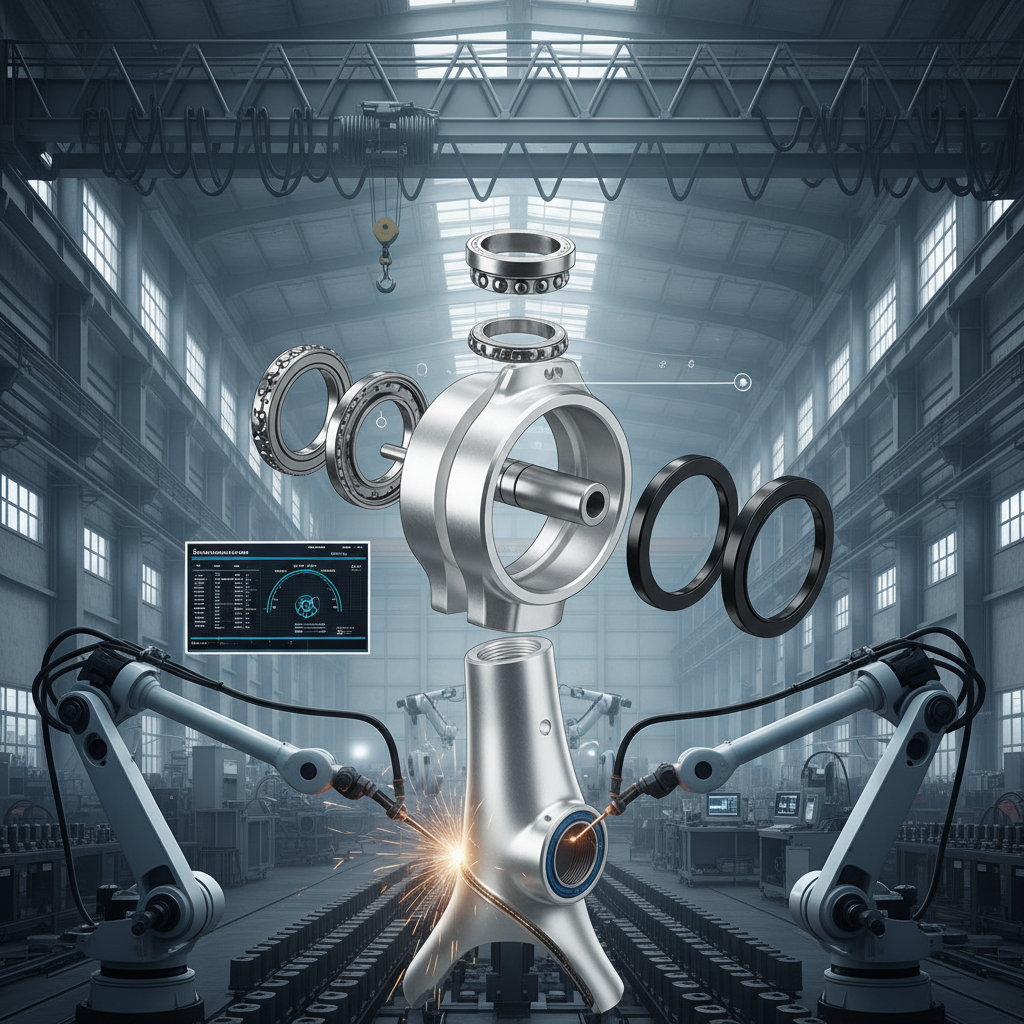
The bicycle bottom bracket shell serves as the structural heart of a bicycle frame, acting as the critical junction where the drivetrain meets the chassis. Without a precision-engineered bicycle bottom bracket shell, the efficient transfer of power from the rider's legs to the rear wheel would be compromised, leading to energy loss and mechanical instability. In the global push for sustainable urban mobility, the quality of this single component often dictates the longevity and performance of the entire vehicle.
Across the international manufacturing landscape, the standardization of the bicycle bottom bracket shell has evolved from simple threaded tubes to complex, oversized press-fit systems. This evolution reflects a broader industry trend toward optimizing weight-to-stiffness ratios, a necessity for high-performance racing and heavy-duty commuting. As cities worldwide adopt more aggressive cycling infrastructures, the demand for durable and reliable BB shells has reached an all-time high.
Understanding the nuances of the bicycle bottom bracket shell is not merely a matter of mechanical curiosity but a requirement for quality assurance in bicycle production. From ensuring the perfect alignment of the crankset to preventing the dreaded "creaking" sound that plagues many riders, the engineering of the shell is where safety meets efficiency. By focusing on material integrity and machining precision, manufacturers can significantly enhance the riding experience for millions of users.
Global Industry Relevance of the Bicycle Bottom Bracket Shell
On a global scale, the bicycle bottom bracket shell is a cornerstone of the transport equipment manufacturing sector. As ISO standards continue to refine the tolerances for frame components, the industry has shifted toward a more modular approach to BB shell integration. This ensures that frames produced in one region can seamlessly accept drivetrain components manufactured in another, facilitating a truly global supply chain for the cycling industry.
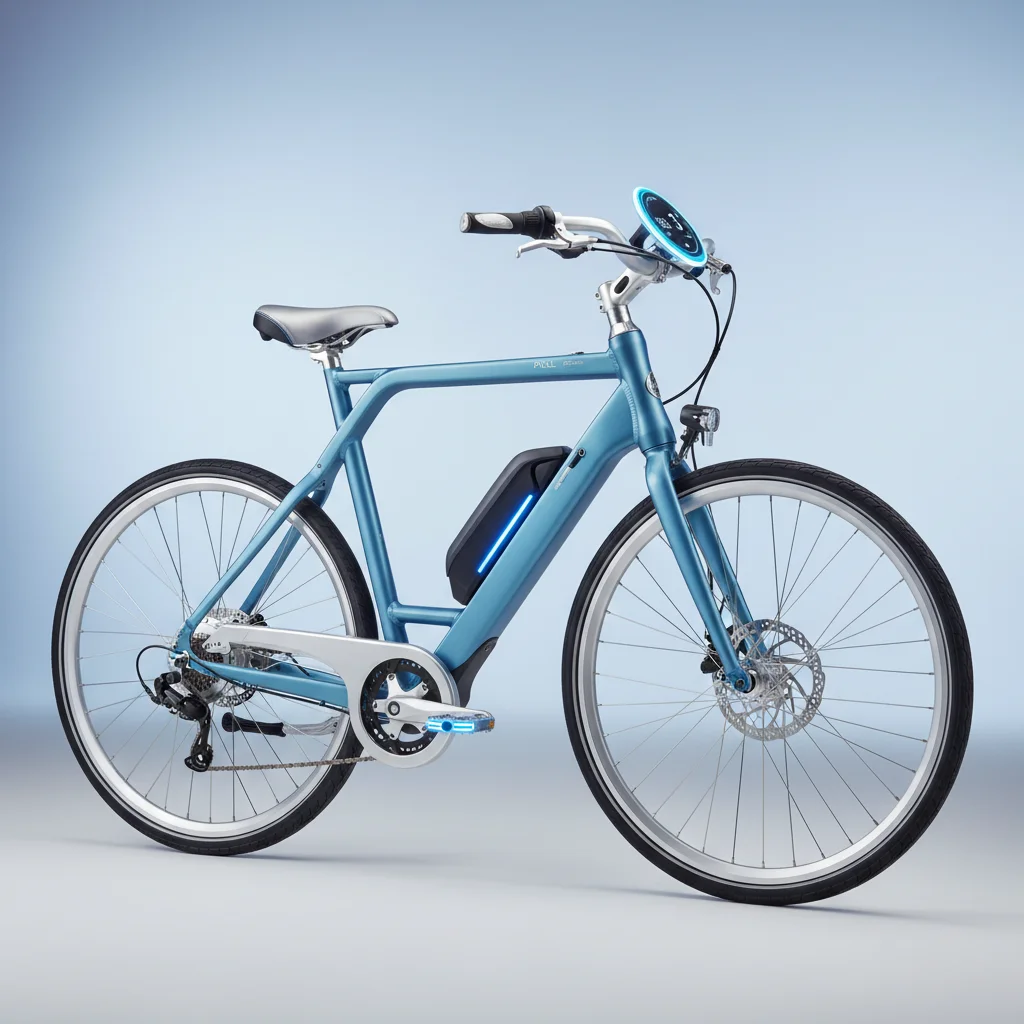
The strategic importance of the bicycle bottom bracket shell becomes evident when analyzing the surge in e-bike production. The added torque from electric motors puts unprecedented stress on the bottom bracket area, requiring shells with higher tensile strength and superior fatigue resistance to prevent frame failure and ensure rider safety.
Defining the Mechanics of the Bicycle Bottom Bracket Shell
In simplest terms, a bicycle bottom bracket shell is the cylindrical part of the bicycle frame that houses the bottom bracket bearings and the spindle of the crankset. It acts as the primary housing that maintains the alignment of the drive train, ensuring that the pedals and chainrings rotate on a perfectly perpendicular axis relative to the frame.
From an industrial perspective, the shell is more than just a tube; it is a precision-machined interface. Whether it is a threaded BSA (British Standard) shell or a modern BB30 press-fit design, the shell must be perfectly concentric. Any deviation in the circularity of the bicycle bottom bracket shell can lead to premature bearing wear, increased friction, and an overall decrease in pedaling efficiency.
Furthermore, the shell's connection to the seat tube and down tube is a critical area of structural engineering. This "bottom bracket junction" must withstand not only the vertical force of the rider's weight but also the lateral torsion generated during sprints or climbing. Consequently, the wall thickness and material composition of the shell are meticulously calculated to balance weight reduction with maximum rigidity.
Core Engineering Factors for Shell Durability
One of the most critical factors in the production of a bicycle bottom bracket shell is material selection. High-grade 6061 or 7005 aluminum alloys are frequently used for their excellent strength-to-weight ratios, while chromoly steel remains the gold standard for touring bikes where extreme durability and easy repairability are prioritized over weight.
Precision machining is the second pillar of durability. The internal threading or the smooth bore of the bicycle bottom bracket shell must be finished to micron-level tolerances. This prevents "play" in the crankset, which would otherwise lead to erratic power delivery and the rapid degradation of the bearing races.
Finally, the integration of the shell into the frame's overall geometry—specifically the "BB Drop"—affects the bike's stability. A well-engineered shell allows for a lower center of gravity, which enhances handling. When combined with proper heat treatment and welding (or bonding for carbon shells), the bicycle bottom bracket shell becomes a lifelong component of the frame.
Global Applications and Market Use Cases
The application of different bicycle bottom bracket shell designs varies significantly by region and use case. In European urban centers, where city bikes and folding bicycles dominate, threaded shells are preferred for their ease of maintenance and long-term reliability in wet, salty winter conditions.
Conversely, in the competitive racing markets of North America and Asia, lightweight press-fit shells are the norm for carbon fiber road bikes. These designs allow for larger bearing diameters, which increase lateral stiffness and reduce the overall weight of the bike, providing a competitive edge in professional cycling events.
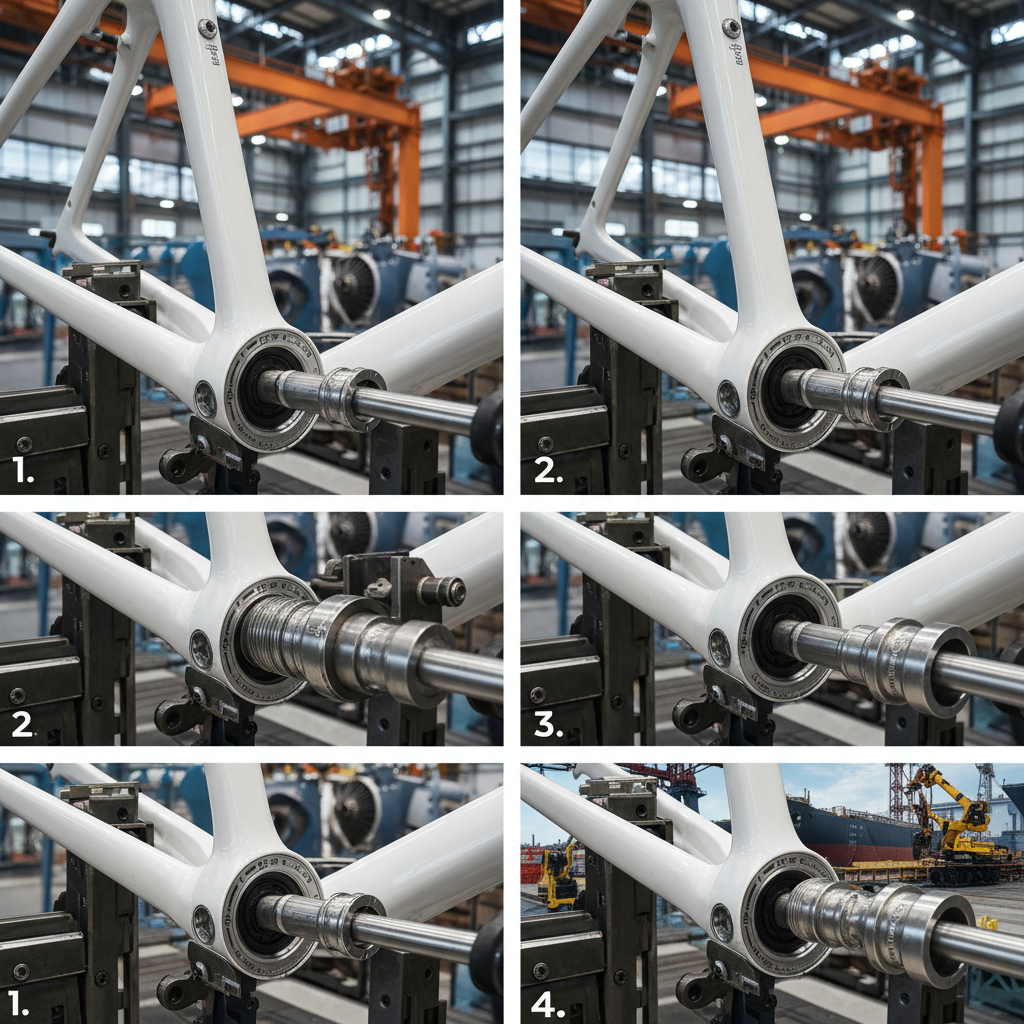
Performance Comparison of BB Shell Integration Methods
Long-Term Value and Performance Advantages
Investing in a high-quality bicycle bottom bracket shell yields tangible long-term benefits, primarily through the reduction of maintenance costs. A precision-machined shell prevents the ingress of dust and moisture, which are the primary enemies of bottom bracket bearings. By maintaining a tight seal, the shell extends the service life of the drivetrain, saving the owner from frequent and costly replacements.
Beyond the financial aspect, there is a significant emotional and performance-based advantage. A silent, stiff bottom bracket provides the rider with confidence and a sense of mechanical harmony. When every watt of energy is transferred directly to the road without the distraction of creaks or wobbles, the riding experience is transformed from a chore into a pleasure, fostering a deeper trust between the cyclist and their machine.
Future Trends in BB Shell Materials and Design
The future of the bicycle bottom bracket shell is being shaped by the advent of additive manufacturing (3D printing). We are seeing the emergence of topology-optimized shells that place material only where the stress is highest, allowing for an unprecedented reduction in weight while actually increasing the stiffness of the junction.
Sustainability is also driving innovation. Manufacturers are exploring bio-based composites and recycled high-strength alloys to reduce the carbon footprint of frame production. These "green" shells are designed for a circular economy, where the bottom bracket area can be easily refurbished or recycled at the end of the frame's lifecycle.
Additionally, the integration of smart sensors directly into the bicycle bottom bracket shell is on the horizon. These sensors could measure real-time torque and power output without the need for expensive external crank-arm pods, turning the BB shell into a data-collection hub for professional athletes and health-conscious commuters alike.
Overcoming Common Challenges in Shell Manufacturing
One of the most persistent challenges in the industry is the "creak" associated with press-fit bicycle bottom bracket shell designs. This occurs when the shell's internal diameter is slightly too large, allowing the cups to move microscopically. The industry solution has been the introduction of threaded inserts or precision-fit oversized sleeves that restore the tight tolerance required for a silent ride.
Another hurdle is the variability in raw material quality. To combat this, top-tier manufacturers have implemented automated ultrasonic testing and X-ray inspection for every shell produced. This ensures that there are no internal voids or structural weaknesses that could lead to a catastrophic failure under heavy load.
Finally, the conflict between standardization and innovation continues. While proprietary shells allow for extreme performance, they frustrate consumers. The current trend is moving toward "universal shells"—designs that are optimized for performance but remain compatible with a wide range of industry-standard bearing sets.
Technical Comparison of Bicycle Bottom Bracket Shell Manufacturing Standards
| Shell Type |
Primary Material |
Installation Difficulty |
Stiffness Score (1-10) |
| BSA Threaded |
Aluminum 6061 |
Low |
7 |
| Press-Fit BB86 |
Carbon Fiber/Alloy |
Medium |
8 |
| BB30 Oversized |
High-Modulus Carbon |
High |
9 |
| Italian Threaded |
Steel / Alloy |
Low |
7 |
| E-Bike Mid-Drive |
Reinforced Alloy |
High |
10 |
| Vintage Square Taper |
Chromoly Steel |
Low |
6 |
FAQS
A threaded shell uses internal screw threads to secure the bottom bracket cups, making it easier to install and remove with basic tools. Press-fit shells rely on a tight friction fit between the cups and the shell. While press-fit designs are often lighter and stiffer, they require higher precision in manufacturing to avoid noise (creaking) and are more difficult for the average user to service.
The most common signs include a persistent creaking or clicking sound during pedaling, excessive side-to-side "play" in the crank arms, or visible cracks around the bottom bracket junction. If the threads in a threaded shell are stripped, it may be impossible to tighten the BB cups, indicating that the shell itself needs professional repair or replacement.
Yes, it is possible through the use of "threaded bottom bracket adapters." These are specialized sleeves that are pressed into the existing press-fit shell and provide internal threads for a standard threaded BB. This is a popular solution for riders who want to eliminate the noise often associated with press-fit systems.
E-bikes generate significantly more torque than traditional bicycles due to the electric motor. This puts massive stress on the BB shell, which must act as the mounting point for the motor. Therefore, e-bike shells are usually reinforced with thicker walls and higher-grade alloys to prevent structural deformation and ensure the motor remains perfectly aligned.
Absolutely. An aluminum shell offers a great balance of weight and stiffness. A carbon fiber shell can be engineered for specific directional stiffness, reducing weight even further. Steel shells are generally heavier but offer a certain "spring" or compliance that is preferred by long-distance touring cyclists for comfort over rough terrain.
For most riders, a visual inspection every 6 months or after a particularly muddy season is recommended. Look for signs of corrosion, paint chipping around the junction, or looseness in the cranks. Professional cyclists or those using their bikes for heavy cargo should have the shell and bearings checked every 1,000 to 2,000 kilometers.
Conclusion
The bicycle bottom bracket shell may seem like a simple piece of tubing, but it is the fundamental anchor that enables efficient power transfer and structural stability in any bicycle. From the selection of high-grade alloys to the precision of micron-level machining, the quality of the shell directly impacts the rider's safety, the bike's longevity, and the overall efficiency of the drivetrain. By balancing the competing needs of weight, stiffness, and ease of maintenance, the industry continues to refine this critical component to meet the demands of both professional racing and daily urban commuting.
Looking ahead, the integration of smart materials and additive manufacturing will likely redefine the boundaries of what a bottom bracket shell can achieve. As we move toward a more sustainable future, the shift toward circular design and reinforced shells for e-mobility will ensure that the bicycle remains the most efficient mode of transport. For manufacturers and enthusiasts alike, prioritizing the integrity of the bottom bracket shell is the surest way to guarantee a smooth, silent, and powerful ride for years to come.
Visit our website: www.ikia-tanda.com