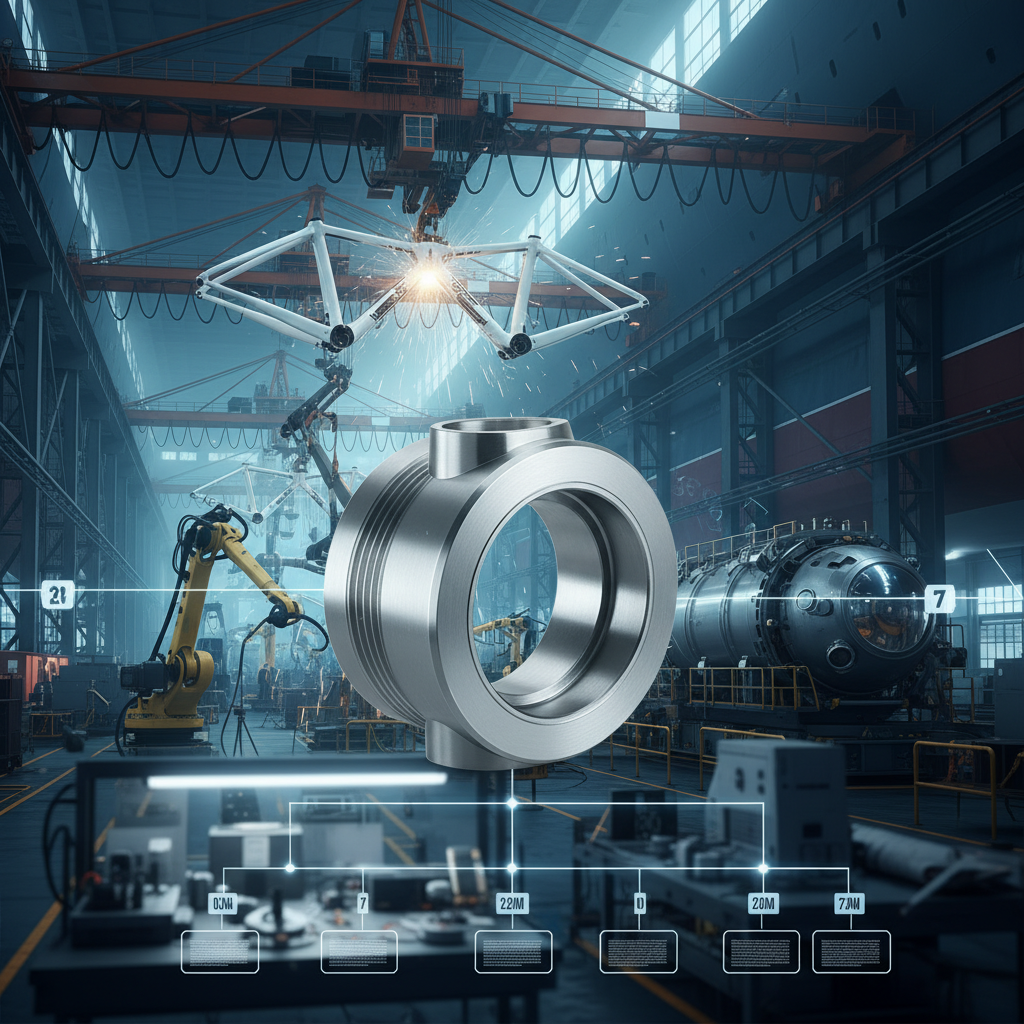
The bike bottom bracket shell serves as the critical junction of a bicycle frame, acting as the housing for the bearings and axle that allow the pedals to rotate. In the world of precision cycling manufacturing, the integrity of this component determines not only the efficiency of power transfer from the rider to the road but also the overall longevity of the frame. Understanding the nuances of shell geometry and material composition is essential for anyone seeking to optimize bicycle performance.
Globally, the demand for high-quality bicycle components has surged as urban mobility shifts toward sustainable transport. The bike bottom bracket shell is at the center of this evolution, where engineers are constantly balancing the need for lightweight materials with the necessity of extreme structural rigidity. Whether it is for a professional racing bike or a rugged mountain bike, the shell's precision is what prevents "bottom bracket creak" and ensures a smooth ride.
For manufacturers and enthusiasts alike, mastering the specifications of the bike bottom bracket shell is about more than just fitting a part; it is about enhancing the mechanical harmony of the entire vehicle. By focusing on tighter tolerances and advanced alloys, the industry is pushing the boundaries of what is possible in cycling efficiency, making the bike a more reliable tool for both recreation and daily commuting.

Global Industry Standards for Bike Bottom Bracket Shell
The global manufacturing landscape for the bike bottom bracket shell is governed by strict ISO standards to ensure interoperability between frames and cranksets. As cycling has grown into a multi-billion dollar industry, the standardization of shell widths—ranging from the classic 68mm English threaded to the complex PressFit systems—has become a cornerstone of the supply chain, allowing for a global market of interchangeable parts.
However, the industry faces a constant challenge: the tension between proprietary "brand-specific" designs and open standards. While proprietary shells often claim superior stiffness or weight savings, they create hurdles for maintenance and sustainability. The shift toward a more unified approach is now being driven by environmental policies aiming to reduce waste by extending the lifespan of bicycle frames through easier component replacement.
Technical Definition and Mechanical Role
In technical terms, a bike bottom bracket shell is the cylindrical portion of the bicycle frame that houses the bottom bracket bearings and the spindle of the crankset. It is the structural heart of the bike, located at the intersection of the seat tube, down tube, and chainstays. Its primary role is to provide a stable, rigid platform that can withstand the immense torque generated by a rider during acceleration or climbing.
Beyond simple housing, the shell acts as a critical stabilizer. If the shell is too flexible, the frame suffers from lateral deflection, which wastes energy and reduces the efficiency of the drivetrain. Therefore, the machining of the shell must be precise to within microns to ensure that the bearings sit perfectly square, preventing premature wear and ensuring the crank arms remain perfectly parallel.
From a humanitarian and urban planning perspective, the reliability of this component is paramount for the millions who rely on bicycles as their primary mode of transport in developing nations. A durable, easily serviceable bike bottom bracket shell means less downtime and lower maintenance costs for the end-user, directly contributing to the viability of cycling as a sustainable transport solution.
Core Engineering Factors for Durability
When designing a bike bottom bracket shell, the first priority is Material Rigidity. Whether using 6061 aluminum, chromoly steel, or carbon fiber, the shell must resist deformation under load. High-modulus materials are often preferred in racing frames to ensure that every watt of energy is transferred to the rear wheel without the shell "flexing" during a sprint.
Precision Facing is another non-negotiable factor. The faces of the bike bottom bracket shell must be perfectly parallel to each other. If the shell is slightly skewed during the welding process, the bearings will be loaded unevenly, leading to rapid degradation. Professional shops use facing tools to shave a thin layer of material, ensuring a perfectly flat surface for the cups to seat against.
Finally, Corrosion Resistance plays a vital role, especially for bikes used in coastal areas or snowy climates where road salt is prevalent. Anodized aluminum or treated steel shells prevent the oxidation that can "lock" a bottom bracket in place, making future replacements a nightmare. The integration of high-grade seals within the shell helps keep contaminants out of the bearing races, extending the operational life of the drivetrain.
Performance Metrics and Material Efficiency
Evaluating the efficiency of a bike bottom bracket shell involves measuring the ratio of weight to stiffness. In modern competitive cycling, a shell that provides maximum rigidity while minimizing grams is the gold standard. This is achieved through strategic wall thickness and the use of reinforced inserts in carbon frames to prevent the shell from cracking under the pressure of the bearing cups.
Furthermore, the method of attachment—threaded versus press-fit—significantly impacts long-term performance. Threaded shells are praised for their ease of installation and silence, while press-fit shells are often lighter and allow for wider spindles, which increases the overall stiffness of the crankset assembly.
Performance Comparison of Bike Bottom Bracket Shell Types
Real-World Applications Across Cycling Disciplines
The application of the bike bottom bracket shell varies wildly depending on the bike's purpose. In road racing, the shell is designed for extreme lightness and aerodynamics, often integrated into a carbon monocoque frame to minimize wind resistance and weight. Here, the focus is on a rigid interface that allows for rapid bursts of power during sprints.
Conversely, in mountain biking (MTB), the shell must prioritize protection and durability. MTB shells are often wider and made of reinforced alloys to withstand the constant impact of rocks and mud. In these environments, the shell's ability to seal out debris is more critical than a few saved grams, as a compromised bike bottom bracket shell in the middle of a trail can lead to total mechanical failure.
Long-Term Value and Sustainability Impacts
Investing in a high-quality bike bottom bracket shell provides significant long-term value by reducing the frequency of frame replacements. When a shell is engineered for longevity, it ensures that the bike remains functional for decades rather than years. This shift toward "slow manufacturing" reduces the environmental footprint of the bicycle industry by decreasing the amount of aluminum and carbon fiber that ends up in landfills.
From a psychological perspective, the reliability of the bottom bracket fosters a sense of trust between the rider and their machine. There is an emotional security in knowing that the core of the bike is stable, which encourages more people to embrace cycling for health and wellness. The dignity of owning a vehicle that doesn't require constant, expensive repairs is a key driver in the adoption of bikes in urban centers.
Moreover, the push for standardized shell sizes allows for a thriving second-hand market. When a bike bottom bracket shell is compatible with various brands of bearings and cranks, it allows owners to upgrade their equipment without discarding the entire frame, promoting a circular economy within the cycling community.
Future Innovations in Shell Design
Looking ahead, the bike bottom bracket shell is poised for a digital transformation. We are seeing the emergence of 3D-printed titanium shells that are customized to the specific biometric needs of a rider. These additive manufacturing techniques allow for internal lattice structures that provide unprecedented stiffness-to-weight ratios, far surpassing traditional CNC machining.
Sustainability is also driving the development of bio-composite shells. Researchers are experimenting with flax and hemp fibers reinforced with bio-resins to create shells that are as strong as carbon fiber but fully biodegradable at the end of their lifecycle. This innovation aims to decouple high-performance cycling from the reliance on petroleum-based plastics.
Furthermore, the integration of smart sensors within the shell is on the horizon. Future designs may include embedded strain gauges that monitor the health of the bike bottom bracket shell in real-time, alerting the rider via a smartphone app when the bearings require lubrication or when structural fatigue is detected, thereby preventing catastrophic failure.
Analysis of Bottom Bracket Shell Material and Design Evolutions
| Material Type |
Stiffness Rating |
Durability Index |
Eco-Friendliness |
| Chromoly Steel |
7/10 |
10/10 |
High (Recyclable) |
| Aluminum 6061 |
8/10 |
7/10 |
Medium |
| Carbon Fiber |
10/10 |
6/10 |
Low |
| Titanium Alloy |
9/10 |
9/10 |
Medium-High |
| Bio-Composite |
6/10 |
5/10 |
Excellent |
| 3D-Printed Ti |
10/10 |
8/10 |
Medium |
FAQS
A threaded bike bottom bracket shell uses screw-in cups to secure the bearings, offering superior ease of installation and a noise-free experience. Press-fit shells, on the other hand, push the bearings directly into the frame, which often reduces weight and allows for wider, stiffer spindles, though they can be more prone to creaking if not installed with extreme precision.
Common signs include a persistent creaking or clicking sound when pedaling under load, as well as "play" or wobbling in the crank arms. If you notice the bearings are failing frequently despite replacement, the shell itself may be out of alignment or ovalized, requiring professional facing or frame replacement.
Yes, there are specialized conversion kits available. These usually involve inserting a threaded sleeve into the existing press-fit bike bottom bracket shell, allowing you to use standard threaded cups. This is a popular solution for riders looking to eliminate the "PressFit creak" and simplify maintenance.
The material determines the shell's lateral stiffness. A shell made of high-modulus carbon or titanium resists bending when the rider pushes hard on the pedals. If the material is too soft, the shell flexes, absorbing energy that should be going into the drivetrain, thereby reducing the overall efficiency of the ride.
Facing the bike bottom bracket shell involves milling the edges of the shell to be perfectly flat and parallel. This ensures the bearings are perfectly aligned with the crank spindle. Proper alignment reduces friction, prevents premature bearing wear, and eliminates the gaps that often lead to annoying creaks.
For touring and commuting, a threaded steel bike bottom bracket shell is generally the best choice. Steel offers incredible durability and impact resistance, while the threaded design allows for easy servicing in remote areas with basic tools, ensuring the rider is never stranded due to a bottom bracket failure.
Conclusion
In summary, the bike bottom bracket shell is far more than a simple piece of tubing; it is the mechanical cornerstone that defines a bicycle's efficiency, durability, and ride quality. From the precision of its machining to the selection of its materials, every detail of the shell impacts how energy is transferred from the athlete to the road. By adhering to global standards and embracing innovations in additive manufacturing and sustainable materials, the industry is ensuring that the bike remains a viable, high-performance tool for the future of mobility.
As we move toward a more eco-conscious era, the focus will likely shift from mere performance to "lifecycle value," where the bike bottom bracket shell is designed for infinite serviceability and minimal waste. For manufacturers and riders alike, prioritizing the integrity of this core component is the most effective way to guarantee a safe, smooth, and sustainable journey. We invite you to explore our range of precision components to elevate your ride. Visit our website: www.ikia-tanda.com