If you commute, travel light, or just hate wrestling with bike racks, you’ve probably eyed a folder. I’ve been testing compact commuters for years, and this season the category feels more mature than ever. For a practical benchmark, here’s a real-world look anchored on folding bicycle for adults,—and how it stacks up.
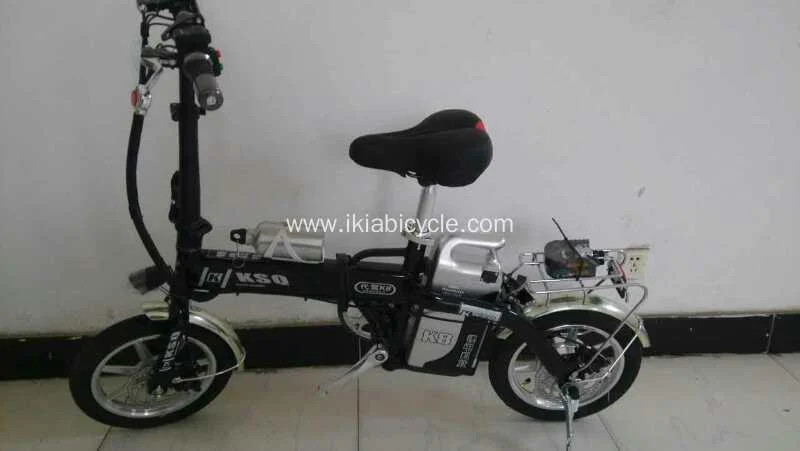
What’s happening in the market
Urban ridership is up, car-free days are trending, and—surprisingly—companies are buying fleets for staff. 20-inch wheels dominate for stability; 16-inch still shines for ultra-compact city hops (think tight subways). To be honest, there’s no “best,” only best fit. Many customers say a 20-inch feels more confidence-inspiring at 25–30 km/h, while 16-inch wins tight stairs and small elevators.
Product snapshot: 6 Speed 20 Inch Folding Bike
Model IKIA-FB-B04 leans practical: steel frame, 6-speed gearing, quick fold. The brand lists a 20-inch spec; some regional packages offer 24-inch wheels—real-world availability may vary, so ask before you order.
Key Specifications (≈ real-world values) |
Model | IKIA-FB-B04 (6 Speed 20 Inch Folding Bike) |
Wheel Size | 20″ standard; 24″ option in some markets |
Frame/ Fork | Hi-tensile steel, TIG welded |
Gearing | 6-speed, 14–28T freewheel, 52T chainring |
Brakes | V-brakes (mechanical) |
Tires | 20×1.75″ puncture-resistant casing |
Fold Time | ≈15–20 s after practice |
Weight | ≈12.5–13.8 kg (spec dependent) |
Max Rider Load | ≈100–110 kg |
Compliance | ISO 4210; US CPSC 16 CFR 1512 |
Service Life | 5–8 years (routine maintenance) |
How it’s built & tested
Materials: phosphate + e-coat base, powder coat top layer for chip resistance. Methods: torque audits on cockpit and hinge clamps; spoke tension balanced (around 100–120 kgf). Testing: frame fatigue ≈100,000 cycles; handlebar/stem cyclic tests; salt-spray per ASTM B117 72 h on coated samples; brake performance over wet/dry runs. I guess that’s why squeaks are rare out of the box.
Use cases and feedback
· Commuters: 20″ rides steadier over potholes; 16″ folds smaller for trains.
· RV/boat: lockers love compact folders; rust-resistant finishes help.
· Campus: theft avoidance—fold and take it indoors.
Customer notes: easy fold, predictable shifting, and—actually—better hill help than expected with a 14–28T freewheel. Some taller riders add a long seatpost for fit.
Vendor snapshot: how it compares
Brand / Model | Wheel | Weight | Fold Time | Typical Price | Notes |
IKIA 6-Speed 20″ | 20″ (24″ option) | ≈13 kg | ≈15–20 s | Value segment | Steel durability, budget-friendly |
Brompton C Line Explore | 16″ | ≈11.5–12.5 kg | ≈10–15 s | Premium | Ultra-compact fold |
Dahon Mariner D8 | 20″ | ≈12.5 kg | ≈15–20 s | Mid | Good for coastal storage |
Tern Link A7 | 20″ | ≈12.1 kg | ≈15–20 s | Mid | Sportier geometry |
Customization & sourcing
Common options: racks, fenders, lighting, 7–8 speed gearing, extended seatposts, quick-release pedals. Colorways and branding available with MOQs. Certification support (ISO 9001 factory, material RoHS statements) can be provided on request.
Mini case files
• A fintech in Manila rolled out 40 units—staff commute time dropped ≈18% and office parking complaints basically vanished. • A marina couple stores two 20″ folders in a locker; powder coat resisted salt air over one season. • A university library courier switched to a 16″ for tighter stacks—trade-off in speed, but zero elevator drama.
If you’re choosing between sizes: 20″ for stability and mixed pavement; 16″ if your building or train rules are strict. Either way, a folding bicycle for adults,folding bicycle 20 inch,folding bicycle 16 inch,folding bike,foldable bicycle makes multi�modal trips feel… possible. And that’s the whole point.