If you’re scanning the market for no-nonsense city rides, start here: womens bicycles for sale. I’ve spent enough time in factories and bike shop backrooms to know the gap between brochure claims and real street performance. This piece blends both: what the spec sheets say and what actually matters in daily urban use.
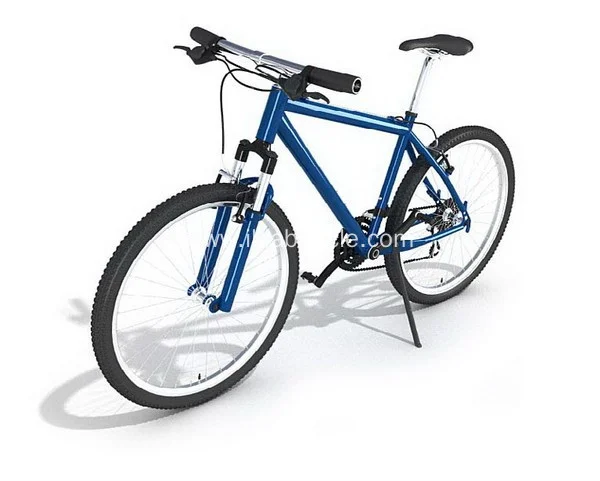
Trend check: urban bikes in 2025
- Cities are doubling down on bike lanes; simple, low-maintenance drivetrains are winning. - Step-through frames (often sold as women’s-friendly) are now unisex royalty—easier at lights, better with panniers. - E-commuters love integrated lights and racks; acoustic commuters prefer lighter frames and classic geometry. To be honest, both camps demand reliability more than clever marketing.
Featured platform: Fashion Carbon Steel Frame City Road Bicycle
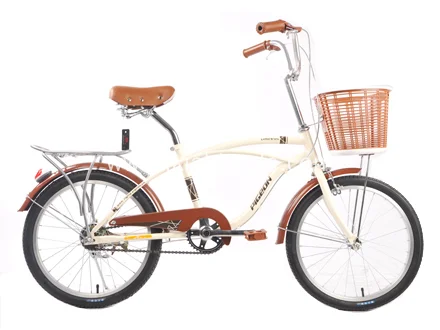
Model IKIA-CB-B30 combines old-school toughness (carbon steel) with modern city geometry. For fleets or first-time riders, it’s a predictable, serviceable base.
Model | IKIA-CB-B30 | Type | Standard city bicycle |
Wheel size | 24″ | Frame material | Carbon steel (high-tensile) |
User range | All ages (height ≈ 135–170 cm) | Drivetrain | Single-speed or 1×7 (optional) |
Brakes | V-brake / coaster (market dependent) | Weight | ≈ 13–16 kg (real-world may vary) |
Load limit | Rider + cargo ≈ 120 kg | Finish | E-coat + powder coat |
Process, testing, and service life
Materials: high-tensile carbon steel tubes; TIG welding; alignment on surface plates. Corrosion control via phosphating + electrophoretic coating, then powder coat. QC: frame fatigue test to ISO 4210-6 (100,000 cycles target), fork bending per ISO 4210-7, salt spray ASTM B117 (≥ 72 h), brake performance to CPSC 16 CFR 1512. Expected service life: 5–8 years in typical city use; fleets report 2–3 years heavy-duty before major overhaul.
Use cases
· Retail commuters: short hops, racks + baskets, simple upkeep.
· Campus fleets and bike-share: standardized parts, easy training for mechanics.
· Delivery riders: steel frames shrug off knocks; 24″ wheels accelerate fast in traffic.
Vendor comparison (snapshot)
Vendor | IKIA (IKIA-CB-B30) | Rad Power (RadCity) | Generic Wholesale City Bike |
Type | Acoustic city | E-urban (hub motor) | Acoustic city |
Wheel | 24″ | 27.5″–29″ | 26″/700C |
Wholesale terms | MOQ negotiable; OEM paint/logo | Primarily D2C; limited wholesale | Wide MOQ; variable QC |
Certs focus | ISO 4210, CPSC | EN 15194 (EPAC), CPSC | Mixed; verify |
Customization and wholesale
· Options: gearing (SS/7-speed), fenders, rear rack, integrated lights, tire width 32–45 mm.
· Branding: PMS-matched powder coat, laser-etched head badge.
· Packaging: fleet bulk-pack vs. retail carton (85% assembled).
Field notes and case studies
- Southeast Asia retailer: 300 units; warranty claims 1.9% in 12 months (mostly brake pads and cables). - EU campus fleet: 150 units; frame/fork fatigue pass at 120k cycles; salt spray 96 h with no red rust on welded seams. Riders said the step-through felt “confident at low speed,” which, honestly, is half the battle in city traffic.
If you’re mapping womens bicycles for sale,city bike types,city bike wholesale,urban bike,rad city bikes,radcity bikes,citybikes to real purchase decisions: pick steel for durability, check compliance labels, and don’t underestimate good fenders and tires. It seems basic—because it is.