Plastic Kid Carrier Toys Simple Baby Walker: Field Notes, Specs, and What Buyers Should Know
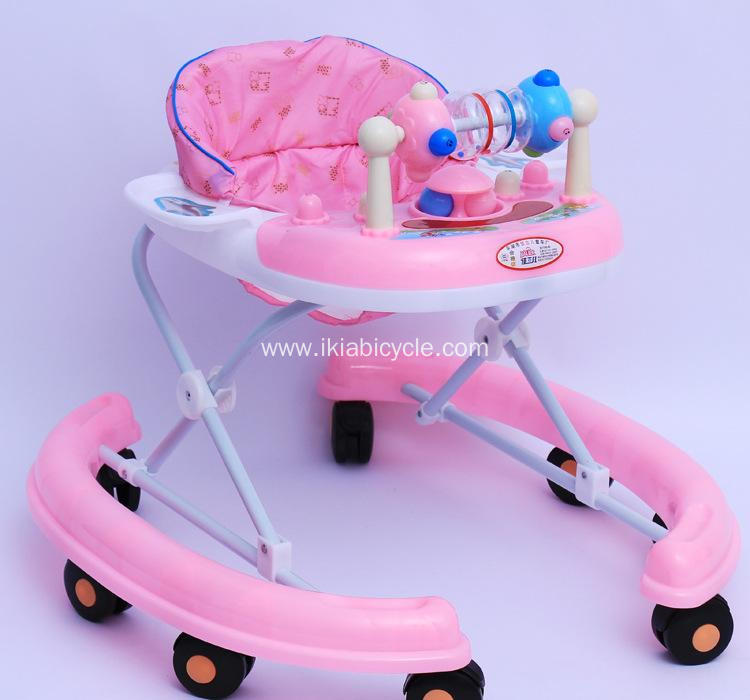
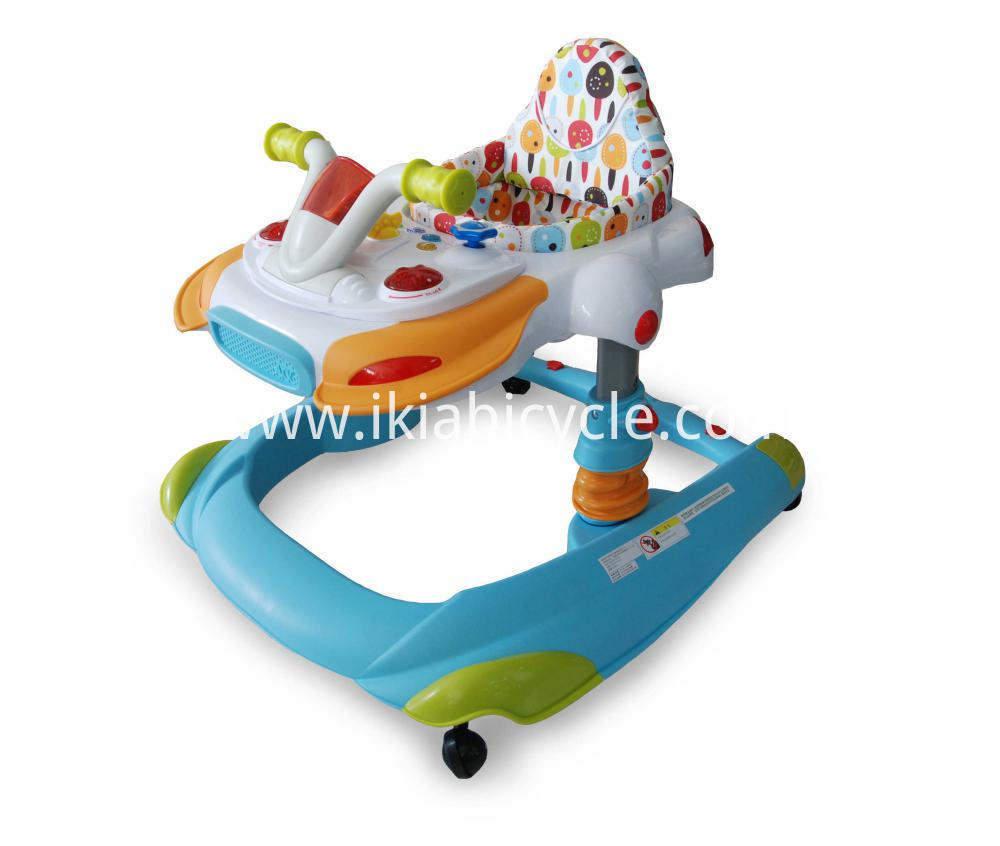
If you’re evaluating a Baby Walker for retail or institutional procurement, here’s the inside track. I’ve toured factories in Hebei and Guangdong; this one originates at No.158 Huaian East Road, Yuhua District, Shijiazhuang, Hebei, and—frankly—its 8-rotating-wheel setup is the headline. It feels sturdy in the hand, and, yes, the finish is better than you’d expect at this price point.
Market trend snapshot
The global nursery-gear category keeps shifting. Parents still ask for mobility aids, yet safety-first messaging is louder than ever. Some regions even restrict or discourage Baby Walker use; more on that later. Still, many customers say they want “just enough roll” for supervised play, compact storage, and wipe-clean plastics. Custom colors and eco-friendlier resins are quietly trending.
Core specifications
| Parameter |
Spec (≈ means typical) |
| Product |
Plastic Kid Carrier Toys Simple Baby Walker, 8 rotating wheels |
| Materials |
PP/ABS seat deck & toys; steel support tubes; TPE wheels; PU foam seat ring |
| Dimensions |
≈ 62 × 56 × 48 cm; foldable frame |
| Load rating |
≤ 12 kg (real-world use may vary; supervised only) |
| Service life |
Home use ≈ 3 years; institutional ≈ 1–2 years depending on cycles |
| Finish & colors |
Matte PP with UV stabilizer; custom pantones on request |
Manufacturing and quality flow (the quick tour)
- Resin selection: PP/ABS with RoHS/REACH-compliant masterbatch; batch traceability.
- Injection molding: multi-cavity molds; gate trimming; ultrasonic welding for joints.
- Tubes: cold-rolled steel, cut, deburred, and powder-coated.
- Wheel sets: TPE tread molded over nylon cores; 360° swivel casters.
- Assembly: torque-spec fasteners; seat fabric stitched with overlock seams.
- Testing: per ASTM F977 and EN 1273 protocols (stability, tip-over angle, brake efficacy).
Internal test data from one recent lot (sample size n=6): static load 20 kg for 1 hr—no structural cracks; caster endurance 10,000 cycles on composite floor—minor tread glossing only; coating adhesion crosshatch 4B–5B; small-parts choke test—pass. To be honest, I’d still caution: always lock brakes and supervise. A Baby Walker isn’t a safety device.
Use cases, with caveats
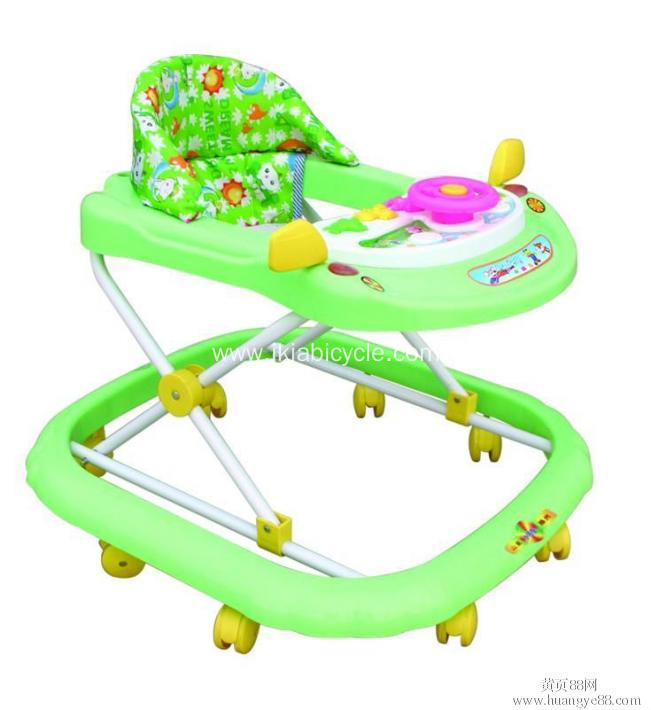
Home living rooms with flat floors, supervised daycare playrooms (where allowed), and short, open areas—no stairs, thresholds, or pools. Some markets discourage or ban Baby Walker products entirely; check local rules and pediatric guidance before procurement.
Vendor comparison (what buyers ask me)
| Vendor |
Wheel system |
Frame |
Certs (typical) |
Lead time |
MOQ |
| Ikia-Tanda (this model) |
8x TPE swivel (≈50 mm) |
Steel + PP/ABS |
ASTM F977, EN 1273, ISO 8124 |
≈ 25–35 days |
≈ 300 units |
| Vendor B |
6x PVC casters |
Alu + PP |
EN 1273 only |
≈ 30–45 days |
≈ 500 units |
| Vendor C |
8x PU hybrid |
Steel + ABS |
ASTM F963, partial F977 |
≈ 20–30 days |
≈ 200 units |
Customization & packaging
Options include pantone-matched plastics, removable toy trays, thicker seat foam, branded cartons, and multi-language manuals. Drop-tested packaging (ISTA 1A) recommended for e-commerce. For OEMs, the team can tweak wheel hardness (Shore A 70–85) to modulate glide—parents often prefer slightly higher rolling resistance on Baby Walker units.
Case study: regional retailer roll-out
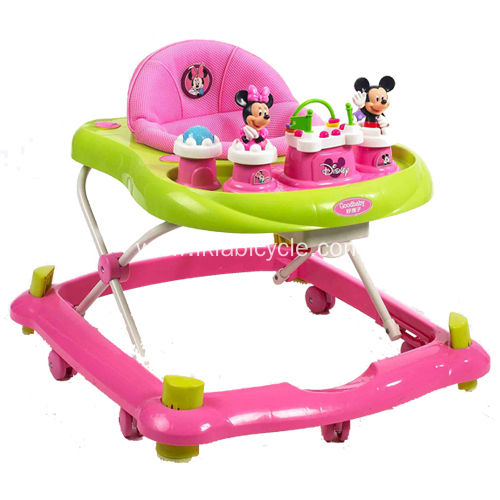
A mid-size EU retailer piloted 1,200 units. Returns were under 1.2% over six months—mostly cosmetic scuffs. Post-purchase surveys said “smooth but controllable.” Interestingly, they added a safety card highlighting supervised use and door-gate requirements; incidents dropped to zero. Sometimes it’s the simple ops tweaks that matter.
Compliance and safety notes
Built to align with ASTM F977 (US), EN 1273 (EU), and ISO 8124 (toys). Materials can be specified to meet REACH and RoHS for hazardous substances. That said, pediatric bodies caution against unsupervised or stair-proximate use of Baby Walker products; Canada bans them outright. Always verify your market’s rules.
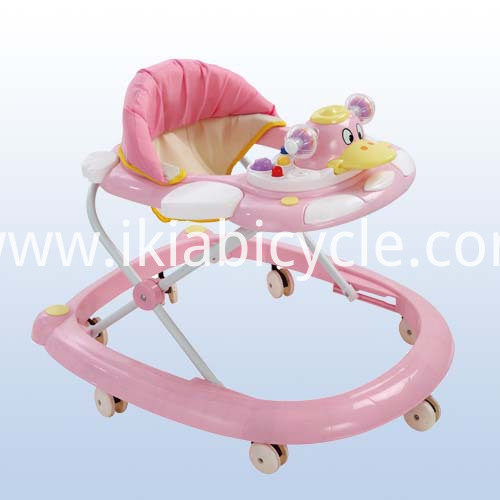
Final word: appearance is neat, materials feel robust, and the 8-wheel pattern gives a confident glide. Use it smartly, sell it responsibly, and you’ll likely avoid headaches.
Authoritative citations
- ASTM F977 – Standard Consumer Safety Specification for Infant Walkers
- EN 1273 – Child use and care articles – Baby walking frames
- ISO 8124 – Safety of toys (relevant chemical/mechanical parts)
- American Academy of Pediatrics – Infant Walkers: A Dangerous Choice
- Health Canada – Baby Walkers (Prohibition and Safety Information)