Choosing the Best Tricycle for 3 Years Old: A Comprehensive Guide
Selecting the right tricycle for a 3-year-old is a crucial decision for parents and caregivers. At this age, children are developing essential motor skills, balance, and coordination. A well-chosen tricycle can provide hours of fun while fostering these developmental milestones. This guide will walk you through the key considerations, features to look for, and top options available at Ikia-Tanda, ensuring you make an informed choice that prioritizes safety, durability, and enjoyment for your little one.
Developmental Benefits of Tricycles for 3-Year-Olds
A tricycle isn't just a toy; it's a valuable tool for a child's physical and cognitive development. Pedaling a tricycle strengthens leg muscles, improves gross motor skills, and enhances coordination. The act of steering teaches spatial awareness and problem-solving skills. Furthermore, tricycles encourage outdoor play, contributing to a child's overall health and well-being. Choosing a tricycle designed with a 3-year-old’s needs in mind, like those available at Ikia-Tanda, can maximize these benefits.
Key Benefits: Strengthens leg muscles, improves coordination, enhances spatial awareness, encourages outdoor play, and promotes overall physical development.
Key Features to Look for in a Tricycle for a 3-Year-Old
When shopping for a tricycle, prioritize safety and age-appropriateness. Look for features like a wide wheelbase for stability, a low center of gravity to prevent tipping, and a sturdy steel frame. A comfortable, adjustable seat is essential, as is a limited steering range to prevent oversteering. A parent push handle is beneficial for younger or less confident riders. At Ikia-Tanda, we offer tricycles that incorporate all these essential features and more.
Essential Features:
• Wide wheelbase for stability
• Low center of gravity
• Sturdy steel frame
• Adjustable seat
• Limited steering range
Tricycle for 3 Years Old: Comparing Types
There are several types of tricycles available, each with its own advantages and disadvantages. Classic tricycles offer a traditional riding experience, while grow-with-me tricycles can be converted into balance bikes as the child develops. Parent-controlled tricycles provide added security for beginner riders. Understanding these differences will help you choose the best option for your child’s needs. Ikia-Tanda carries a diverse selection to meet various preferences.
| Type |
Pros |
Cons |
| Classic Tricycle |
Stable, easy to pedal, traditional design |
Can be bulky, limited features |
| Grow-With-Me Tricycle |
Adaptable, converts to balance bike, long-lasting |
Can be more expensive, requires adjustments |
| Parent-Controlled Tricycle |
Added security, easier for beginners, parental guidance |
Can limit child’s independence, parental effort required |
Safety Considerations When Choosing a Tricycle
Safety should always be the top priority. Ensure the tricycle meets relevant safety standards. Always supervise your child while they are riding. A helmet is non-negotiable. Consider knee and elbow pads for added protection. Regularly inspect the tricycle for any loose parts or damage. At Ikia-Tanda, we prioritize safety and only offer products that meet stringent quality control measures.
Product Spotlight: Ikia-Tanda's Top Tricycle Picks
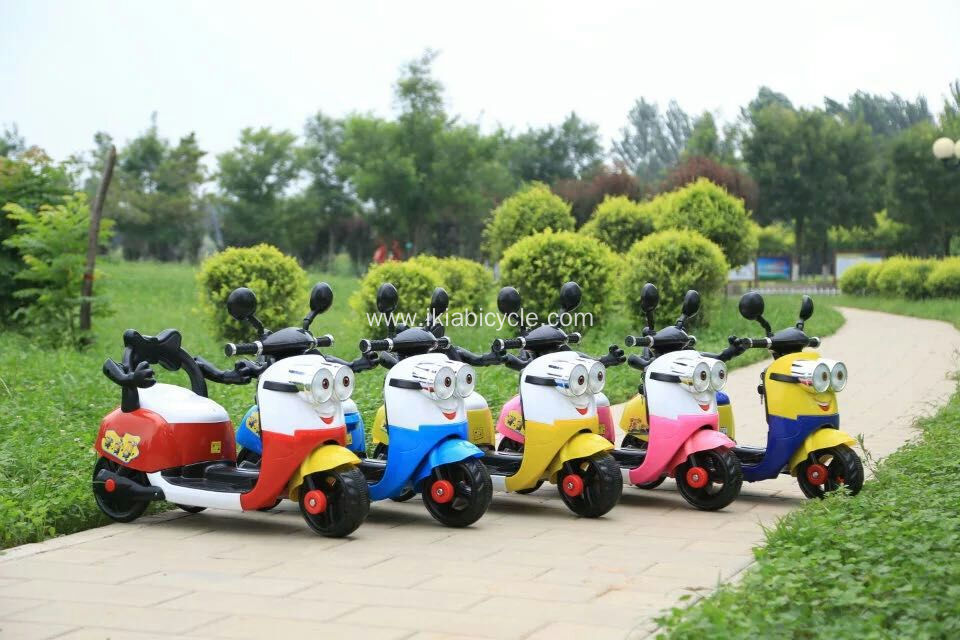
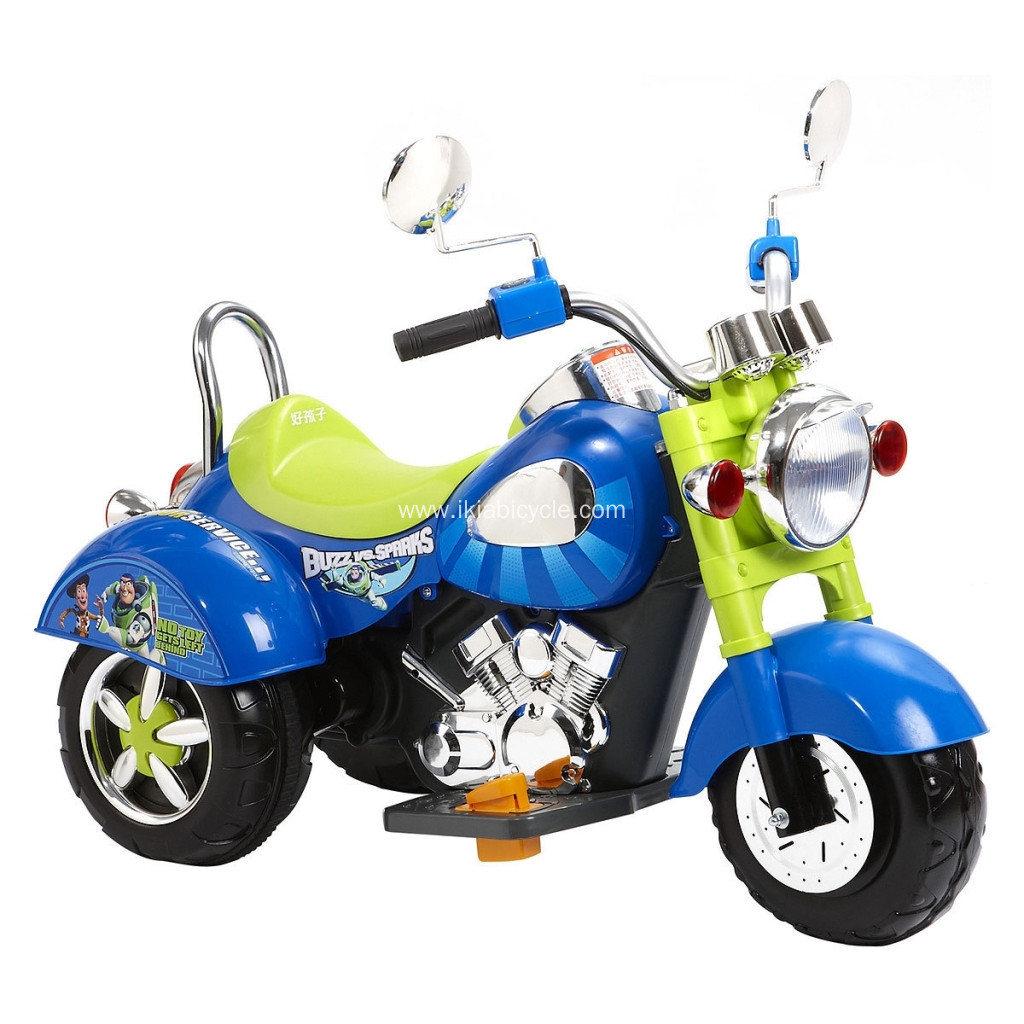
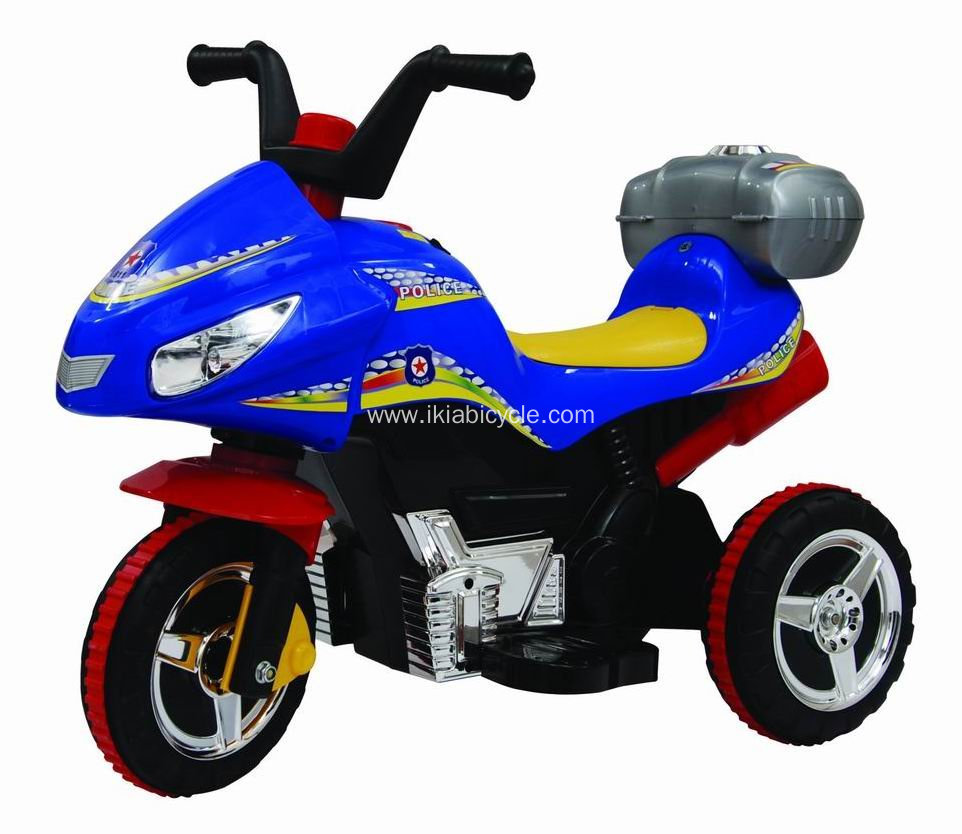
At Ikia-Tanda, we've curated a selection of high-quality tricycles perfect for 3-year-olds. Our popular models include the 'Little Explorer' tricycle with its robust steel frame and adjustable seat, and the 'Adventure Rider' grow-with-me tricycle which can transition into a balance bike as your child gains confidence. We also offer the 'Parent-Guided Trike' for peace of mind during initial learning stages. Browse our full collection here.
Conclusion: Find the Perfect Ride at Ikia-Tanda
Choosing the right tricycle for your 3-year-old is an investment in their development and enjoyment. Ikia-Tanda offers a range of safe, durable, and fun tricycles to suit every child’s needs. Explore our collection today and watch your little one embark on their cycling adventure!
Frequently Asked Questions (FAQs)
What age is a tricycle suitable for?
While tricycles can be introduced slightly earlier, 3 years old is generally considered the ideal age. At this stage, children typically have the necessary leg strength and coordination to comfortably pedal and steer. However, every child develops at their own pace, so consider your child's individual abilities. Some children may benefit from a tricycle with a parent push handle to assist with initial learning. Ikia-Tanda offers tricycles suited to different skill levels.
How do I ensure my child's safety while riding a tricycle?
Safety is paramount! Always ensure your child wears a properly fitted helmet. Knee and elbow pads are also recommended. Supervise your child closely, especially when they are first learning. Choose a safe riding area, away from traffic and obstacles. Regularly inspect the tricycle for any loose parts or damage. Teach your child basic safety rules, such as looking before turning and being aware of their surroundings.
What is the best type of terrain for a tricycle?
Tricycles are best suited for smooth, flat surfaces like sidewalks, paved paths, and driveways. Avoid rough terrain, gravel, or steep hills. Uneven surfaces can make it difficult for your child to pedal and steer, and could potentially lead to accidents. Always choose a safe and appropriate riding environment.
How do I store a tricycle?
Store the tricycle in a dry, sheltered location, such as a garage or shed. Protect it from the elements to prevent rust and damage. If storing outdoors, cover the tricycle with a waterproof tarp. Regular maintenance, such as lubricating the moving parts, will help prolong its lifespan.