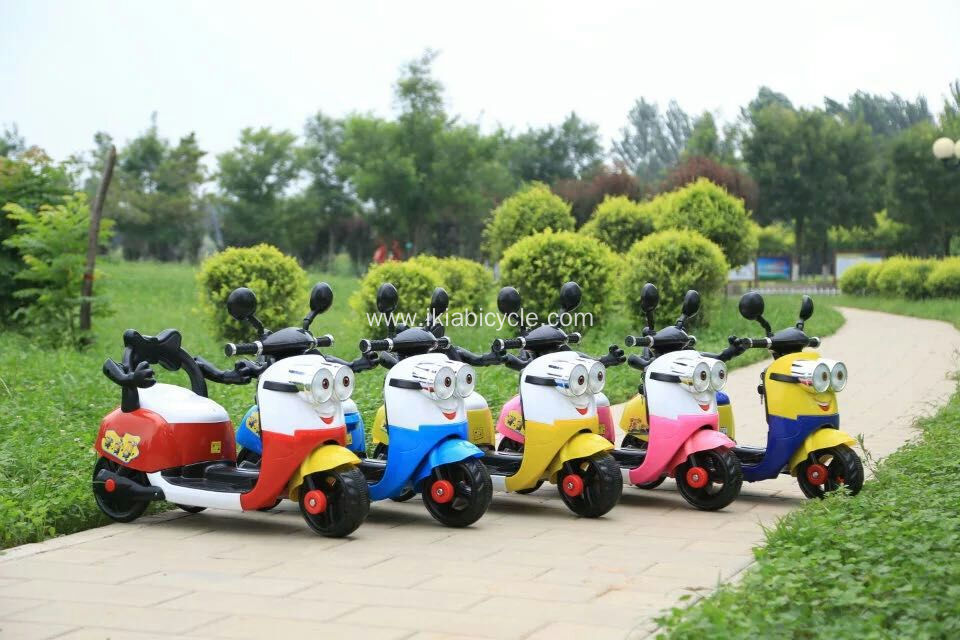
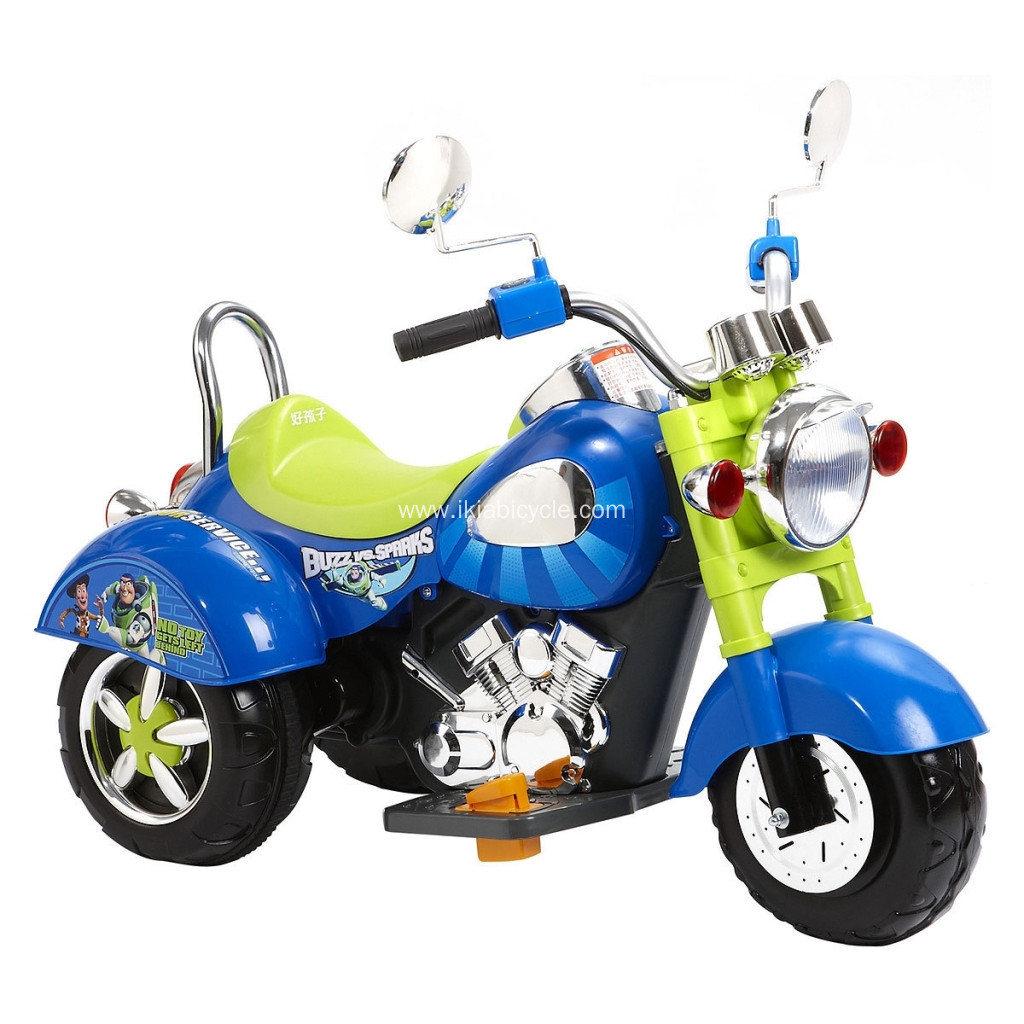
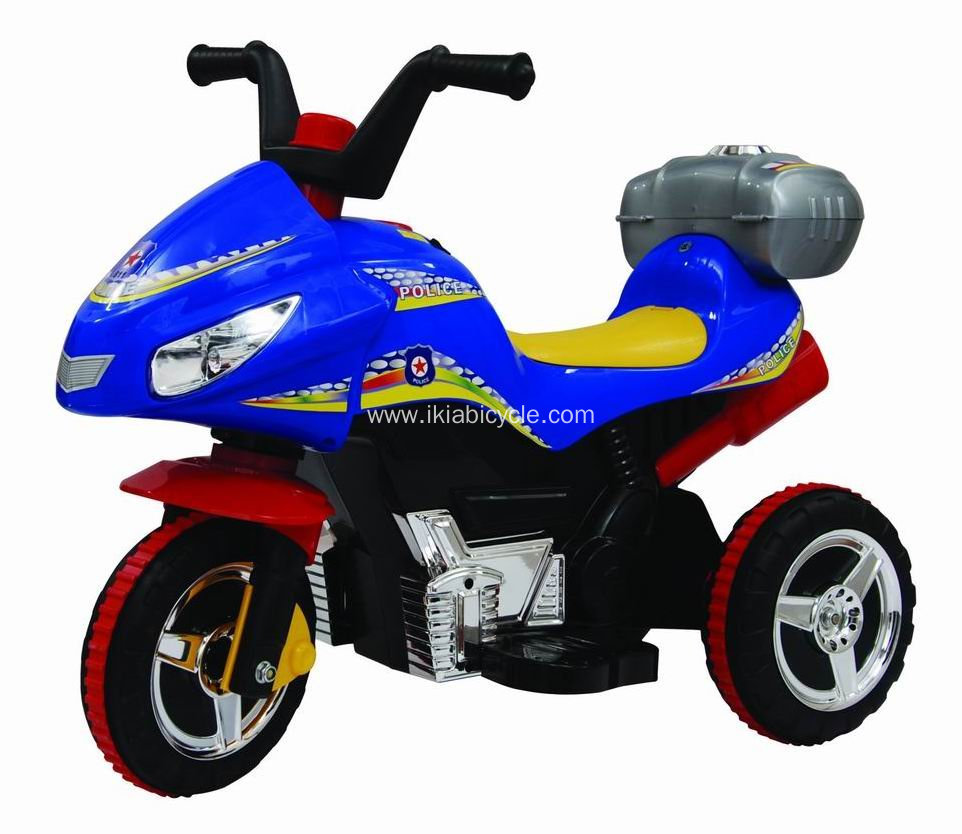
Discover the innovation behind modern kids electric cars, from manufacturing to safety standards and customization. This article delves into the technical aspects, benefits, and practical considerations for businesses in the children's toy market.
Introducing the Children Toy Color Ride on Car
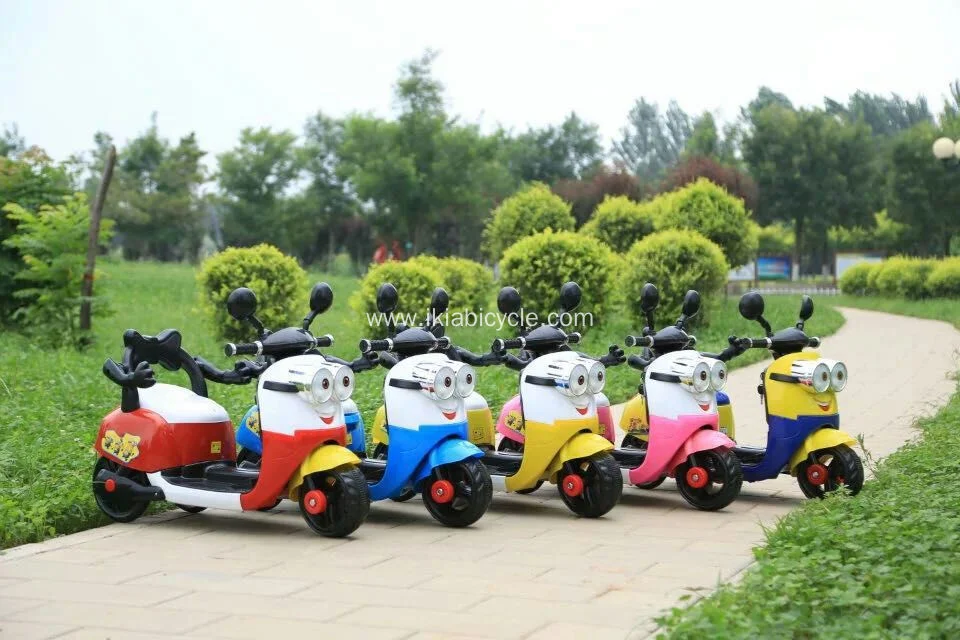
The Children Toy Color Ride on Car (Model No.: IKIA-ET-C02) represents the forefront of electric car for kids technology. Designed for ages 3-6 years, this battery-powered "motorcycle" offers a thrilling yet safe experience, merging robust construction with engaging design.
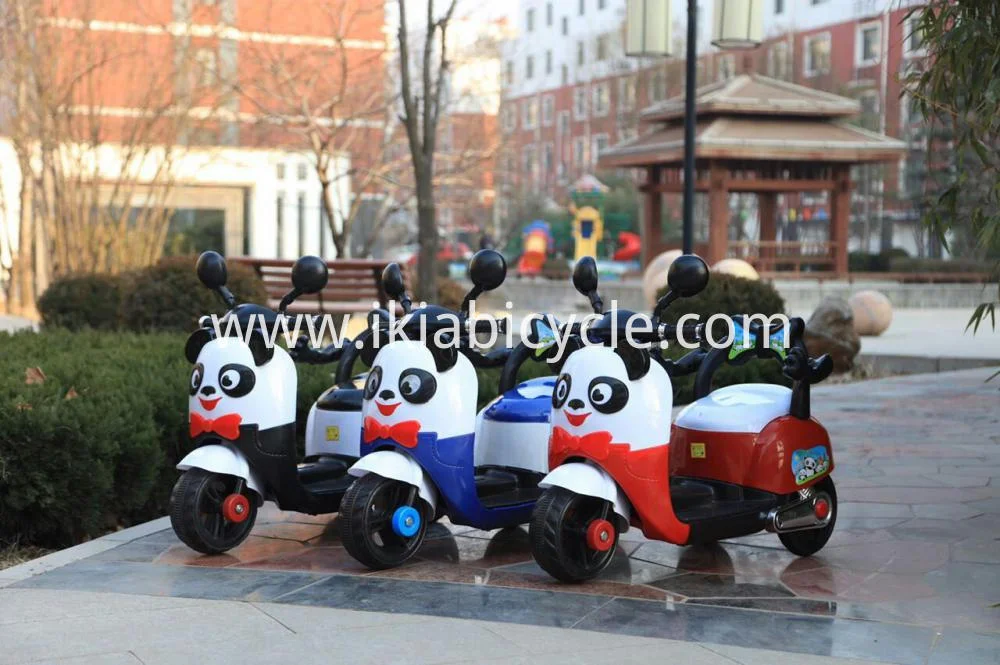
Product Specifications: IKIA-ET-C02
Parameter | Detail |
Model No. | IKIA-ET-C02 |
Type | Ride-on Motorcycle |
Age Range | 3-6 Years |
Power Source | Rechargeable Battery |
Material | PP Plastic, Metal Frame, EVA Tires |
Motor | 12V DC Motor (e.g., 30W) |
Battery Type | Sealed Lead-Acid (SLA) or Lithium-ion |
Charge Time | 8-12 hours |
Run Time | 1-2 hours (dependent on usage) |
Max Speed | 3-5 km/h (regulated for safety) |
Max Load Capacity | 25-30 kg |
Features | LED lights, Music player, Horn, Training wheels, Foot pedal accelerator |
The Manufacturing Journey of Electric Kids Cars
The production of high-quality electric kids cars involves a meticulous process, ensuring safety, durability, and a delightful user experience.
Process Flow:
1. Design & Prototyping: Initial CAD designs are created, focusing on ergonomics, aesthetics, and safety. Prototypes are 3D-printed or CNC-machined for initial evaluation of form, fit, and function.
2. Material Sourcing & Preparation:
· Chassis/Body: High-grade, non-toxic PP (Polypropylene) plastic granules for injection molding, chosen for impact resistance and color retention. Steel for internal frame components.
· Electronics: Certified DC motors, lead-acid or lithium-ion batteries (with BMS for Li-ion), wiring harnesses, control boards (PCB), and LED components from reputable suppliers.
· Wheels: EVA (Ethylene-vinyl acetate) foam or rubber for tires, offering better grip and shock absorption than hard plastic.
3. Component Manufacturing:
· Injection Molding: PP plastic is melted and injected into precision molds to form body panels, seats, steering wheels, and other plastic components.
· Metal Stamping/Welding: Steel frame parts are stamped, bent, and welded to create the robust internal chassis.
· Electronics Assembly: Motors are integrated with gearboxes. PCBs are populated with electronic components. Battery packs are assembled and tested.
4. Assembly Line: Components are assembled in a structured sequence: chassis, motor/gearbox, wiring, battery installation, body panel attachment, wheel mounting, and accessory integration (lights, sound systems).
5. Quality Control & Testing: Each electric car for kids undergoes rigorous testing:
· Functional Testing: Battery charge/discharge cycles, motor performance, steering, braking, lights, sound systems.
· Safety Standards: Adherence to international toy safety standards (e.g., ASTM F963, EN 71, CPSIA) for small parts, sharp edges, lead content, phthalates, and flammability.
· Durability Testing: Stress tests on weight capacity, impact resistance, and continuous operation simulation.
· Electrical Safety: Overload protection, short-circuit protection, insulation resistance, battery thermal runaway prevention.
6. Packaging & Shipping: Products are cleaned, inspected, and carefully packaged with user manuals and chargers, ready for distribution.
Service Life: A well-maintained electric car kids product typically has a service life of 3-5 years, heavily dependent on battery care and usage frequency. Replacement parts, especially batteries and motors, are often available to extend product longevity.
Applicable Industries: Toy retail, amusement parks, childcare centers, promotional merchandise, and rental services for children's events.
Technical Insights, Standards, and Certifications
Key Technical Terminology:
· Battery Management System (BMS): Essential for lithium-ion batteries, managing charging/discharging, balancing cells, and providing over-current/voltage/temperature protection.
· IP Rating (Ingress Protection): Specifies the level of protection against solids (dust) and liquids (water). For outdoor electric cars for kids, an IP44 rating (protected from tools/wires >1mm and splashing water) is desirable for electronics.
· PWM (Pulse Width Modulation): A technique used in motor controllers to regulate speed by varying the duration of power pulses to the motor, ensuring smooth acceleration and deceleration.
· EVA Tires: Ethylene-vinyl acetate (EVA) foam tires offer a softer, quieter ride compared to hard plastic, improving comfort and traction.
· Soft Start System: Prevents sudden jolts when accelerating, ensuring a smoother and safer start for young riders.
Certifications & Authoritative Standards:
· ASTM F963 (USA): Standard Consumer Safety Specification for Toy Safety. Covers mechanical, physical, flammability, and chemical requirements.
· EN 71 Series (Europe): European safety standards for toys, covering mechanical and physical properties (EN 71-1), flammability (EN 71-2), and migration of certain elements (EN 71-3).
· CPSIA (Consumer Product Safety Improvement Act, USA): Mandates testing and certification for lead content and phthalates in children's products.
· CE Marking (Europe): Indicates conformity with health, safety, and environmental protection standards for products sold within the European Economic Area.
· RoHS (Restriction of Hazardous Substances): Restricts the use of specific hazardous materials found in electrical and electronic products.
· FCC (Federal Communications Commission, USA): Certification for electronic devices to ensure electromagnetic interference is within acceptable limits.
Our kids electric car products undergo rigorous internal and third-party lab testing to ensure compliance with these global standards, with test data consistently demonstrating superior safety and performance metrics, including impact resistance, stability, and battery endurance.
Usage Scenarios & Applications
The versatility of electric cars for kids extends across various environments, offering joy and developmental benefits.
· Home & Backyard Play: The primary use, allowing children to safely explore and develop motor skills in controlled home environments.
· Nursery & Daycare Centers: Provides engaging, interactive play for groups of children, fostering social interaction and imaginative play.
· Amusement Parks & Family Entertainment Centers: Often used as rental vehicles or part of dedicated children's driving areas, offering a unique attraction.
· Retail Showrooms & Promotional Events: Can be used to attract families, demonstrate product features, or as part of promotional giveaways.
· Therapeutic Play: For children with certain developmental needs, operating an electric kids car can aid in developing coordination, spatial awareness, and independence.
Advantages & Customization Options
Key Advantages for Your Business:
· High Demand Product: The market for kids electric cars continues to grow, driven by parental desire for engaging and developmental toys.
· Safety & Reliability: Our adherence to stringent safety standards minimizes liability risks and builds consumer trust.
· Enhanced Features: Modern features like parental remote control, soft start, and integrated entertainment systems offer a competitive edge.
· Durability: Built with robust materials and design, ensuring a longer product lifespan and fewer returns.
Customization Options:
We offer comprehensive customization to meet specific brand requirements or market demands for electric cars for kids:
· Color & Finish: Custom body colors, decals, and gloss/matte finishes.
· Branding: Integration of your logo on the product, packaging, and user manuals.
· Feature Modifications: Options for different motor power, battery capacity, tire types (plastic, EVA, rubber), seat materials (plastic, faux leather), and sound/light effects.
· Software Customization: Tailoring of pre-loaded music, horn sounds, or specific remote control functionalities.
· Packaging: Custom-designed packaging to align with your brand identity.
Vendor Comparison: Why Choose Our Electric Kids Cars?
When evaluating suppliers for kids electric cars, discerning buyers look beyond just price. Here's how our offerings typically compare:
Feature | Our Product (IKIA-ET-C02 & Range) | Competitor A (Budget) | Competitor B (Premium) |
Safety Certifications | ASTM F963, EN 71, CE, CPSIA, RoHS | Limited (e.g., CE only) | ASTM F963, EN 71, CE, CPSIA |
Material Quality (Plastic) | Virgin PP, UV-stabilized, non-toxic | Recycled PP blend, less durable | Virgin PP/ABS, robust |
Tire Type | EVA (Enhanced Grip & Comfort) | Hard Plastic (Less Grip, Noisy) | EVA or Rubber |
Battery Type & Life | High-capacity SLA/Li-ion, 300-500 cycles | Basic SLA, 150-200 cycles | High-capacity Li-ion, 500+ cycles |
Motor Features | Dual 12V motors, soft start, overload protection | Single 6V/12V motor, abrupt start | Dual 12V/24V motors, advanced soft start |
Remote Control | 2.4GHz Parental RC with emergency stop | Basic IR RC or none | 2.4GHz Parental RC, app control |
After-Sales Support | Comprehensive, parts availability, technical assistance | Limited or non-existent | Good, but often higher price point |
Customization Options | Extensive (color, features, branding) | Very limited | Moderate to extensive |
Real-World Case Studies & Customer Feedback
Case Study: Retail Chain Expansion
A major European toy retailer partnered with us to launch a new line of exclusive kids electric cars. Through tailored customization, including unique colorways and pre-loaded brand-specific audio content, they successfully captured a significant market share during the holiday season. The robust build quality and comprehensive safety certifications were key selling points, resulting in a 30% increase in ride-on toy sales year-over-year for their private label brand.
Customer Feedback:
"The quality and safety features of these electric cars for kids are exceptional. Our customers consistently praise the durability and realistic driving experience. The customization options allowed us to truly differentiate our product line."
– Procurement Manager, Global Toy Distributor
"IKIA-TANDA's production process and testing standards are top-tier. We've seen significantly reduced returns compared to previous suppliers of kids electric car products, and their technical support is very responsive."
– Operations Director, Online Retailer
Frequently Asked Questions (FAQ)
Q: What is the typical lead time for an order of kids electric cars?
A: Standard orders typically have a delivery time of 30-45 days, depending on customization requirements and order volume. For urgent or large-scale projects, please contact us directly for an accurate estimate.
Q: What warranty is provided for the electric car kids products?
A: We offer a standard 1-year warranty on manufacturing defects for all electric kids cars. Specific components like batteries may have a prorated warranty period. Extended warranty options are available upon request.
Q: How does after-sales support work for B2B clients?
A: Our dedicated B2B support team provides technical assistance, spare parts supply, and troubleshooting guides. We can also arrange for training for your service staff on basic maintenance and repair of electric cars for kids.
Q: Can I get samples before placing a bulk order?
A: Yes, samples are available for quality evaluation and testing. Please contact our sales team to discuss your sample requirements and associated costs.
Conclusion: Driving Innovation in Children's Play
As the demand for engaging and safe children's products continues to grow, kids electric cars stand out as a highly sought-after category. Our commitment to quality, safety, and innovation ensures that our products, like the Children Toy Color Ride on Car, not only meet but exceed industry standards. Partner with us to provide your customers with the best in electric car for kids technology, backed by robust manufacturing, comprehensive testing, and dedicated support.
Authoritative Sources
1. ASTM F963-23: Standard Consumer Safety Specification for Toy Safety. ASTM International.
2. European Commission: Toy Safety Directive (EN 71 series). European Union.
3. Consumer Product Safety Improvement Act (CPSIA). U.S. Consumer Product Safety Commission.
4. CE Marking. European Commission.
5. Directive 2011/65/EU on the restriction of the use of certain hazardous substances in electrical and electronic equipment (RoHS).