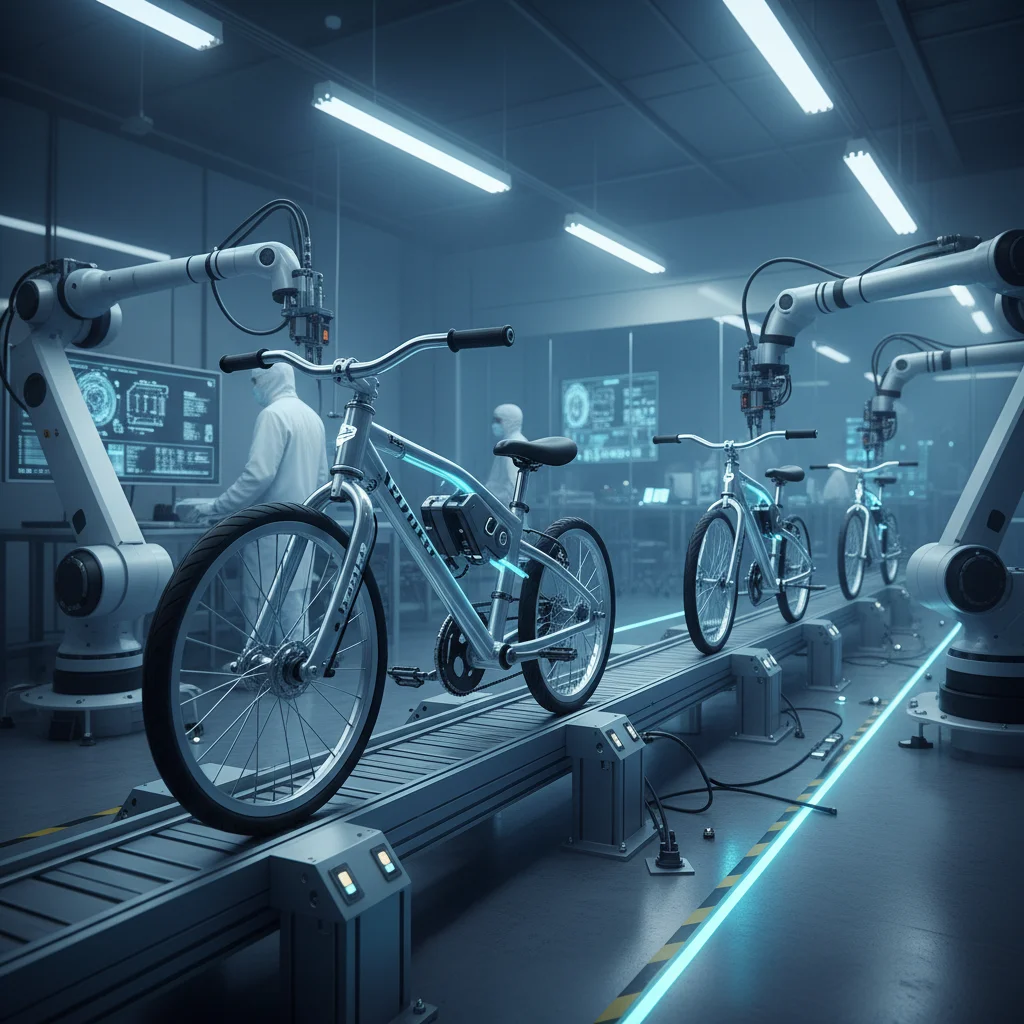
Look, these wholesale children bicycle… Honestly, everyone’s going electric these days, right? Even the little ones want those fancy e-bikes. It's a bit much, if you ask me. But demand is demand. I’ve been seeing a lot more focus on lighter frames, too. Parents don’t want to be lugging around a tank, and neither do the kids. It’s not just about weight though; it's about the alloys. They’re experimenting with everything…
Have you noticed how everyone jumps on the “aerodynamic” bandwagon? You’ll see these kids’ bikes with these weird, swoopy designs, and frankly, they look ridiculous. It’s a kid’s bike! They're not trying to win the Tour de France. What really matters is how durable it is, and I’ll tell you, chasing aesthetics often means sacrificing robustness.
And then there’s the whole geometry thing. Getting the standover height right is crucial. Too high, and the kid's scared to even get on. Too low, and they’re scraping their knees. Simple stuff, but so many designs get it wrong. You wouldn't believe the number of returns I’ve seen because of that one thing.
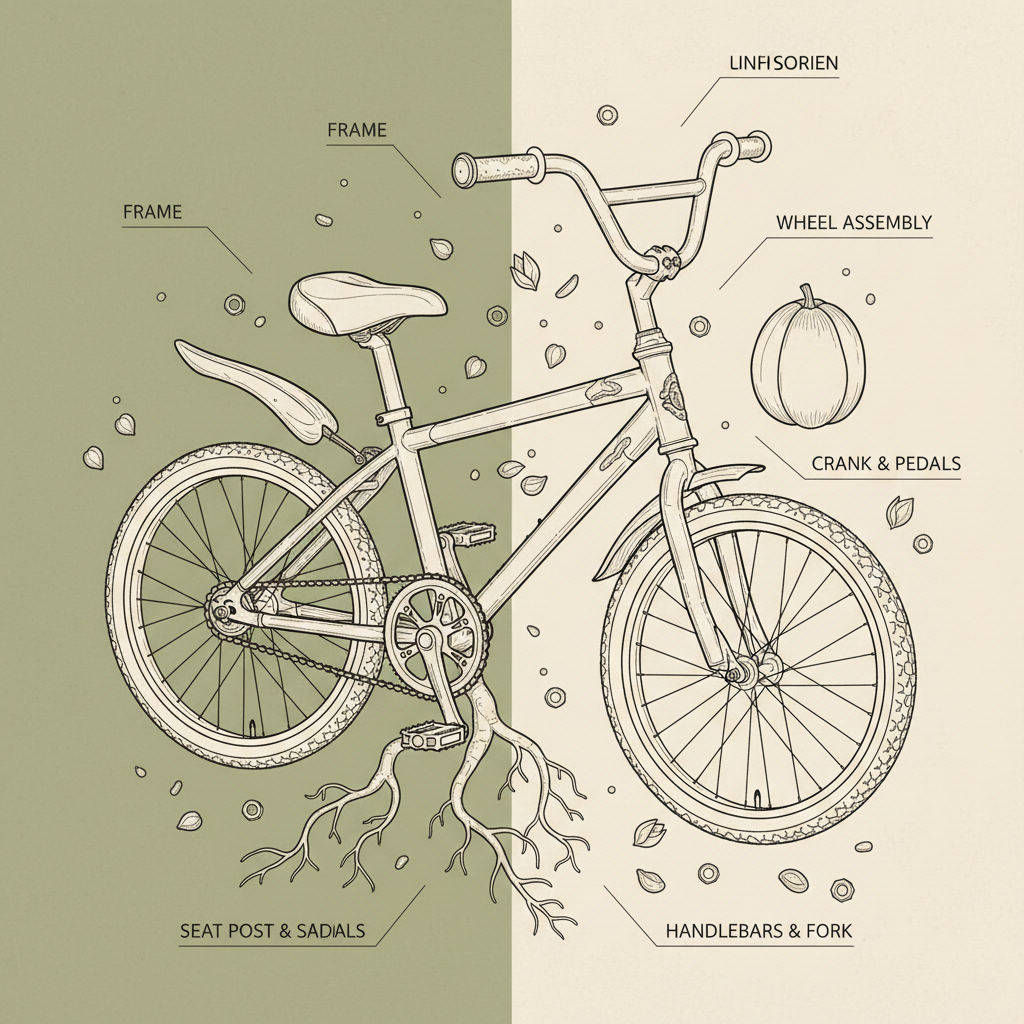
The Current Landscape of Wholesale Children Bicycle
The market’s flooded with these things, mostly coming from China, let's be honest. They’re pushing for lighter materials – aluminum alloys are huge, but you’re seeing more carbon fiber creeping in, even on the mid-range stuff. It's a balancing act, though. Carbon looks great, feels light, but when a kid crashes (and they will crash) it tends to shatter rather than bend. That's a safety concern.
And it’s not just the frames. The component quality varies wildly. You get what you pay for, obviously, but a lot of suppliers are trying to cut corners. Cheap plastic pedals, rusty chains, brakes that barely work… I encountered this at a factory in Guangdong last time, they were trying to pass off some seriously sub-par brakes as “meeting safety standards.” It was a mess.
Design Pitfalls and Common Mistakes
Strangely enough, the biggest issue I see isn’t complexity, it’s overthinking. These designers try to get too clever. They add features kids don’t need, make the frames too intricate, and generally complicate things. A simple, durable design is almost always better. I swear, sometimes I look at these bikes and think, “Who designed this? Someone who’s never actually seen a kid ride a bike?”
Another thing: cable routing. Internal cable routing looks sleek, sure, but it's a nightmare to repair. When a cable snaps, you’ve got to take half the bike apart. External routing is simpler, more reliable, and a lot easier for a parent to fix.
And the quick-release mechanisms? Often they’re poorly made and can come loose unexpectedly. I’ve seen a few near-misses with those. It's all about finding that sweet spot between functionality and simplicity.
Material Selection and Handling
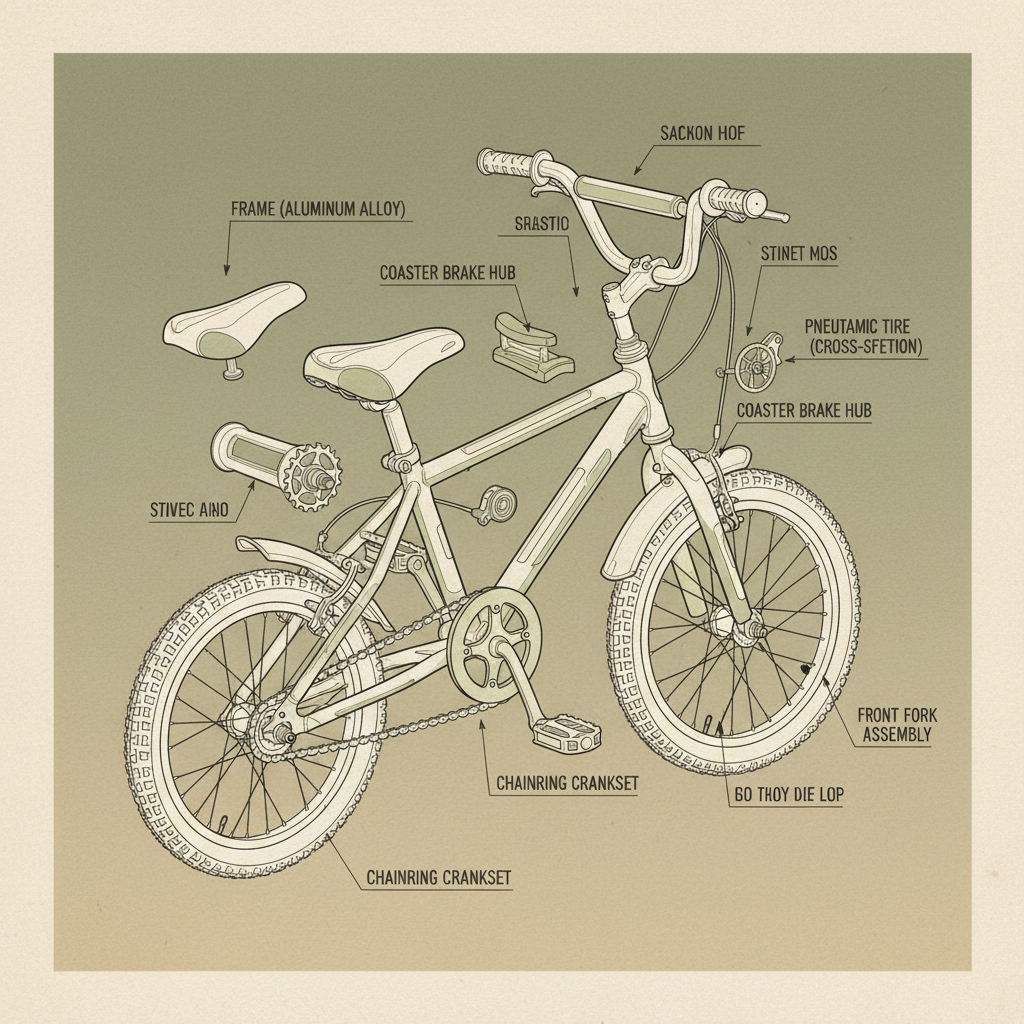
Aluminum, that’s your workhorse. 6061 is pretty standard. It’s lightweight enough, strong enough, and relatively easy to work with. You can smell the machining oil on it when it arrives at the factory, that's a good sign. Means they're actually working the metal. The cheaper stuff smells…off, like it's just been sitting in a warehouse for years.
Steel is still used, particularly for the forks and some of the smaller components. It’s heavier, but it's incredibly durable. And it feels…substantial. You can tell it'll take a beating. I prefer chromoly steel; it's got a good balance of strength and weight, plus it’s more resistant to corrosion.
The plastics are a different story. ABS is common for the fenders and chain guards. It’s cheap and reasonably durable, but it gets brittle in the cold. Polypropylene is used for some of the more flexible parts. It's tougher, but it doesn't hold its shape as well. Anyway, I think you need a good feel for the materials to understand what's good and what isn’t.
Real-World Testing and Quality Control
Lab tests are fine, but they don’t tell you the whole story. You need to see these bikes actually being used. I've pushed these bikes down hills, had kids jump on them, deliberately tried to break them. The engineers hate it, but it’s the only way to be sure.
We do a lot of fatigue testing. We put the frames in a rig that simulates thousands of miles of riding, and we look for cracks and stress points. It's boring as heck to watch, but crucial.
Wholesale Children Bicycle Component Failure Rates
How Children Actually Use These Bikes
This is where things get interesting. You design a bike for a certain purpose, but kids will always find a way to use it differently. They’ll ride it on grass, on gravel, down stairs (don’t ask). They’ll try to do wheelies. They’ll treat it like a tank. You have to design for that.
I've noticed they're less interested in gears than you'd think. They mostly just want to pedal fast. And they're surprisingly hard on the handlebars. They'll lean on them, pull on them, use them as levers. It's relentless.
Advantages, Disadvantages, and Customization
The biggest advantage of these wholesale children bicycle is the price point. You can get a decent bike for a reasonable amount of money. But, as I said before, quality can vary. You need to be careful about where you source them from.
Customization is possible, to a degree. You can change the colors, the decals, the handlebars, the seat. Last month, that small boss in Shenzhen who makes smart home devices insisted on changing the interface to for the lights and the electronic horn… the result was a disaster. The kids just ripped the cables out. They wanted USB-A; it’s just more robust. The point is, don't overcomplicate things.
A Customer Story and Practical Insights
I worked with a school in rural Indonesia last year. They needed a fleet of bikes for their students to get to school. They were dealing with rough terrain, so durability was paramount. We went with a simple steel-frame bike, with wide tires and sturdy brakes. No fancy features, just reliable performance.
The kids absolutely loved them. And they lasted. I went back six months later, and the bikes were still going strong, despite the abuse they were taking. That’s when you know you’ve got a good product.
It’s not about fancy materials or cutting-edge designs. It’s about understanding what the bikes will actually be used for, and building something that can withstand that.
Key Considerations for Wholesale Children Bicycle Selection
| Frame Material |
Brake System Reliability |
Component Durability Score (1-10) |
Typical Lifespan (Years) |
| Aluminum Alloy 6061 |
V-Brakes |
7 |
3-5 |
| Steel (Chromoly) |
Coaster Brakes |
9 |
5-7 |
| Carbon Fiber (Entry-Level) |
Disc Brakes |
6 |
2-4 |
| Aluminum Alloy 7005 |
V-Brakes |
8 |
4-6 |
| Steel (High-Tensile) |
Band Brakes |
5 |
2-3 |
| Carbon Fiber (Mid-Range) |
Disc Brakes |
7.5 |
3-5 |
FAQS
Honestly, it's focusing too much on looks and not enough on durability. Those flashy designs are nice, but a kid is going to drop it, crash it, and generally abuse it. You need something that can take a beating. And don’t be fooled by low prices; cheap components will fail quickly.
Crucial. Absolutely crucial. Kids don’t have the hand strength or coordination to properly operate complex brake systems. Simple, reliable V-brakes or coaster brakes are the way to go. And make sure they’re properly adjusted. Nothing worse than brakes that don’t work when you need them to.
Get a sample and beat it up. Seriously. Ride it hard, drop it, try to break it. Check the welds, the brakes, the tires. If it fails under basic stress, imagine what it will be like after a few months of real-world use. It’s worth the time and effort, trust me.
Check the manufacturer's sizing chart. It's not always accurate, so consider getting a range of sizes to test. Standover height is key – the child should be able to stand over the frame with at least an inch of clearance. A bike that’s too big or too small is just dangerous.
Usually, yes, but there’s typically a minimum order quantity for customization. Some suppliers will let you choose from a pre-set range of colors, while others will allow you to specify your own. Adding a logo usually involves a screen-printing or decal process. Be realistic about the cost, though; customization adds to the price.
Look for certifications like CE (European Conformity) and ASTM (American Society for Testing and Materials). These certifications indicate that the bike meets certain safety standards. Don't just take the supplier's word for it; ask for proof of certification.
Conclusion
Ultimately, wholesale children bicycle are about providing kids with a safe and enjoyable way to get around. It's about building something that can withstand the rigors of childhood, and something that parents can trust. It's not about fancy features or cutting-edge technology; it’s about simplicity, durability, and reliability.
And remember, whether this thing works or not, the worker will know the moment he tightens the screw. You can spend all day in a lab testing materials, but at the end of the day, it’s the guys on the ground who really know what’s what. Listen to them. They'll tell you what's good, what's bad, and what needs to be improved. And if you’re looking for a reliable supplier, check out wholesale children bicycle. They know their stuff.