Alright, let's talk speed. For anyone with a competitive streak, or even just a deep love for the open road and the thrill of going fast, the quest for the ultimate professional racing bikes for sale is a journey filled with excitement and, let's be honest, a fair bit of technical jargon. But don't worry, I'm here to cut through the noise and help you navigate this exhilarating market.
The Shifting Tides: Industry Trends in Racing Bikes
The world of professional racing bikes for sale is constantly evolving. In recent years, we've seen a massive push towards aerodynamics, integrated components, and, surprisingly for some, a resurgence in disc brakes even for the most weight-conscious racers. Carbon fiber frames still dominate the high-end, offering incredible stiffness-to-weight ratios, but advancements in alloy technology mean that a well-engineered aluminum frame can offer fantastic performance and durability without breaking the bank. Actually, many riders are finding that modern alloy bikes are incredibly responsive and a joy to ride. This blend of performance and value is a big trend, particularly for those looking to get into racing without mortgaging their house.
Technical Deep Dive: What Makes a Racing Bike Tick?
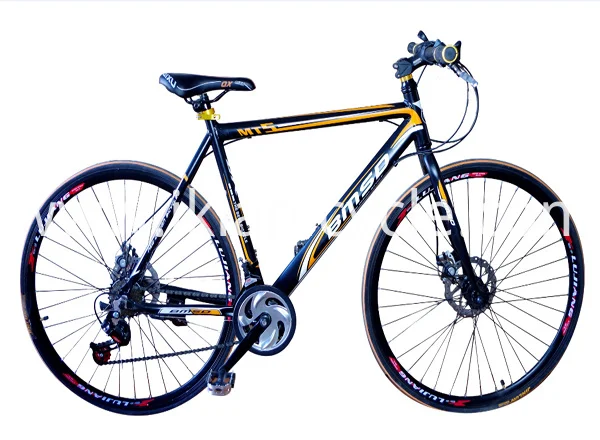
When you're looking at professional racing bikes for sale, the devil is really in the details. It's not just about the frame material, though that's a huge part of it. We're talking about everything from the groupset (gears, brakes, shifters) to the wheelset, and even the small things like tire clearance. For instance, consider the Racing Alloy Frame Bicycle Road bike. It's built on a robust alloy frame, which means it's often more resilient to everyday knocks and still offers a snappy ride feel. The manufacturing process for such frames typically involves advanced hydroforming techniques to optimize tube shapes for stiffness and compliance, followed by precise TIG welding to ensure structural integrity. After welding, frames undergo heat treatment to strengthen the aluminum, and then a multi-layer painting process, often with an electro-coating primer for corrosion resistance, topped with vibrant colors and clear coats. This meticulous process ensures a long service life, typically 5-10 years or more under regular racing conditions, adhering to standards like ISO 4210 for safety and durability.
Product Specification: Racing Alloy Frame Bicycle
Feature | Specification |
Frame Material | High-Strength Alloy (e.g., 6061 T6) |
Fork Material | Alloy or Carbon (depending on model) |
Brakes | Rim Brakes (Caliper) or Mechanical/Hydraulic Disc Brakes |
Groupset | Shimano Claris/Sora or similar, 2x8 / 2x9 Speed |
Wheelset | Double-wall Alloy Rims, Quick Release Hubs |
Weight (approx.) | ≈ 10.5 - 12 kg (real-world use may vary) |
Tire Clearance | Up to 28mm |
Usage Scenarios | Commuting, training, entry-level racing, group rides |
Choosing Your Ride: Vendor Comparison & Customization
When it comes to sourcing professional racing bikes for sale, the market is vast. You've got the big global brands, of course, but also smaller, niche manufacturers who offer incredible value or highly specialized options. Many customers, especially those new to racing bike types, often gravitate towards established names for their warranty and dealer network, which is understandable. However, OEM/ODM manufacturers, like the one producing the Racing Alloy Frame Bicycles, often provide fantastic platforms for custom racing bike projects, allowing for unique color schemes, branding, and component choices. It's a great way to get exactly what you want.
Racing Bike Vendor Comparison (General)
Vendor Type | Pros | Cons | Ideal For |
Large Global Brands | Extensive R&D, wide dealer network, established reputation | Higher racing bike price points, less customization freedom | First-time buyers, those valuing brand assurance |
OEM/ODM Manufacturers | Competitive pricing, strong customization options, direct communication | Requires more buyer knowledge, potentially longer lead times | Businesses, experienced riders wanting custom builds, value seekers |
Customer feedback often highlights the incredible value offered by brands that focus on the core components and offer customization. It seems that riders today truly appreciate having a bike that not only performs but also expresses their personality. For example, a "colorful Racing Alloy Frame Bicycle" allows for visual flair, which, let's be honest, is a nice bonus when you're lining up at the start line!
Final Thoughts: Getting on the Road
Whether you're aiming for the podium or just want to feel the wind in your hair on a fast group ride, the right racing bike can make all the difference. Advantages include improved power transfer, sharper handling, and, of course, outright speed. Always look for bikes that meet international safety standards, such as ISO 4210 for cycling safety, and if you're serious about racing, ensure the frame is UCI-approved if that's a requirement for your chosen events. The long-term durability of an alloy frame, combined with modern componentry, offers a compelling package for a wide range of riders.
To be honest, the best way to choose is to test ride a few different options if you can. Feel the difference in the saddle, listen to what your body tells you, and then, armed with the knowledge we've discussed, make that informed decision. Happy riding!
Authoritative Citations:
1. International Organization for Standardization. (2014). ISO 4210-2:2014 Cycles – Safety requirements for bicycles – Part 2: Requirements for city and trekking, young adult, mountain and racing bicycles.
2. Union Cycliste Internationale (UCI). (n.d.). Materials and structure of bicycles. Retrieved from https://www.uci.org/
3. Bicycle Retailer and Industry News (BRAIN). (Ongoing reports on industry trends).