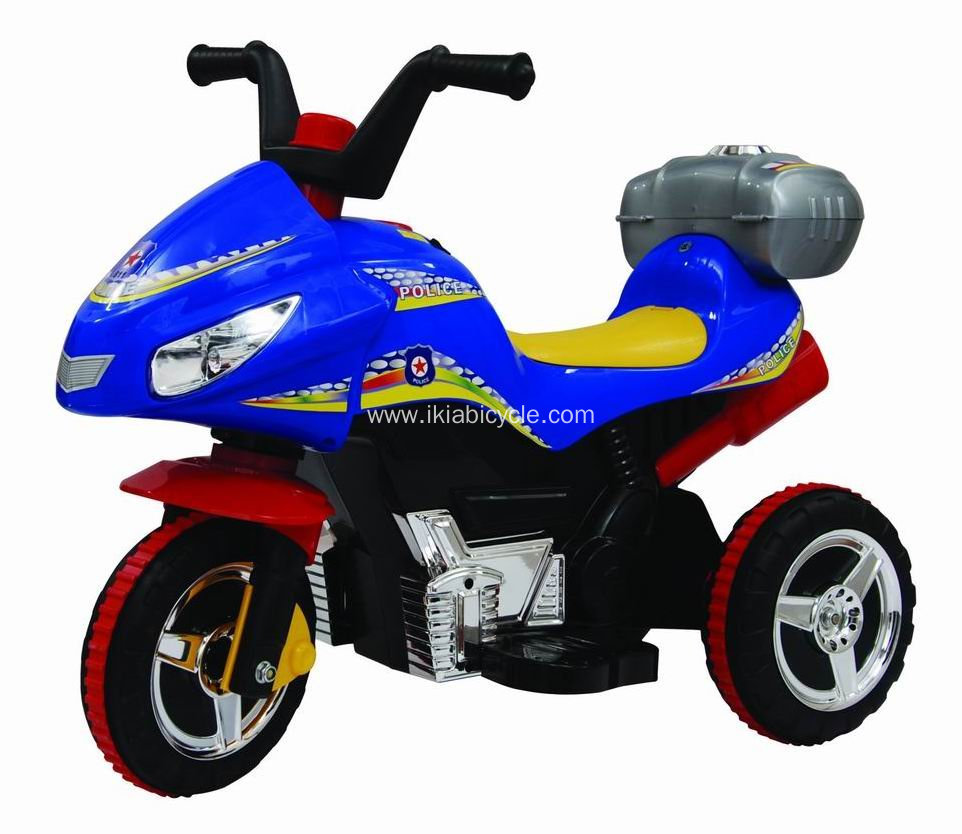
Choosing the Right Walking Tricycle for Kids: A Comprehensive Guide
Selecting the perfect walking tricycle for kids can be a delightful but daunting task. There's a wide range of options available, each with its own features and benefits. This guide will walk you through everything you need to know, from understanding the developmental benefits to choosing the right model for your little one. We’ll cover safety considerations, features to look for, and how to ensure your child has a fun and secure riding experience. Investing in a quality tricycle is an investment in your child’s gross motor skills, coordination, and independence.
The Benefits of Walking Tricycles for Toddlers
Walking tricycles are more than just toys; they are valuable tools for early childhood development. They help toddlers develop crucial gross motor skills, like pedaling and steering, enhancing their coordination and balance. These tricycles encourage active play, contributing to physical health and preventing sedentary habits. Importantly, they foster a sense of independence and self-confidence as children learn to move and explore on their own. Unlike traditional ride-on toys, walking tricycles require active engagement, promoting strength and stamina. The act of pedaling also introduces the concept of cause and effect, strengthening cognitive development. You can find a great selection of models at Ikia-Tanda.
Key Benefits: Enhanced coordination, development of gross motor skills, promotion of active play, increased independence and confidence, and cognitive development through cause and effect.
Choosing the Right Walking Tricycle: Factors to Consider
When choosing a walking tricycle, several factors come into play. First, consider your child’s age and developmental stage. Younger toddlers (around 18 months) may benefit from a low-to-the-ground model with a wide wheelbase for stability. Older toddlers (2-3 years) can handle a tricycle with adjustable features and a more traditional design. Safety is paramount – look for features like a sturdy frame, non-slip pedals, and a limited steering range to prevent tipping. The tricycle's weight is also important; a lightweight model is easier for toddlers to maneuver. Finally, consider the tricycle's durability and construction quality to ensure it can withstand enthusiastic play. Ikia-Tanda’s selection offers a range of options to suit different needs and budgets.
Key Considerations:
• Age and developmental stage of your child
• Safety features (sturdy frame, non-slip pedals, limited steering)
• Tricycle weight and maneuverability
• Durability and construction quality
Walking Tricycle vs. Balance Bike: Which is Better?
Many parents wonder whether a walking tricycle or a balance bike is the better choice. Both offer distinct benefits. Walking tricycles provide a more gradual introduction to pedaling, helping toddlers develop leg strength and coordination. Balance bikes, on the other hand, focus solely on balance and steering, preparing children for pedal bikes without the complexity of pedaling. For younger toddlers or those who are hesitant to pedal, a walking tricycle is often a good starting point. Balance bikes are excellent for children who quickly grasp the concept of balancing. Ultimately, the best choice depends on your child’s individual development and preferences. We provide both at Ikia-Tanda so you can compare!
| Feature |
Walking Tricycle |
Balance Bike |
| Pedaling |
Requires pedaling |
No pedaling |
| Focus |
Pedaling, coordination, strength |
Balance, steering |
| Recommended Age |
18 months - 3 years |
2 - 5 years |
| Skill Preparation |
Pedaling a bicycle |
Riding a pedal bicycle |
Safety First: Essential Tips for Tricycle Riding
Safety should always be your top priority. Always supervise your child while they are riding. Ensure they wear a properly fitted helmet. Choose a riding area that is flat, smooth, and free of obstacles. Teach your child basic safety rules, such as looking both ways before “steering” and keeping their hands and feet on the tricycle. Regularly inspect the tricycle for any loose parts or damage. Remember, a safe riding environment is a fun riding environment. At Ikia-Tanda, we prioritize safety and offer products that meet rigorous safety standards.
Ikia-Tanda Walking Tricycle Models: A Quick Overview
At Ikia-Tanda, we offer a diverse range of walking tricycles designed to suit different ages and skill levels. Our Classic Tricycle features a sturdy steel frame and adjustable seat, perfect for younger toddlers. The Deluxe model boasts enhanced features like a comfortable padded seat and a stylish design. For adventurous riders, the Explorer Tricycle offers increased stability and a wider wheelbase. All our tricycles are rigorously tested to ensure safety and durability.
| Model |
Age Range |
Key Features |
| Classic Tricycle |
18-24 months |
Sturdy steel frame, adjustable seat, wide wheelbase |
| Deluxe Tricycle |
2-3 years |
Padded seat, stylish design, adjustable height |
| Explorer Tricycle |
2.5-4 years |
Increased stability, wider wheelbase, durable construction |
Conclusion: A Great First Ride with Ikia-Tanda
Choosing the right walking tricycle for kids is an exciting step in your child’s development. At Ikia-Tanda, we’re committed to providing safe, durable, and fun tricycles that will help your little one build confidence and skills. Browse our selection today and give your child the gift of active play!
Frequently Asked Questions (FAQs)
What age is a walking tricycle appropriate for?
Walking tricycles are generally suitable for toddlers aged 18 months to 3 years. However, the ideal age depends on your child’s individual development. Look for signs that your child is able to sit upright independently, has good leg strength, and shows an interest in moving around on their own. It's important to choose a tricycle that is appropriately sized for your child – their feet should be able to comfortably reach the pedals. We offer a variety of models at Ikia-Tanda suitable for different stages.
How can I ensure my child’s safety while they’re riding?
Always supervise your child while they're riding. Ensure they wear a properly fitted helmet. Choose a safe riding area – flat, smooth, and free of obstacles. Teach them basic safety rules, like looking both ways and keeping their hands and feet on the tricycle. Regularly inspect the tricycle for loose parts. A secure and controlled environment is key to a safe and enjoyable riding experience.
What is the weight limit for Ikia-Tanda walking tricycles?
The weight limit for our walking tricycles varies by model. The Classic Tricycle supports up to 25 kg (55 lbs), the Deluxe Tricycle up to 30 kg (66 lbs), and the Explorer Tricycle up to 35 kg (77 lbs). It’s important to adhere to the weight limit to ensure the tricycle's stability and your child's safety. You can find specific weight limits on each product page at Ikia-Tanda.
How do I store a walking tricycle?
Store your child's walking tricycle in a dry, sheltered area, away from direct sunlight and extreme temperatures. This will help prevent the plastic parts from becoming brittle and the metal components from rusting. If possible, store it indoors, such as in a garage or shed. Regular cleaning with a damp cloth will also help maintain its condition.