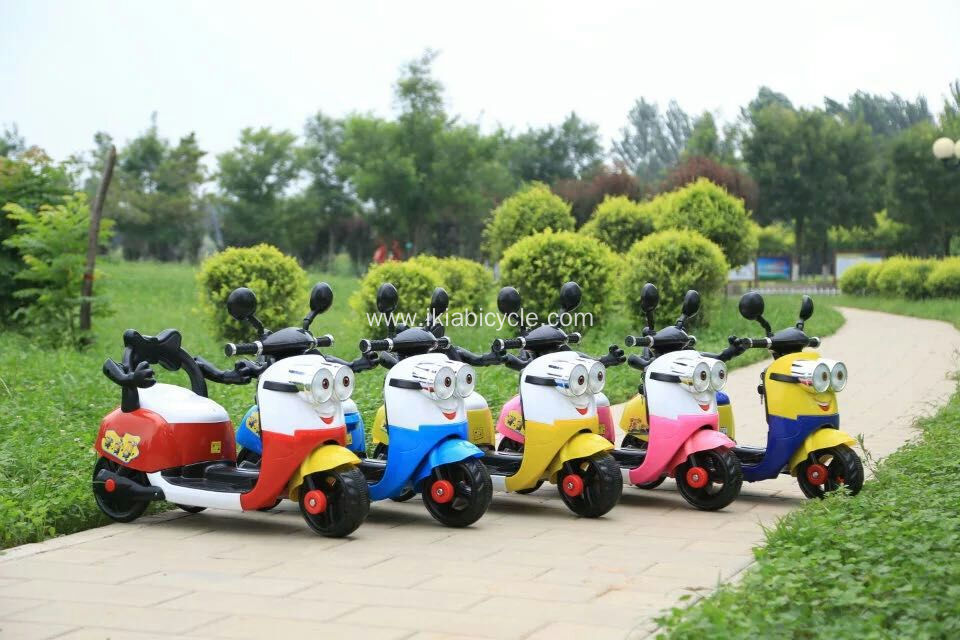
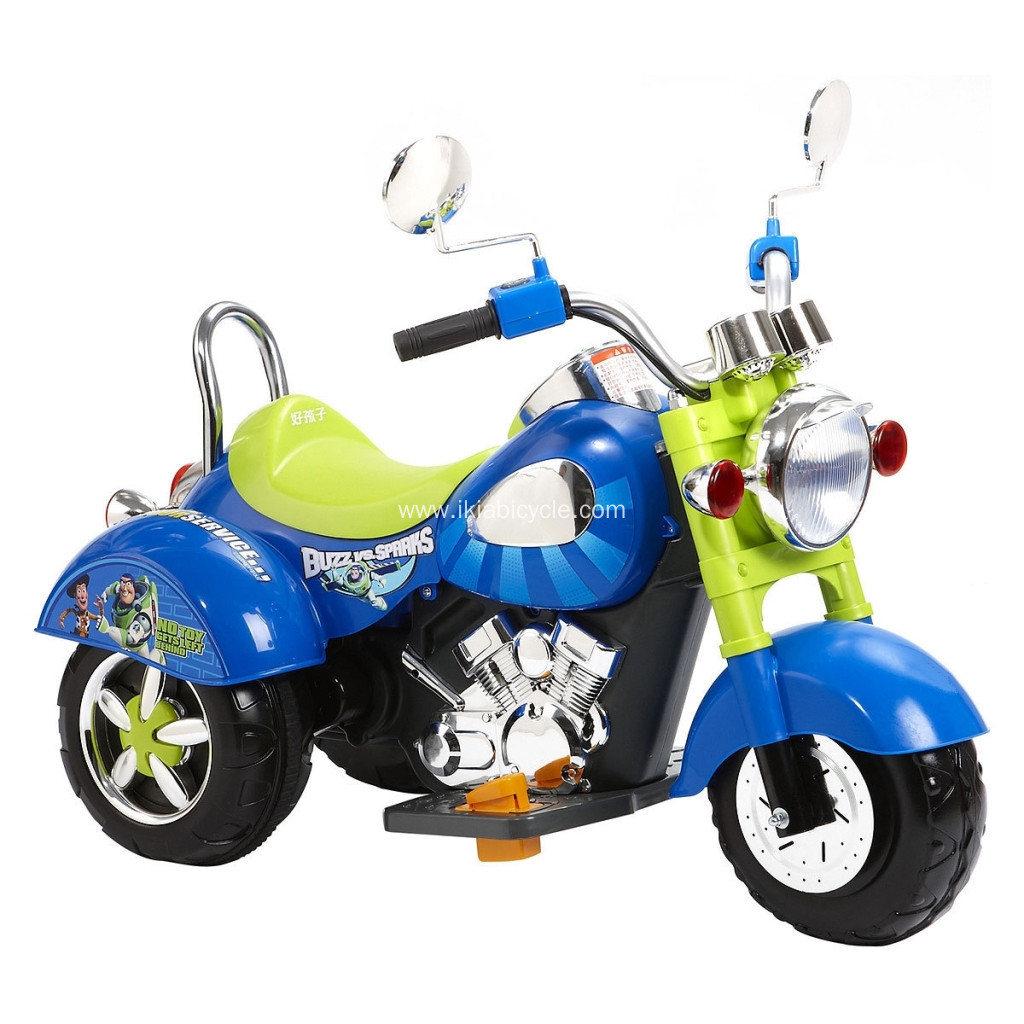
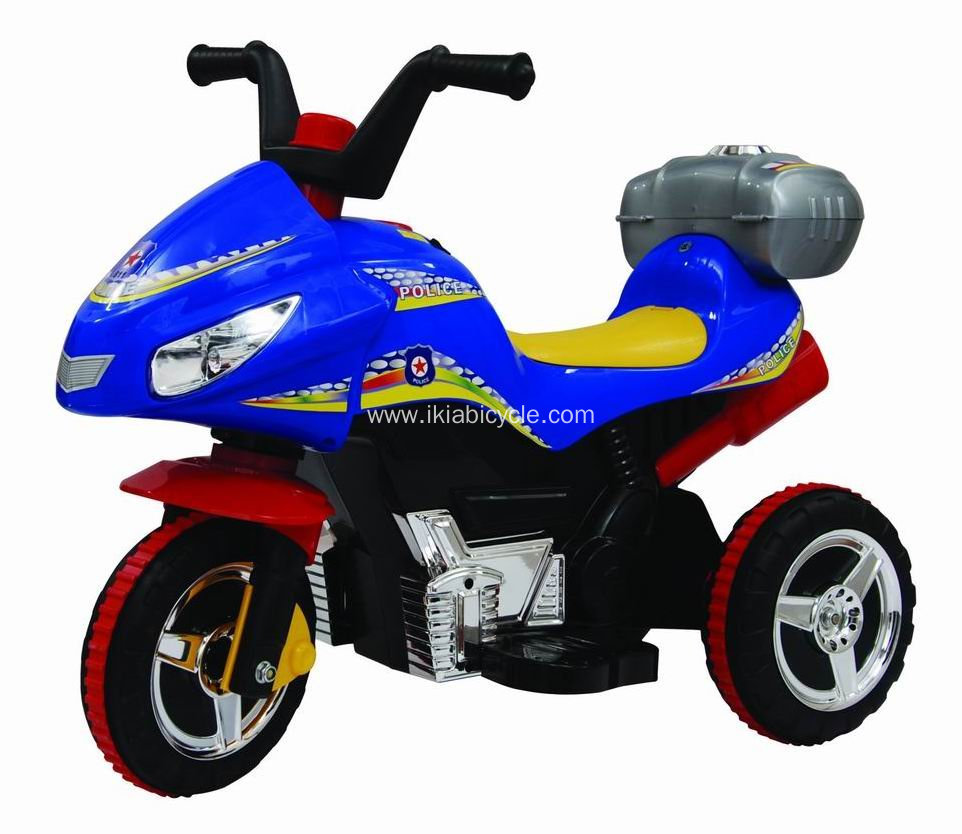
If you spend enough time around family retailers or playground rental operators, you’ll hear the same thing: the line between toy and tiny vehicle is blurring. That’s exactly where the E-car shines—part fun machine, part dependable little workhorse for kids’ mobility play. Originating from No.158 Huaian East Road, Yuhua District, Shijiazhuang, Hebei, this Kids Electric Battery Powerd Ride on Car is, to be honest, more thoughtfully engineered than many expect.
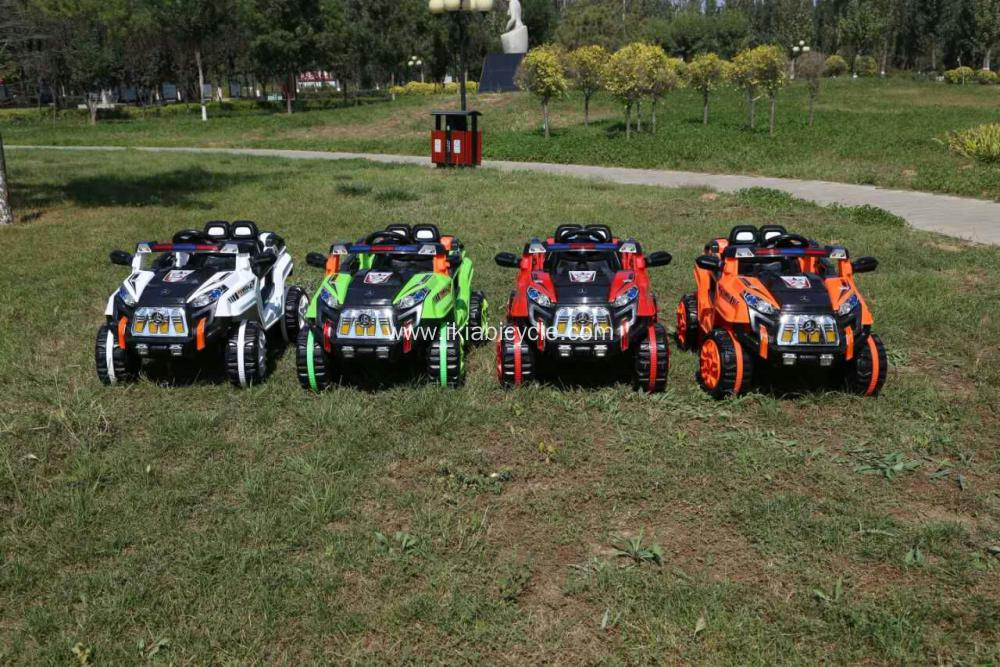
Industry trends and where this fits
Battery ride-ons have moved from novelty to staple. Parents want safe speed (not too fast), decent runtime, and—surprisingly—easy parts availability. Rental fleets in malls and parks now prefer swappable battery packs and PP plastics that don’t scuff easily. In fact, many customers say they look for cars with metal gearboxes and real braking curves because kids feel the difference.
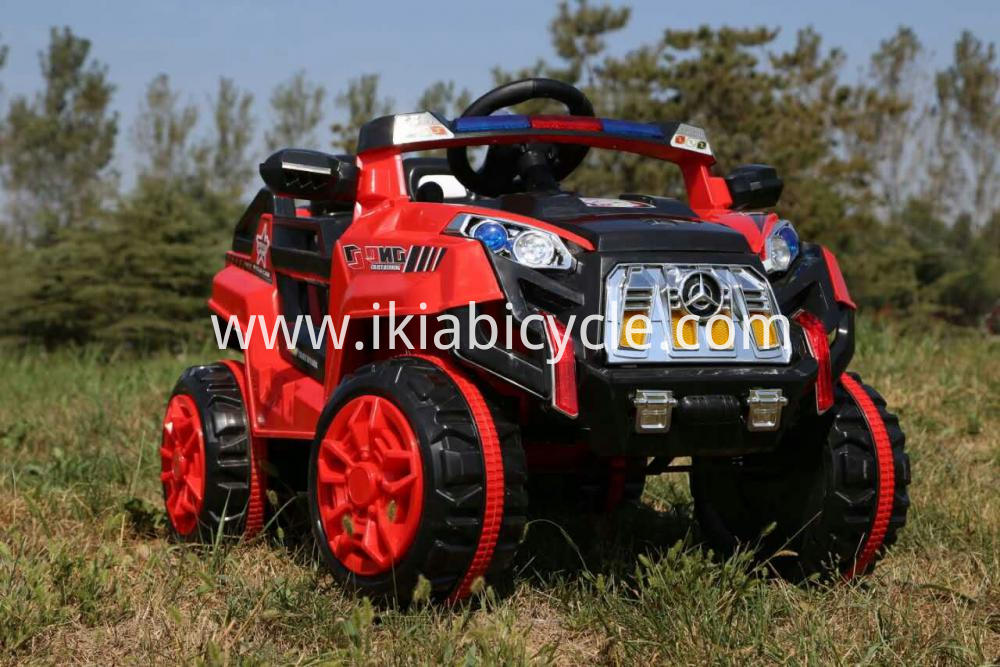
Technical snapshot
| Model |
Kids Electric Battery Powerd Ride on Car |
| Battery |
12V 7–10Ah SLA or 12V Li-ion (optional, ≈300–500 cycles) |
| Motors |
2 × 35–45W hub/gear motors, real-world use may vary |
| Speed |
≈3–6 km/h, parental lock available |
| Runtime |
45–90 min (terrain, weight, temperature affect results) |
| Load/Size |
Up to ~30 kg; compact single-seater dimensions |
| Materials |
PP body, steel frame inserts, PU/PP wheels |
| Safety |
Seatbelt, soft start/stop, overcurrent protection |
| Certs (typ.) |
EN 71, ASTM F963, EMC/RED where applicable |
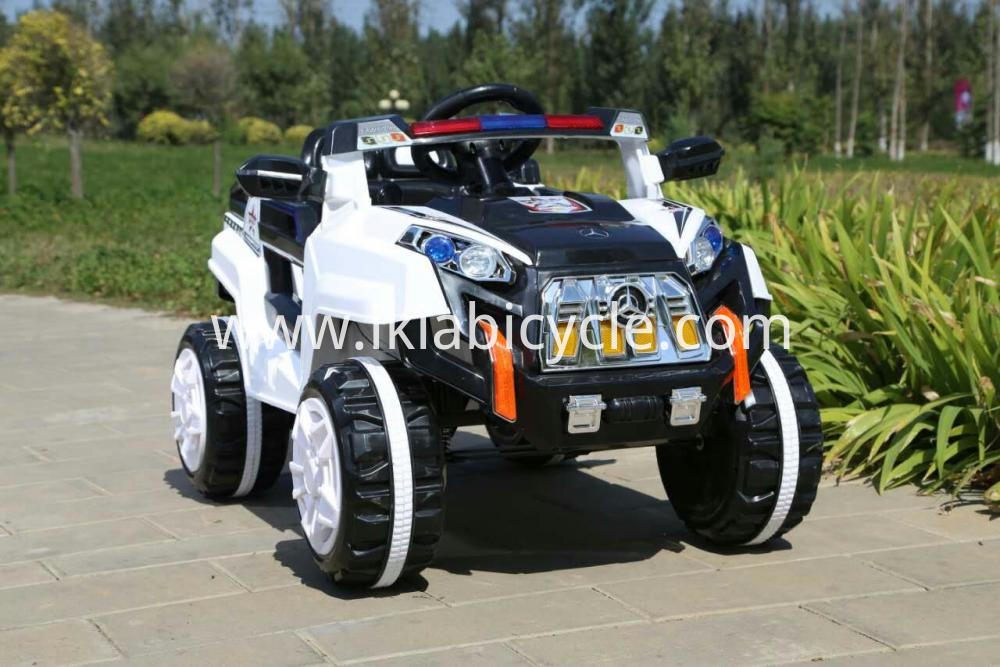
Process flow, testing, and service life
- Materials: UV-stabilized PP shells, steel brackets, RoHS-compliant wiring, child-safe pigments.
- Methods: injection molding, spot welding, conformal-coated PCBs, torque-calibrated assembly.
- Testing: load test (1.25× rated load), slope test (≈5–8°), battery UN 38.3, EMC to EN 55014, toy safety to EN 71/ASTM F963.
- Service life: ≈2–3 years typical family use; battery ≈300–500 cycles depending on charge habits.
- Industries: retail toy chains, playground rentals, daycare fleets, events/party planners.
Where a E-car makes sense
Backyard paths, indoor malls, community fairs, even themed birthday parties. Operators like the remote control override; parents love the soft acceleration that doesn’t jerk kids forward. I guess that’s the subtle value you notice after a few rides.
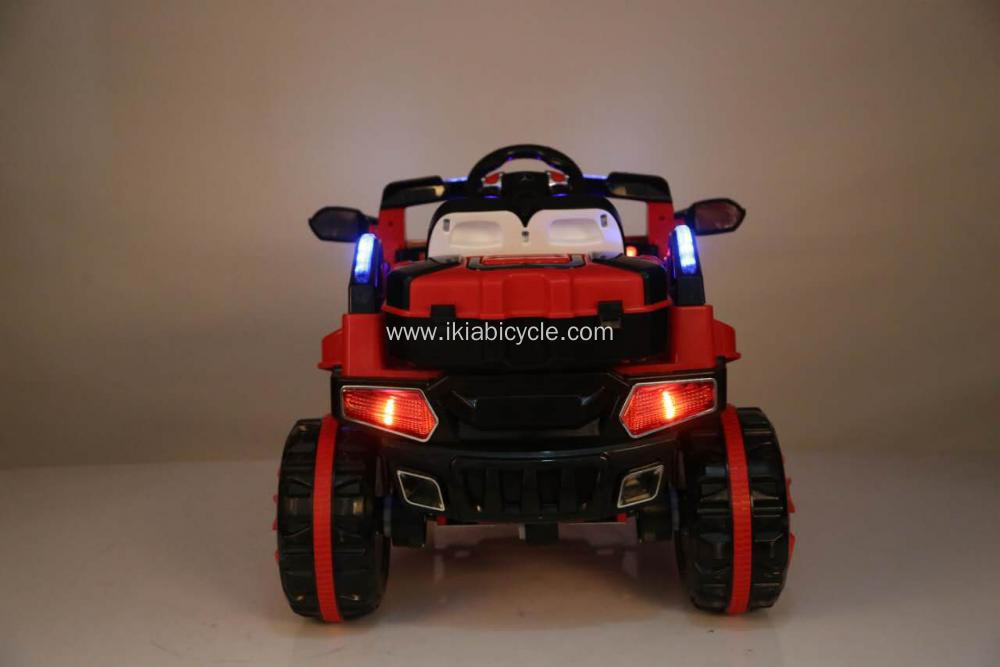
Real-world test data (sample)
- Max continuous speed: 5.2 km/h (avg rider 20 kg, asphalt, 22°C).
- Runtime: 62 min (12V 7Ah SLA), 78 min (12V Li-ion ≈8Ah).
- Gradeability: 6° sustained, short bursts to ~8°.
- Noise: 61–64 dBA at 1 m on rough tiles (within family-safe comfort).
Vendor comparison (indicative)
| Vendor |
Lead Time |
Cert Scope |
Customization |
After-sales |
|---|
| Ikia Tanda (Hebei) |
≈25–35 days |
EN 71, ASTM, UN 38.3 |
Colors, logos, battery/motor options |
Spare parts + remote support |
| Vendor B (Guangdong) |
≈30–40 days |
EN 71 |
Cosmetic only |
Parts on request |
| Vendor C (Importer) |
Stock-based |
Varies by lot |
Limited |
Retail warranty only |
Customization and add-ons
Common options: upgraded Li-ion pack, EVA foam wheels, stitched seat, Bluetooth/MP3, and a branded decal kit. For fleets, a quick-connect battery bay is worth it—swap in 30 seconds and keep those E-car rides rolling.
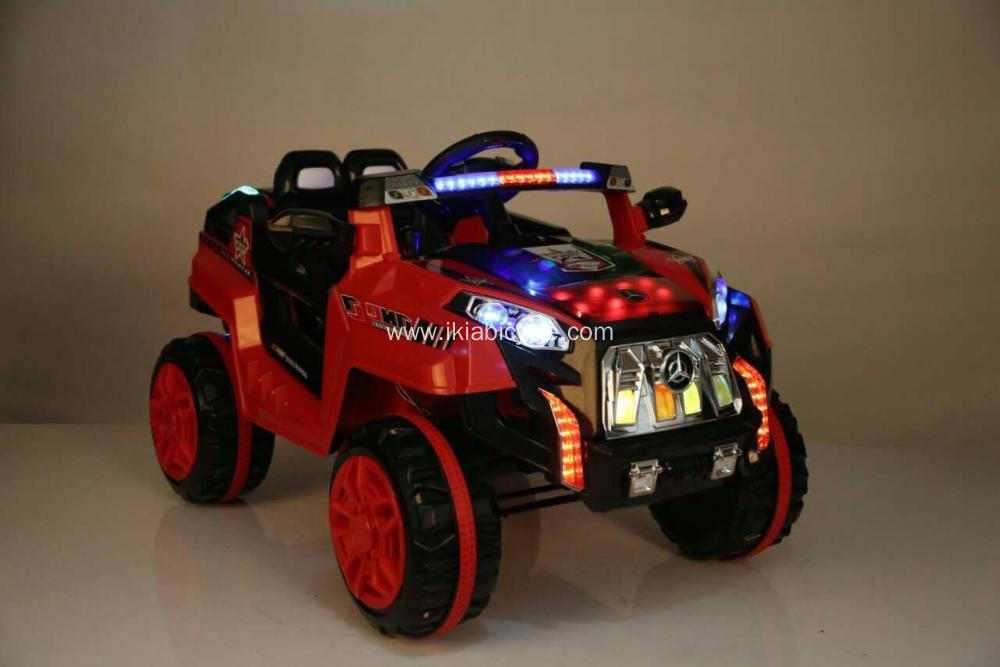
Case studies and feedback
- Mall rental (12 units): uptime 96% over 3 months; SLA to Li-ion upgrade extended sessions by ≈22%.
- Daycare program: soft-start reduced tip-in jolts; staff reported “noticeably calmer rides.”
Customer voices: “Surprisingly sturdy,” “Battery honest-to-goodness lasts a full afternoon,” and one parent admitted, “I had to pry my kid out for dinner.” Same story across several regions, it seems.
Certifications and standards to look for
Check each lot’s COA and testrpts: EN 71-1/2/3 for toy safety, ASTM F963 for US markets, UN 38.3 for battery shipping, IEC 62133 for cell safety, and EMC compliance for urban environments. A E-car that ticks these boxes is simply easier to import, insure, and resell.
Authoritative citations
- EN 71-1/2/3: Safety of Toys — Mechanical & Physical, Flammability, Chemical.
- ASTM F963: Standard Consumer Safety Specification for Toy Safety.
- UN 38.3: Recommendations on the Transport of Dangerous Goods, Lithium Battery Tests.
- IEC 62133-2: Secondary cells and batteries containing alkaline or other non-acid electrolytes — Safety requirements for portable sealed secondary lithium cells.
- ISO 9001:2015 Quality Management Systems.
- EU Toy Safety Directive 2009/48/EC.