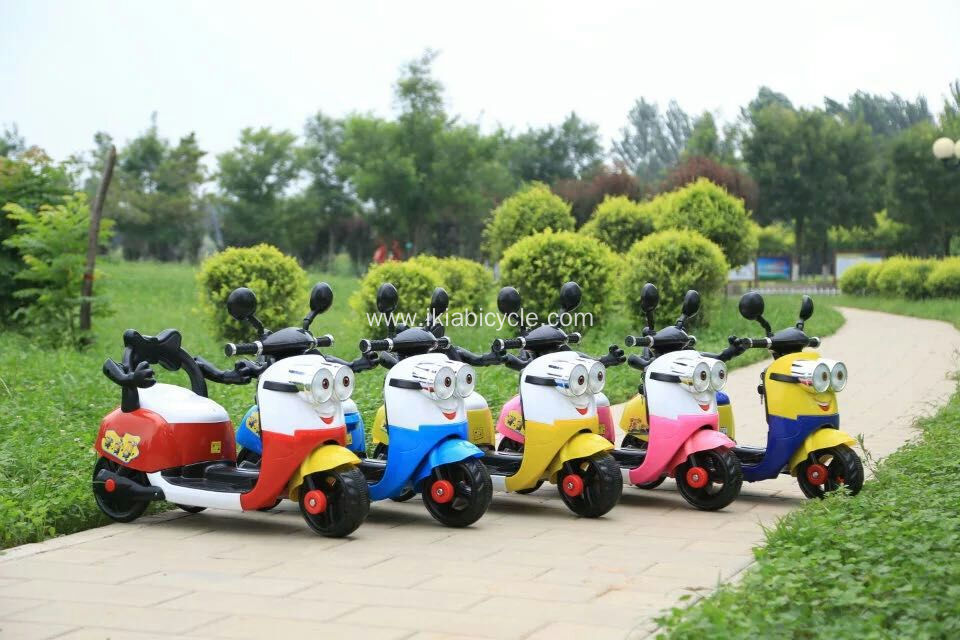
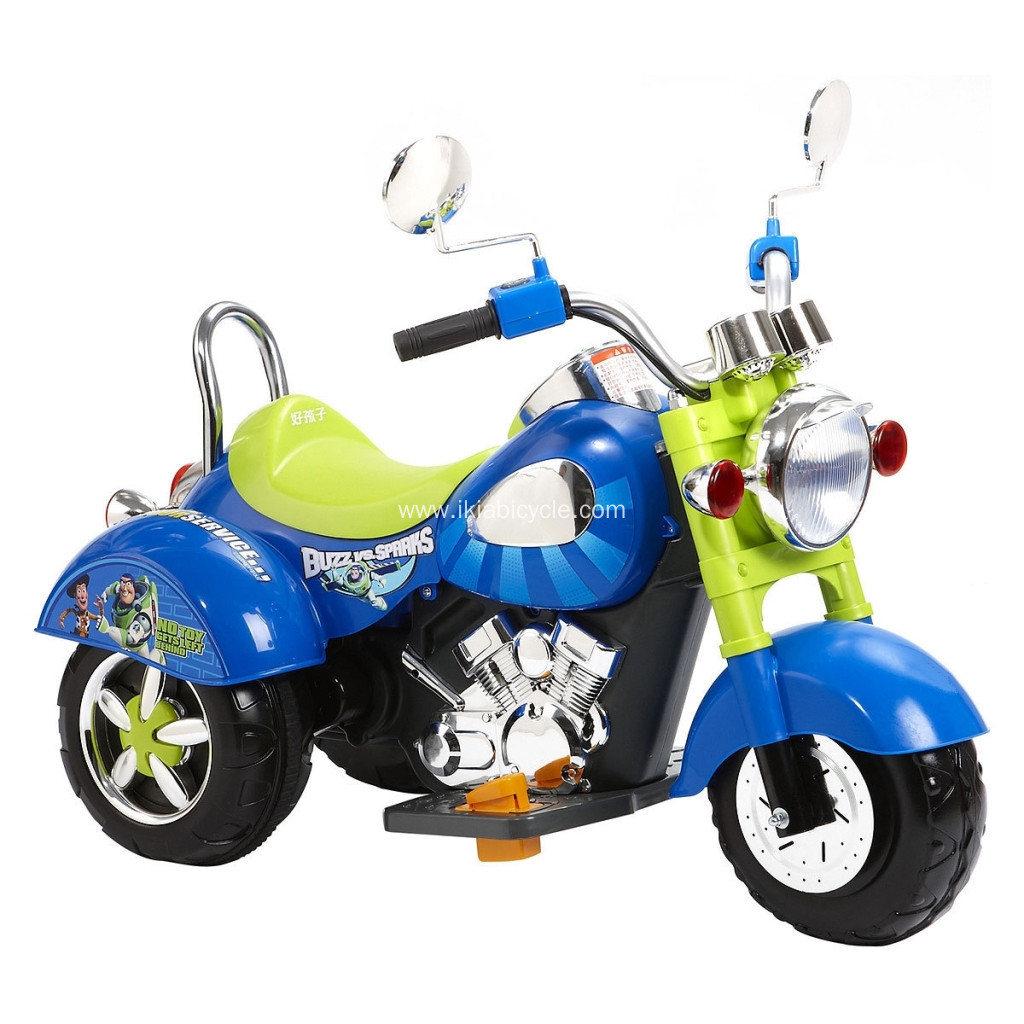
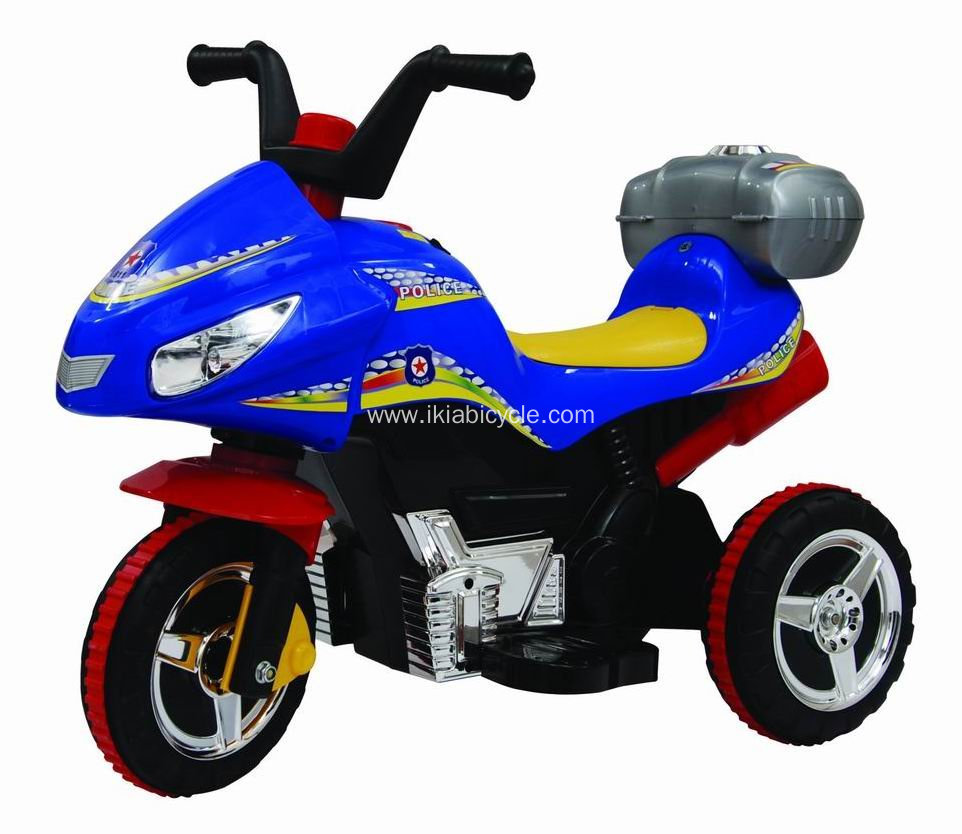
Kid Remote Control Battery Power Car: field notes from a fast-growing niche
If you’ve been watching the kids’ mobility segment, you already know it’s quietly booming. This e-car—formally the Kid Remote Control Battery Power Car—lands right in the sweet spot: parent-friendly controls, playful design, and the kind of durability retailers keep asking me about. Origin-wise, it’s produced out of No.158 Huaian East Road, Yuhua District, Shijiazhuang, Hebei, which, in fact, is a mature plastics-and-assemblies hub.
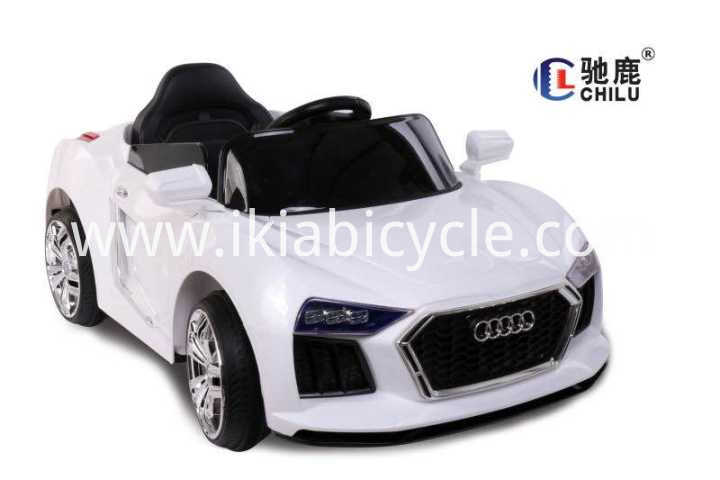
Market trends (and what parents really want)
Three themes dominate: safety, simplicity, and style. Buyers want a e-car that pairs a gentle “soft-start” with 2.4 GHz remote override, so mom or dad can steer when sidewalks get busy. Custom colors and brandable trims are also trending, surprisingly even for boutique daycares and mall operators. The broader push toward safer batteries and better EMC performance is real; many customers say they specifically ask about compliance paperwork now.
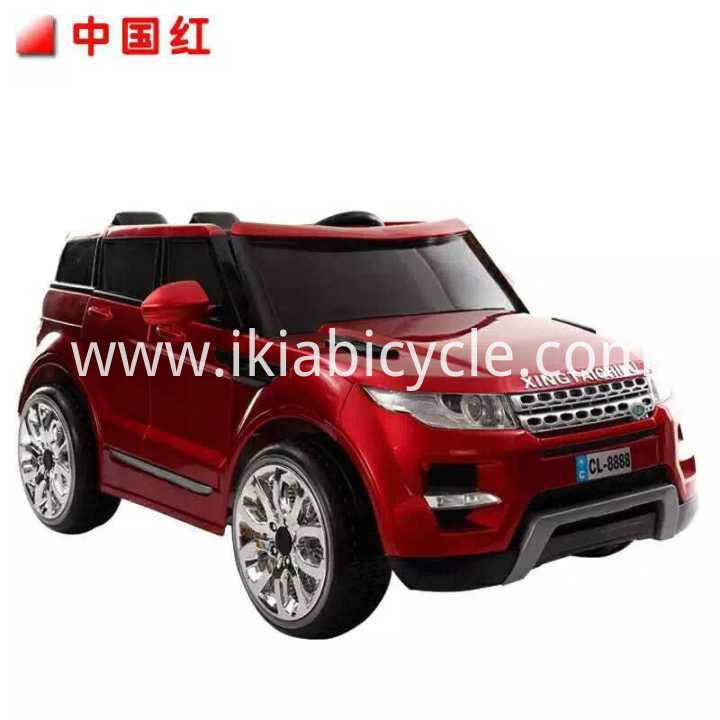
Typical specifications
Specs vary by configuration, but the common builds look like this (real‑world use may vary):
| Parameter |
Typical value (≈) |
Notes |
| Battery |
12V 7Ah SLA or 12V Li-ion option |
UN38.3 tested battery packs recommended |
| Motors |
2 × 25–35 W |
Dual drive for better traction |
| Speed |
≈3–6 km/h, 2-speed |
Parent remote override (2.4 GHz) |
| Run time |
≈45–90 min |
Rider weight and terrain dependent |
| Max load |
≈25–30 kg |
Single seat |
| Materials |
PP/ABS body, steel subframe |
UV-stable pigments on request |
| Charge time |
≈6–10 h |
Smart charger advised |
Process flow, testing, service life
Materials and methods: Injection-molded PP/ABS shells, welded steel subframe, crimped wiring harness with blade fuse, and conformal-coated controller. Assembly lines typically add torque-verified fasteners and functional testing (steering, brakes, radio link).
Testing standards followed by serious vendors include EN71 parts 1/2/3 (mechanical, flammability, chemicals), EN IEC 62115 (electric toys), ASTM F963 (US), EMC/FCC for the remote, and UN38.3 for batteries. Sample internal data I’ve seen: drop test from ≈50 cm (packaged) with no shell cracks; endurance loop of 10 km equivalent with 20 kg load; charger thermal rise within spec. Service life? With normal use, the frame/shell will outlast the battery; SLA packs often manage ≈300–500 cycles, Li-ion ≈500–800, to be honest depending on charging habits.
Where it’s used
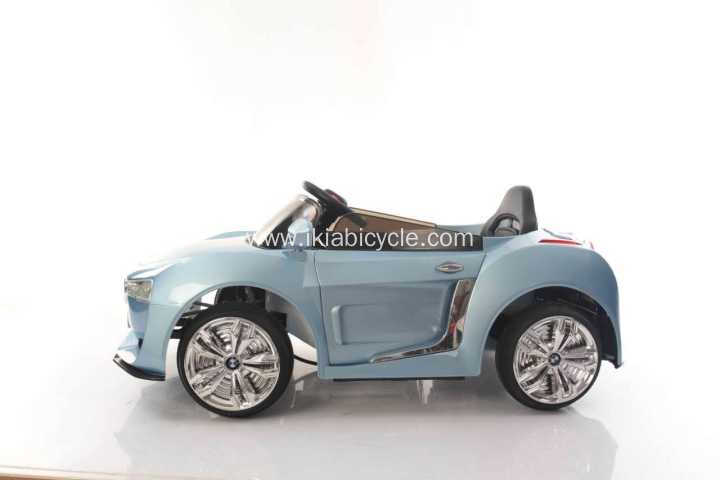
- Home driveways and parks (parents favor the remote-first learning phase).
- Mall play zones and rental kiosks—fleet operators like quick-swap batteries.
- Daycares and birthday venues; branding the e-car gets attention.
Customization options
Colorways, wheel types (EVA foam vs. plastic), spring suspension, seat upholstery, music/BT module, LED package, motor wattage, and battery capacity. OEM logo, carton art, and bilingual manuals are common asks. I guess the most popular combo lately is dual 35 W motors + Li-ion pack.
Vendor comparison (what buyers compare, quietly)
| Vendor |
Customization depth |
Compliance |
Lead time (≈) |
After‑sales |
| Ikia Tanda (Hebei) |
High: colors, motors, packs, branding |
EN71, ASTM F963, EN IEC 62115, UN38.3 |
30–45 days |
Spare parts kits, tech docs |
| Generic marketplace seller |
Low: fixed SKUs |
Varies; check reports carefully |
Ready stock |
Limited |
| Local importer |
Medium: color/logo |
Often region-certified |
Fast if in stock |
Local warranty |
Mini case studies and feedback
A coastal mall operator added a fleet of 12 and saw dwell time rise ≈18% month‑over‑month; the remote override was the clincher for safety. A daycare chain in the Midwest reported fewer “jerk starts” with the soft‑start controller—parents felt more at ease. Many customers say the e-car feels sturdier than they expected at this price band.
Final take
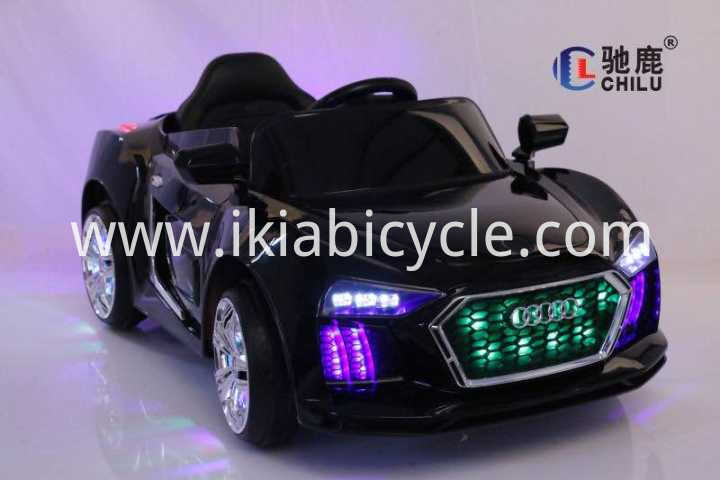
If you’re shortlisting a parent-steerable ride‑on, this e-car checks the big boxes: compliant build, honest run time, and enough customization to keep a brand line fresh. Just verify test reports align with your import market and, ideally, spec a smart charger. Small detail, big difference.
Authoritative references
- EN 71-1/2/3 Safety of Toys. https://ec.europa.eu/growth/sectors/toys/safety
- ASTM F963 Standard Consumer Safety Specification for Toy Safety. https://www.astm.org/f0963-23.html
- EN IEC 62115 Safety of Electric Toys. https://webstore.iec.ch/publication/69050
- UN38.3 Recommendations on the Transport of Dangerous Goods (Lithium Batteries). https://unece.org/transport/standards/transport-dangerous-goods
- FCC Part 15 – Radio Frequency Devices (2.4 GHz remotes). https://www.fcc.gov/general/rules-regulations-title-47
- ISO 9001 Quality Management Systems. https://www.iso.org/iso-9001-quality-management.html